In the rapidly evolving landscape of industrial automation and precision measurement, laser sensor modules have become indispensable components. These devices, which utilize laser technology for tasks such as distance measurement, object detection, and quality inspection, are critical for enhancing efficiency, accuracy, and reliability in manufacturing, robotics, and logistics. Selecting the right manufacturer is paramount, as it directly impacts product performance, durability, and integration capabilities. This article explores leading laser sensor module manufacturers, highlighting their technological innovations, product portfolios, and industry applications to guide professionals in making informed procurement decisions.
One of the foremost names in this sector is Keyence Corporation. Renowned for its high-precision sensors and visionary R&D, Keyence offers a comprehensive range of laser displacement sensors, confocal sensors, and area sensors. Their products are celebrated for exceptional accuracy, often achieving sub-micron resolution, and robust designs suitable for harsh industrial environments. Keyence’s strength lies in its user-friendly interface and seamless integration with automation systems, making it a preferred choice for automotive, electronics, and semiconductor industries. The company’s continuous innovation in areas like ultra-high-speed measurement and multi-point sensing sets a benchmark in the market.
Another key player is SICK AG, a German-based sensor specialist with a global footprint. SICK’s laser sensor modules are engineered for versatility and reliability, covering applications from simple presence detection to complex 3D profiling. Their product lines include time-of-flight sensors, triangulation sensors, and laser scanners, all designed with a focus on industrial IoT connectivity and data analytics. SICK sensors are widely adopted in material handling, packaging, and safety systems, where their durability and compliance with international standards ensure optimal performance. The company’s commitment to sustainability and custom solutions further enhances its appeal to diverse sectors.
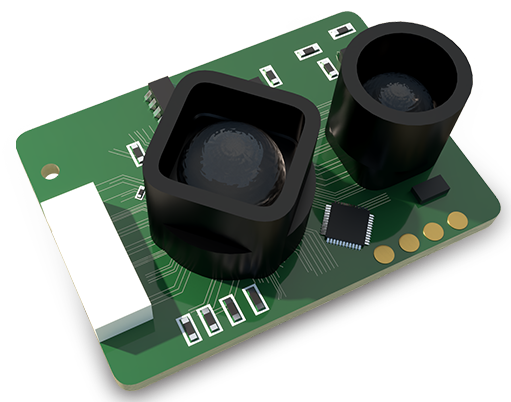
Omron Corporation also stands out with its innovative approach to laser sensing technology. Omron’s modules integrate advanced features such as background suppression, noise reduction, and Ethernet-based communication protocols. Their sensors are particularly effective in challenging conditions, including detecting transparent or low-reflectivity objects, which is crucial in pharmaceutical and food processing industries. Omron emphasizes smart manufacturing, offering sensors that support predictive maintenance and real-time monitoring, thereby reducing downtime and operational costs. Their global support network and extensive application expertise make them a reliable partner for complex automation projects.
For those seeking cutting-edge performance in compact designs, Panasonic Industry Europe GmbH (formerly Panasonic Electric Works) is a notable contender. Panasonic’s laser sensor modules are known for their miniaturization and energy efficiency, without compromising on precision. Products like their laser displacement sensors offer high-speed response and stable measurements, ideal for robotics and assembly lines. The company’s focus on eco-friendly manufacturing and long product lifecycles aligns with modern industrial trends toward sustainability. Panasonic’s strong R&D investments ensure continuous advancements in laser technology, catering to emerging needs in sectors like renewable energy and smart infrastructure.
In the realm of specialized applications, Banner Engineering Corp. excels with its rugged and cost-effective laser sensors. Banner’s portfolio includes ultra-thin sensors for tight spaces, high-temperature models for extreme environments, and intuitive configurable devices. Their sensors are popular in logistics for barcode reading and in automotive for alignment tasks, thanks to easy setup and reliable performance. Banner’s emphasis on customer-centric design and comprehensive technical support simplifies integration, making it a go-to for small to medium enterprises seeking value without sacrificing quality.
When evaluating manufacturers, several factors should be considered. Technical specifications like measurement range, resolution, response time, and environmental ratings (IP, NEMA) are critical. Compatibility with existing control systems (e.g., PLCs, IoT platforms) and communication protocols (EtherNet/IP, PROFINET, IO-Link) ensures smooth operation. Additionally, after-sales service, warranty terms, and availability of customization options can significantly influence long-term satisfaction. Industry trends indicate a growing demand for sensors with AI capabilities, enhanced connectivity for Industry 4.0, and miniaturization for portable devices, prompting manufacturers to innovate continuously.
In conclusion, the choice of a laser sensor module manufacturer hinges on specific application requirements, budget constraints, and future scalability. Leaders like Keyence, SICK, Omron, Panasonic, and Banner each offer unique strengths, from unparalleled precision to robust versatility. By assessing their offerings against operational needs, engineers and procurement specialists can optimize their automation systems, driving productivity and innovation in an increasingly competitive industrial landscape. As technology advances, partnering with a forward-thinking manufacturer will be key to leveraging the full potential of laser sensing solutions.