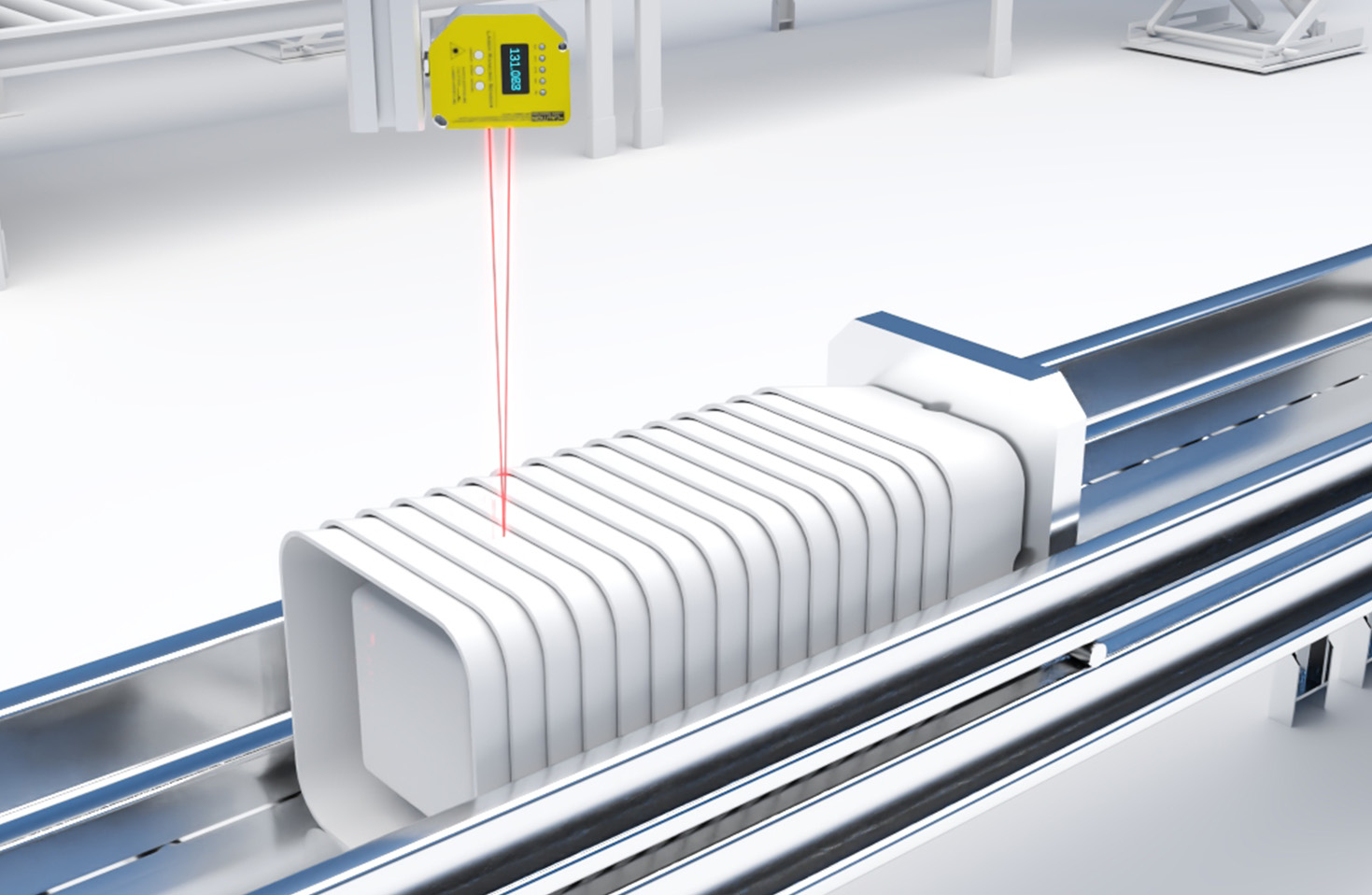
Laser sensors are critical components in modern industrial automation, offering high precision, non-contact measurement, and reliability in diverse environments such as manufacturing, robotics, and quality control. Proper adjustment of these sensors is essential to ensure accurate detection, stable operation, and longevity. This guide outlines systematic methods for adjusting laser sensors, covering key parameters, calibration techniques, and troubleshooting tips, tailored for engineers and technicians in the electrical and automation fields.
First, understand the basic working principle of laser sensors. They emit a focused laser beam toward a target; the reflected light is captured by a receiver, and the sensor processes this signal to determine distance, presence, or other characteristics. Common types include diffuse reflective, retro-reflective, and through-beam sensors, each requiring specific adjustment approaches. Before adjustment, always refer to the manufacturer’s datasheet for specifications like sensing range, response time, and environmental ratings (e.g., IP protection). Ensure the sensor is correctly installed, with secure mounting and alignment to avoid mechanical vibrations or misplacement that could affect readings.
Start adjustment by setting the sensing distance. Use the target object (the actual material or item to be detected) to fine-tune this parameter. For distance-measuring sensors, position the target within the specified range and adjust the sensitivity or threshold settings via the sensor’s potentiometer or digital interface. Many modern laser sensors feature teach-in functions: press a button or send a command to store the current distance as a reference point. Avoid setting the distance too close to the minimum or maximum limits, as this may reduce accuracy; aim for the mid-range where performance is most stable.

Next, optimize sensitivity to prevent false triggers. Sensitivity controls how the sensor responds to the reflected light intensity. If set too high, the sensor might detect background objects or ambient light interference; if too low, it could miss the target. Adjust sensitivity gradually while testing with the target in real operating conditions. For example, in a packaging line, move the target through the sensor’s field to ensure consistent detection without erratic signals. Use shielding or filters if environmental factors like dust or bright lights are present, as these can necessitate sensitivity recalibration.
Alignment is crucial, especially for through-beam sensors with separate emitter and receiver units. Misalignment leads to signal loss or intermittent operation. Align the emitter and receiver by visually checking the laser spot (using alignment tools if provided) and adjusting until the receiver indicates a strong signal, often via an LED indicator. For diffuse sensors, ensure the laser beam is perpendicular to the target surface to maximize reflection. After alignment, secure all mounting screws and test the sensor with movement or vibration to verify stability.
Calibration enhances long-term accuracy. Periodically calibrate laser sensors using certified reference targets or calibration fixtures. This involves comparing sensor readings to known standards and adjusting offsets if deviations occur. For instance, in precision measurement applications, recalibrate after installation, environmental changes, or extended use. Document calibration dates and results for maintenance records. Additionally, leverage built-in diagnostics: many sensors output status signals or error codes via IO-Link or other protocols, helping identify issues like contamination or drift.
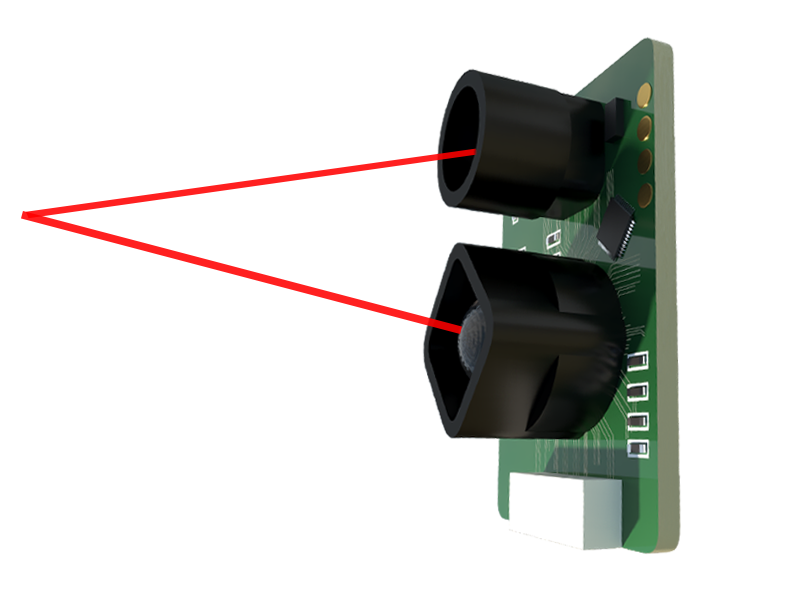
Troubleshoot common problems systematically. If a sensor fails to detect, check power supply voltage, wiring connections, and output configuration (e.g., NPN vs. PNP). Inspect the lens for dirt or damage, cleaning it with a soft cloth if needed. For erratic behavior, review environmental factors—temperature extremes, humidity, or electromagnetic interference can affect performance. Consult the manufacturer’s guidelines for specific error resolutions. Regular maintenance, including visual inspections and functional tests, prevents unexpected downtime.
In summary, adjusting laser sensors involves a methodical approach: install correctly, set distance and sensitivity appropriately, align precisely, calibrate regularly, and troubleshoot proactively. By following these steps, engineers can optimize sensor performance, ensuring reliable operation in demanding industrial settings. As technology advances, features like auto-calibration and smart networking are simplifying adjustments, but fundamental principles remain vital for success.