In the rapidly evolving fields of robotics, automation, and smart systems, the ability to perceive and navigate environments safely is paramount. Laser obstacle avoidance sensors have emerged as a critical technology enabling this capability. Unlike simpler infrared or ultrasonic sensors, these devices utilize laser beams to achieve high-precision, reliable detection of objects in their path, forming the "eyes" of autonomous systems.
The core principle behind a laser obstacle avoidance sensor is Light Detection and Ranging (LiDAR) or structured light technology. In a typical time-of-flight (ToF) LiDAR system, the sensor emits short pulses of laser light. These pulses travel through the air, strike an object, and reflect back to a photodetector within the sensor. A high-speed processor calculates the distance to the object by measuring the precise time interval between the emission and reception of the pulse, using the constant speed of light. This process occurs millions of times per second, generating a detailed point cloud map of the surrounding environment. Structured light systems project a known pattern of laser dots onto a scene; a camera then observes the deformation of this pattern to calculate depth and distance.
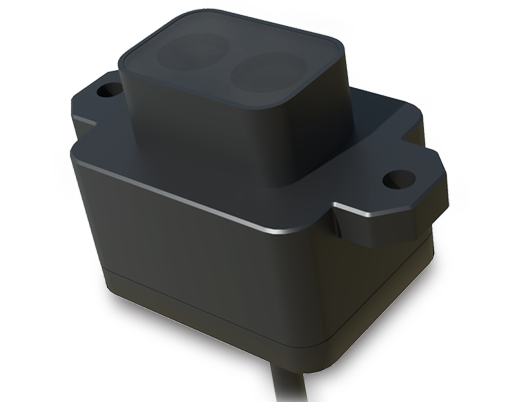
This methodology offers distinct advantages. The primary benefit is exceptional accuracy and resolution. Laser sensors can detect objects with centimeter or even millimeter precision at ranges that often extend from a few centimeters to several hundred meters, depending on the model. They are largely unaffected by ambient light conditions, dust, or air currents that commonly plague other sensing methods. Furthermore, the narrow beam of a laser allows for precise directional sensing, reducing false triggers from peripheral or background objects.
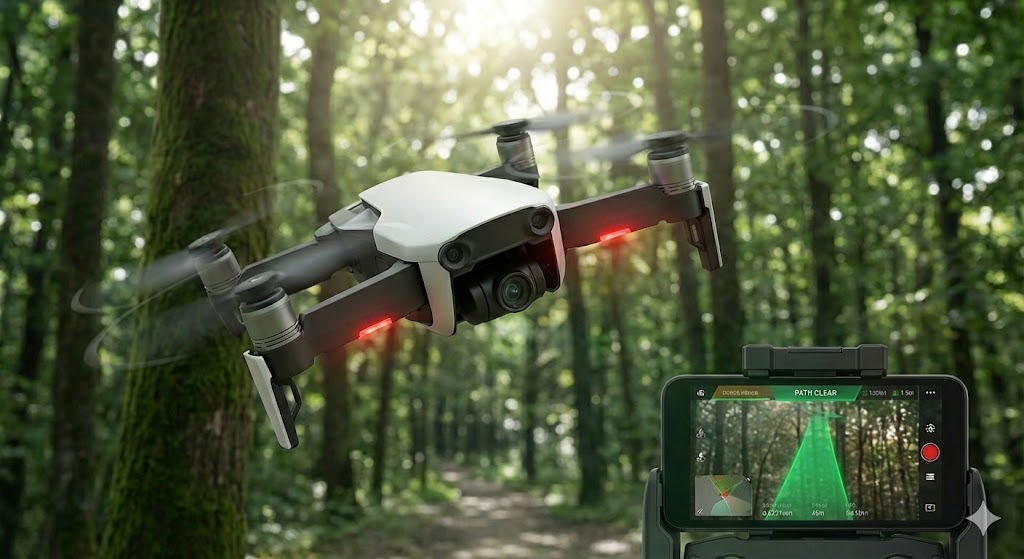
The applications of laser obstacle avoidance sensors are vast and growing. In industrial automation, they are indispensable for guided vehicles (AGVs and AMRs), ensuring collision-free navigation in dynamic warehouses and factories. Robotic vacuum cleaners and lawn mowers rely on them to map rooms and gardens while avoiding furniture and pets. In the automotive sector, they are a foundational component of Advanced Driver-Assistance Systems (ADAS), enabling features like adaptive cruise control and emergency braking. Drones use these sensors for stable flight, landing, and obstacle detection during autonomous missions. Beyond mobility, they secure perimeters, monitor inventory levels, and enable interactive displays.
Selecting the right laser obstacle avoidance sensor requires careful consideration of several key parameters. The required detection range and field of view are the starting points. A warehouse robot may need a 270-degree view with a 10-meter range, while a conveyor belt application might only need a narrow beam for a 2-meter check. Accuracy and scanning frequency are crucial for high-speed applications; a faster update rate provides more real-time data for quick decision-making. The environmental rating (IP code) is vital for use outdoors or in dirty, wet conditions. Output interfaces (digital, analog, Ethernet, CAN bus) must be compatible with the host controller. Finally, the physical size, power consumption, and cost must align with the project's constraints.
While powerful, these sensors have limitations. They can struggle with highly reflective or light-absorbing (black) surfaces, which may scatter or absorb too much laser light. Performance can degrade in heavy rain, fog, or snow, as particles scatter the laser beams. Transparent objects like glass windows can sometimes be invisible to certain types of laser sensors. Therefore, in complex real-world scenarios, sensor fusion—combining laser data with inputs from cameras, radars, and ultrasonics—is often employed to create a robust and comprehensive perception system.
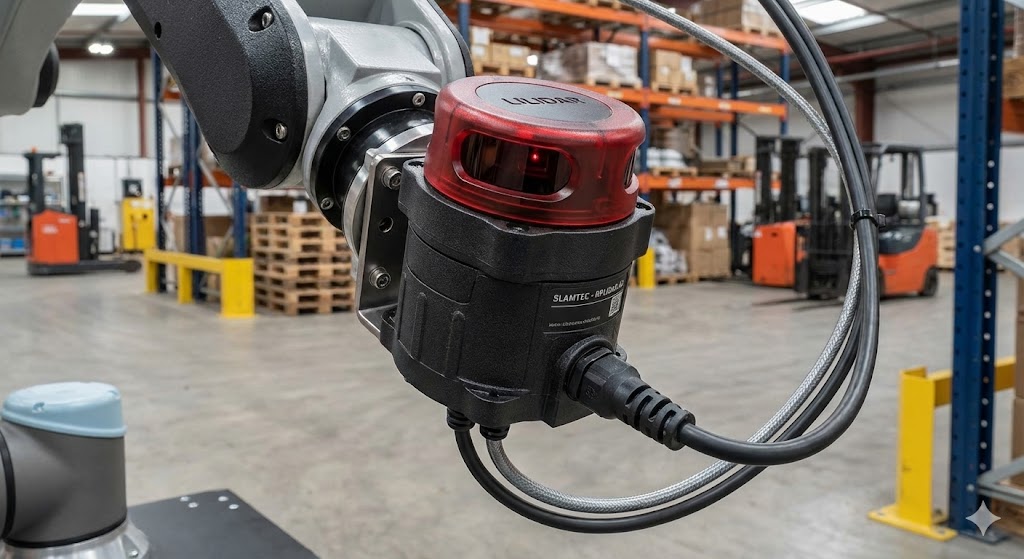
Installation and calibration are critical for optimal performance. The sensor must be mounted securely to minimize vibration, which can distort measurements. The mounting height and angle should be chosen to cover the desired detection zone effectively. Regular cleaning of the lens is necessary to prevent dirt from attenuating the laser signal. Most modern sensors come with software for configuring detection zones, sensitivity, and output logic, allowing engineers to tailor them to specific tasks.
The future of laser obstacle avoidance sensing is geared towards higher performance, smaller size, and lower cost. Solid-state LiDAR, which has no moving parts, promises greater reliability and compactness for mass-market applications like consumer robots and vehicles. Advances in signal processing and AI are enabling sensors not only to detect distance but also to classify objects—distinguishing between a person, a wall, and a piece of furniture. As costs continue to fall, these sophisticated sensors will proliferate into new domains, from smart home appliances to advanced prosthetics, making intelligent, autonomous interaction with our world the norm.
In conclusion, laser obstacle avoidance sensors are a transformative technology that provides the precise, reliable spatial awareness essential for autonomy. By understanding their operating principles, strengths, and selection criteria, engineers and developers can effectively integrate these powerful tools to build smarter, safer, and more efficient automated systems.