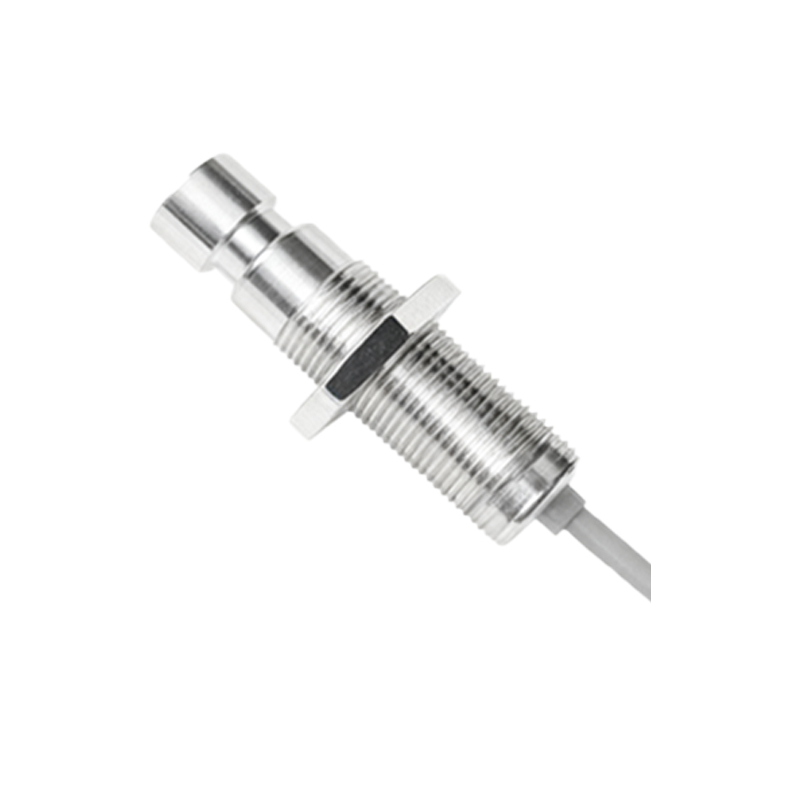
Proximity sensors are integral components in modern automation, consumer electronics, and industrial safety systems. Among the various performance validation protocols, BC testing stands as a critical procedure to ensure sensor reliability and accuracy. This guide delves into the specifics of proximity sensor BC testing, outlining its purpose, methodology, and significance in product development and quality assurance.
The term "BC" in this context typically refers to a specific test condition or performance benchmark, often related to the sensor's operational characteristics under defined parameters. For proximity sensors, BC testing fundamentally evaluates the sensor's response to a target at a specified distance, often the "Benchmark Condition" or a critical threshold point in its sensing range. The primary objective is to verify that the sensor consistently detects or misses a target as per its datasheet specifications, ensuring predictable behavior in real-world applications.
A standard BC test setup involves precise mechanical fixtures, calibrated reference targets, and controlled environmental conditions. The sensor under test is mounted in a fixed position. A target, whose material, size, and surface properties are strictly defined (often a standard iron or aluminum plate), is then moved towards the sensor's sensing face along its central axis using a high-precision actuator or linear stage. The critical measurement is the point at which the sensor's output switches state—from "OFF" to "ON" for a detecting sensor, or the reverse. This point is the actual sensing distance. The BC test validates that this measured distance falls within the tolerance range specified for the sensor's nominal sensing distance under the "BC" condition, which might account for factors like supply voltage, ambient temperature, or target material.
The testing process is highly repetitive and statistical. A single sensor may undergo hundreds or thousands of actuation cycles at the BC point to assess its repeatability and hysteresis. Hysteresis, the difference between the switch-on point and the switch-off point as the target moves away, is a key parameter evaluated during BC testing. A stable and minimal hysteresis is indicative of a high-quality, reliable sensor. Data on the mean sensing distance, standard deviation, and maximum/minimum values are collected to provide a complete picture of performance dispersion.
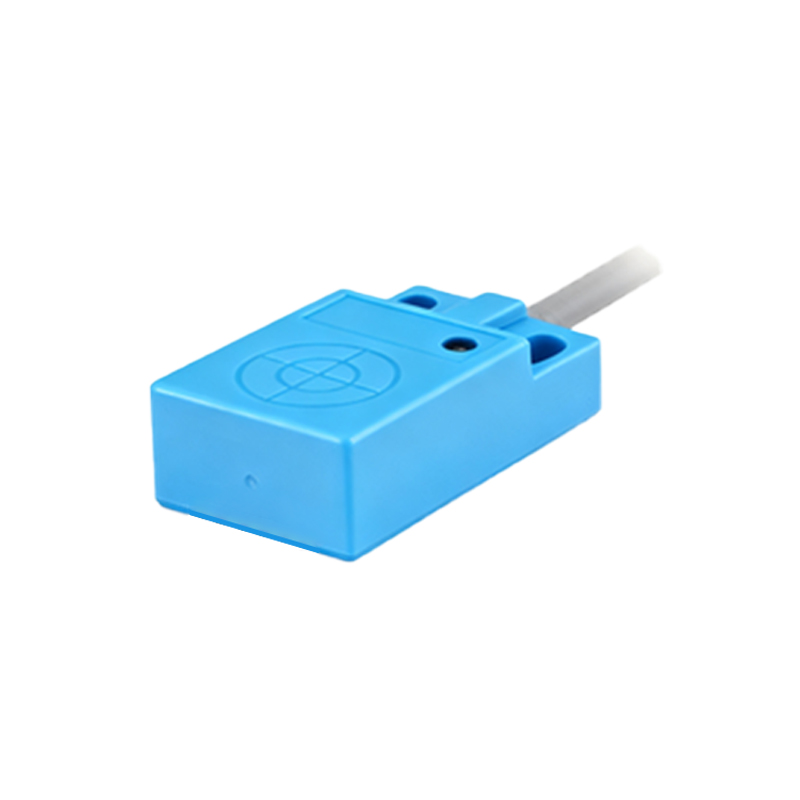
Environmental stress tests are frequently integrated into BC testing protocols. The sensor may be subjected to high and low-temperature extremes while performing BC distance measurements. This determines the temperature drift—the change in sensing distance relative to its value at room temperature. Similarly, tests may be conducted at the upper and lower limits of the sensor's rated supply voltage to evaluate voltage stability. A robust sensor will exhibit minimal deviation in its BC point under these varying conditions.
Why is BC testing so crucial? First, it is a direct measure of functional safety. In applications like automated machinery guards or robotic collaborative workspaces, a failure to detect presence at the guaranteed distance can lead to serious accidents. Second, it ensures interoperability and system performance. In complex assembly lines, multiple sensors must behave predictably; a sensor with an out-of-spec BC point can cause timing errors, jams, or product defects. For consumer devices like smartphones that use proximity sensors to disable touchscreens during calls, an inaccurate BC point leads to user frustration and malfunction.
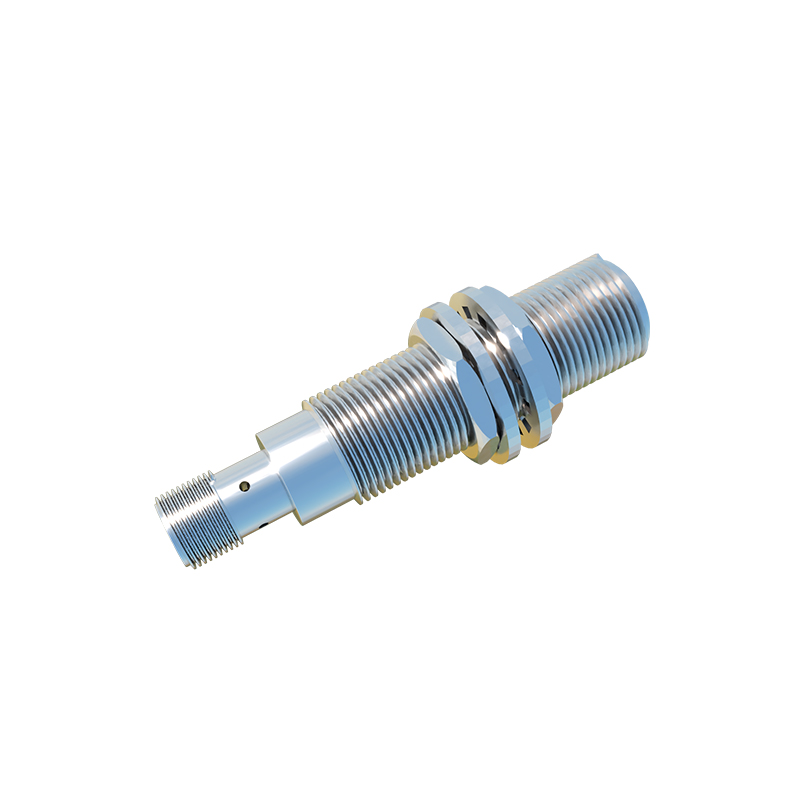
From a manufacturing and quality control perspective, BC testing serves as a pass/fail gate. It is often implemented as part of end-of-line testing, where every unit is quickly verified against the BC benchmark before shipment. This 100% testing approach screens out units with marginal performance due to component variances or assembly issues, significantly reducing field failure rates and warranty claims.
In conclusion, proximity sensor BC testing is not merely a technical checkbox but a fundamental practice that bridges design intent with real-world reliability. It provides quantifiable, repeatable evidence that a sensor will perform its intended function consistently under specified conditions. For engineers designing systems, it offers confidence in component selection. For quality managers, it delivers an objective standard for acceptance. As proximity sensing technology advances into new realms with tighter tolerances and smarter functionalities, the role of rigorous, well-defined BC testing will only grow in importance, ensuring that these unseen but vital components continue to operate flawlessly in the background of our automated world.