In the world of industrial automation and electrical engineering, proximity sensors are ubiquitous. These non-contact devices are critical for detecting the presence or absence of an object, ensuring safety, precision, and efficiency in countless applications. However, the small label on the sensor's housing can be a dense source of vital information. Misinterpreting it can lead to incorrect selection, faulty installation, or operational failures. This guide provides a systematic approach to deciphering proximity sensor labels, empowering engineers and technicians to make informed decisions.
The first and most prominent element on any proximity sensor label is the Manufacturer and Part Number. This is your primary key to the device's identity. The part number is not arbitrary; it is a coded string that often reveals the sensor's fundamental family, series, and key characteristics. Always refer to the manufacturer's official datasheet using this exact part number. Never assume compatibility based on physical appearance alone. The part number is the definitive reference for all technical specifications.
Next, locate the Sensing Specifications. This section is the heart of the sensor's operational data.
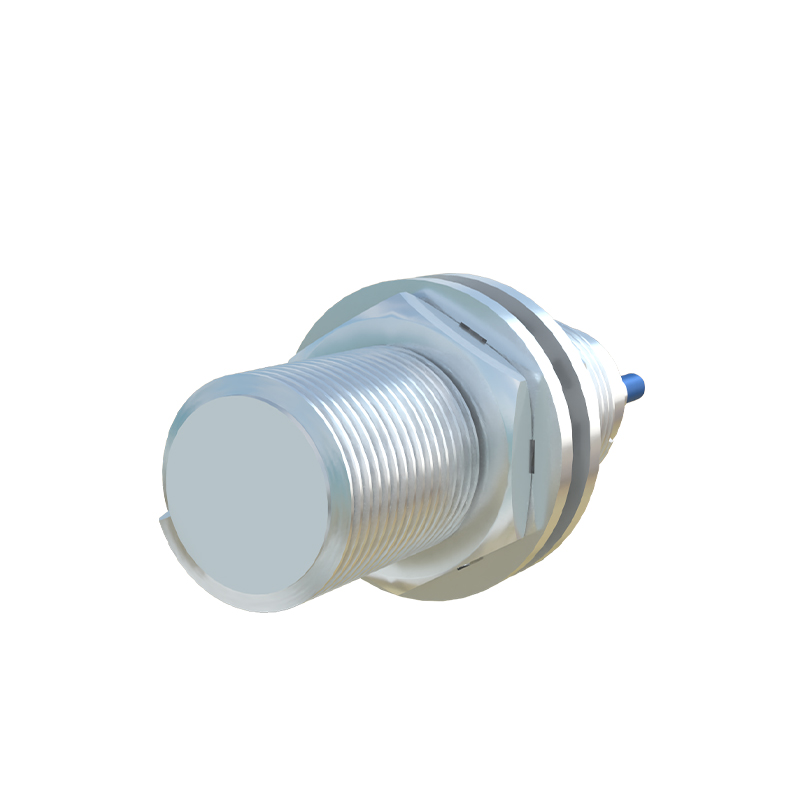
Sensing Distance (Sn): This is typically the rated operating distance, often marked as "Sn: 5mm" or "8mm." It indicates the nominal distance at which the sensor is guaranteed to detect a standard target. Remember, this is under ideal conditions (standard target material, size, and temperature). Factors like target material (steel, aluminum, brass) can significantly affect the actual sensing range, a detail usually outlined in accompanying tables on the datasheet.
Type of Detection: The label will specify the detection principle. Look for abbreviations like IN (Inductive) for metal detection, CA (Capacitive) for detecting liquids, powders, or non-metals, and OP (Optical) which includes through-beam, retro-reflective, and diffuse models. Ultrasonic sensors may be marked with "US." This is a critical differentiator.
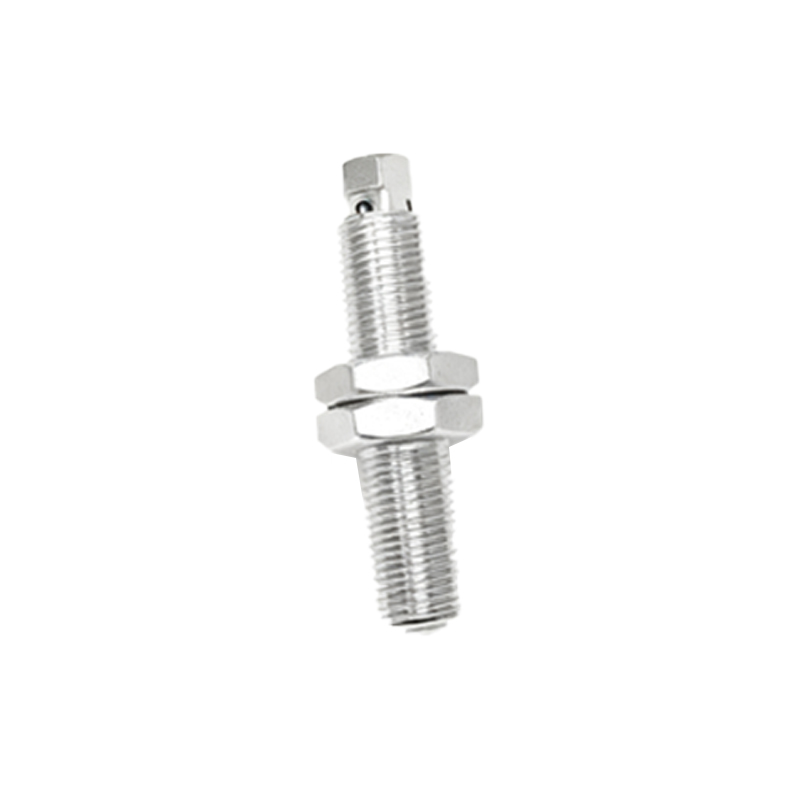
Output Configuration: This defines the electrical switching behavior. Key symbols to identify are:
PNP (or sourcing): Often represented by a diagram showing the load connected between the output wire and the negative (0V) supply. The label may state "PNP NO."
NPN (or sinking): Represented by the load connected between the positive supply and the output wire. The label may state "NPN NC."
NO (Normally Open) / NC (Normally Closed): Describes the circuit state when no target is present. NO means the output circuit is open (off); NC means it is closed (on).
Immediately adjacent to the output information, you will find the Electrical Ratings. This data is non-negotiable for safe and reliable circuit integration.
Operating Voltage Range: Expressed as "10-30 V DC" or similar. Operating outside this range can damage the sensor.
Output Current (Max.): Indicated as "Imax: 200mA" or "Load current: 100mA." This is the maximum current the sensor's switching element (usually a transistor) can handle. Exceeding this will destroy the output stage.
Voltage Drop / Residual Current: For DC sensors, this is the voltage lost across the sensor when "on" (e.g., "Udrop:<2V") or the small leakage current when "off" (e.g., "Ires:<10µA"). This is crucial for designing interfaces with PLCs or sensitive controllers.
The label also contains essential Physical and Environmental Data.
Housing Material: Often abbreviated, e.g., "Brass, Ni-plated" or "PBT." This informs you about chemical resistance, mechanical strength, and suitability for washdown environments.
Protection Rating: The IP (Ingress Protection) code is mandatory. "IP67" is common, indicating dust-tight and protection against temporary immersion. "IP69K" signifies protection against high-pressure, high-temperature washdowns. For hazardous locations, look for ATEX, IECEx, or UL markings with specific class/division/zone codes.
Connection Type: This could be indicated by a cable gland size (e.g., "M12"), a pre-wired cable length and type (e.g., "2m, PUR"), or a quick-disconnect style (e.g., "M12 4-pin connector").
Temperature Range: Stated as "Ta: -25...70°C" for ambient operating temperature and "Ts: -40...85°C" for storage temperature.
Finally, do not overlook Certification Marks and Special Symbols. These