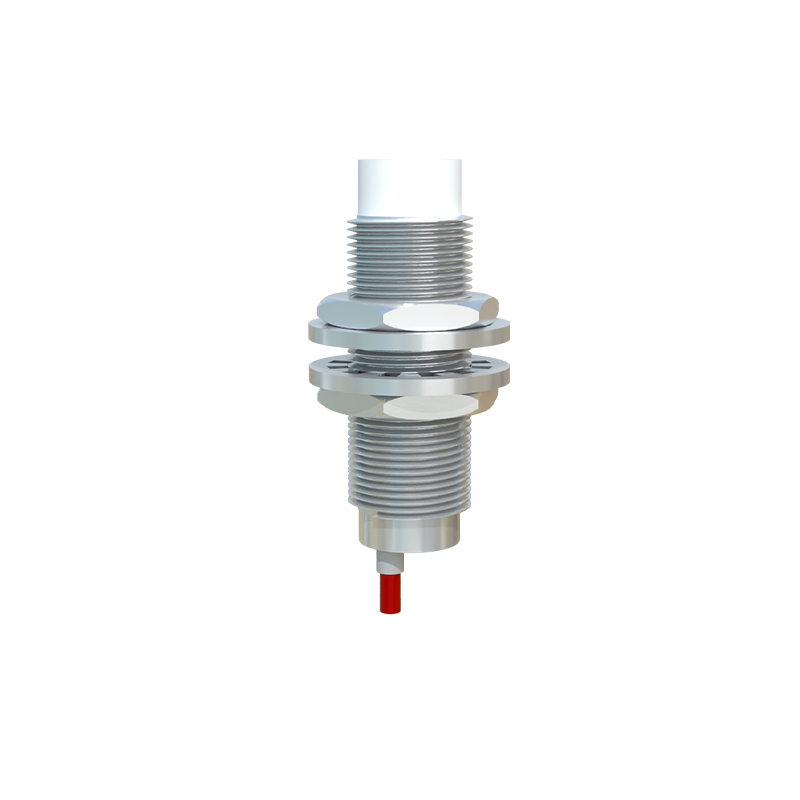
In the realm of industrial automation and machine safety, proximity sensors are indispensable components. Among the various types, long-range models capable of detecting objects or personnel at distances of one meter or more are particularly crucial for creating safe perimeters and enabling non-contact control. A common and practical question from engineers during system design and installation is: "How much does a 1-meter range proximity sensor weigh?" The answer is not a single figure but a range influenced by several key factors, typically falling between 150 grams and 500 grams (approximately 0.33 to 1.1 lbs).
The primary determinant of a sensor's weight is its underlying technology. For a 1-meter detection range, inductive, capacitive, and ultrasonic sensors are common, but photoelectric sensors (especially through-beam and retro-reflective types) are often the go-to choice for this specific distance. An inductive proximity sensor rated for 1 meter, designed to detect large metal objects, will be substantially heavier due to the robust metal housing and larger coil assembly required. It might weigh between 400-500 grams. In contrast, a compact cylindrical photoelectric sensor with a 1-meter range, utilizing a focused infrared LED and phototransistor, can be remarkably lightweight, often in the 150-250 gram range. Ultrasonic sensors, which calculate distance based on sound wave echo time, require a transducer and associated circuitry, placing their weight in the middle, around 300-400 grams.
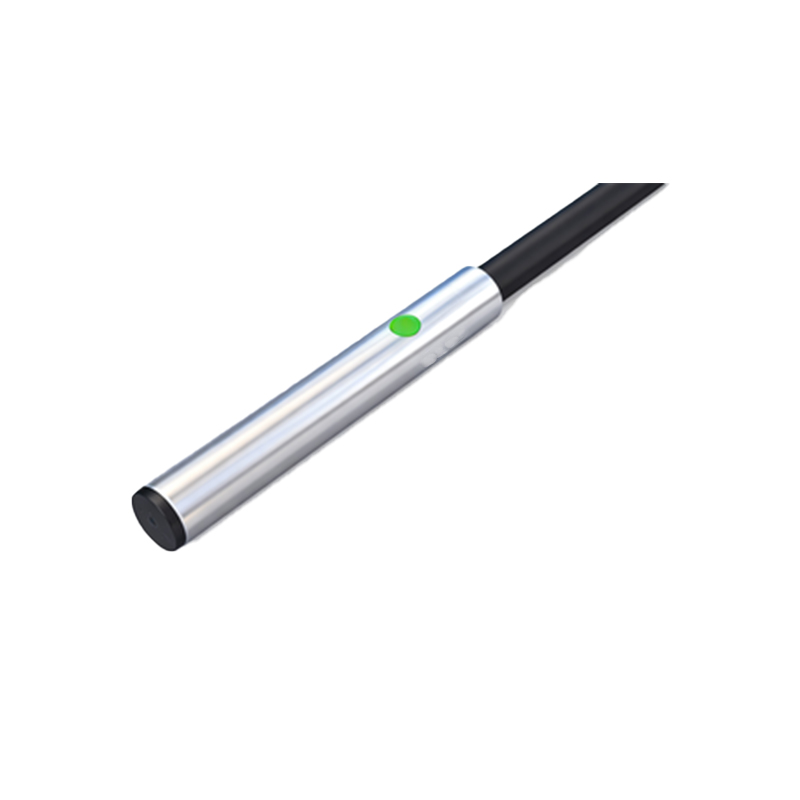
Housing material and construction play an equally significant role. Industrial-grade sensors demand high ingress protection (IP67, IP69K) and resistance to mechanical shock, chemicals, and temperature extremes. Sensors housed in rugged nickel-plated brass or stainless steel (V2A, V4A) will be heavier than those in engineered plastics like PBT or PVDF. A stainless-steel housing can easily add 100-150 grams compared to a plastic equivalent. Furthermore, the form factor matters. A slender, rectangular photoelectric sensor will weigh less than a large, cylindrical inductive block designed for the same range.
Integrated features also contribute to mass. A basic two-wire DC sensor is lighter than a three-wire or four-wire analog output model with advanced circuitry. Sensors incorporating programmable logic, IO-Link communication, or diagnostic LED indicators will have additional electronic components, slightly increasing weight. The connector type is another factor; a sensor with a built-in, robust M12 or M8 threaded connector adds more weight than one with a simple cable gland or flying leads.
Why does weight matter in application? For dynamic applications, such as on moving machine parts, robotic arms, or automated guided vehicles (AGVs), a lighter sensor reduces inertia and mechanical load, leading to better performance and longer component life. In static but complex installations involving sensor arrays or mounting on thin panels, cumulative weight and vibration resistance are critical considerations. During installation, the weight influences the choice of mounting bracket; a heavier sensor requires a more substantial bracket to ensure stability and maintain precise alignment, which is vital for consistent detection performance, especially for photoelectric types.
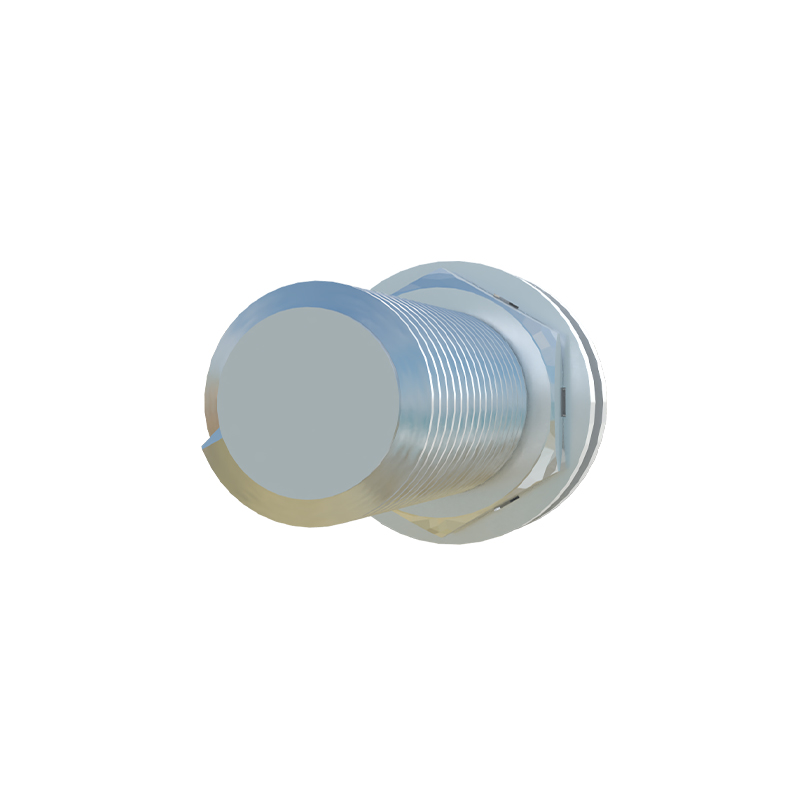
When selecting a 1-meter proximity sensor, engineers must balance weight with other paramount specifications: the required sensing technology for the target material, environmental durability (IP rating, temperature range), output configuration, and supply voltage. While weight is a logistical and mechanical factor, it should not compromise the core functional requirements. Always consult the manufacturer's detailed datasheet, where the exact weight, along with all technical parameters and dimensional drawings, is specified. Leading manufacturers like Sick, Omron, Pepperl+Fuchs, and Banner Engineering provide precise data for informed decision-making.
In summary, the mass of a 1-meter range proximity sensor is a direct reflection of its technology, robustness, and feature set. Understanding the engineering trade-offs between a lightweight plastic photoelectric sensor and a heavier stainless-steel inductive sensor is key to optimal system design, ensuring reliability, safety, and efficiency on the factory floor.