In industrial automation and precision measurement, laser sensors play a crucial role in ensuring accuracy, reliability, and efficiency. Proper adjustment of these sensors is fundamental to achieving their full potential. This guide outlines systematic methods for adjusting laser sensors, covering key principles, step-by-step procedures, and best practices tailored for engineers and technicians in the field.
Understanding the basic working principle of laser sensors is the first step. Typically, these sensors emit a laser beam towards a target; the reflected light is then captured by a receiver. Based on the time-of-flight, triangulation, or phase-shift method, the sensor calculates distance, position, or presence of an object. Incorrect adjustment can lead to measurement errors, false triggers, or even sensor damage. Therefore, always refer to the manufacturer’s datasheet for specific specifications such as sensing range, response time, and environmental tolerances.
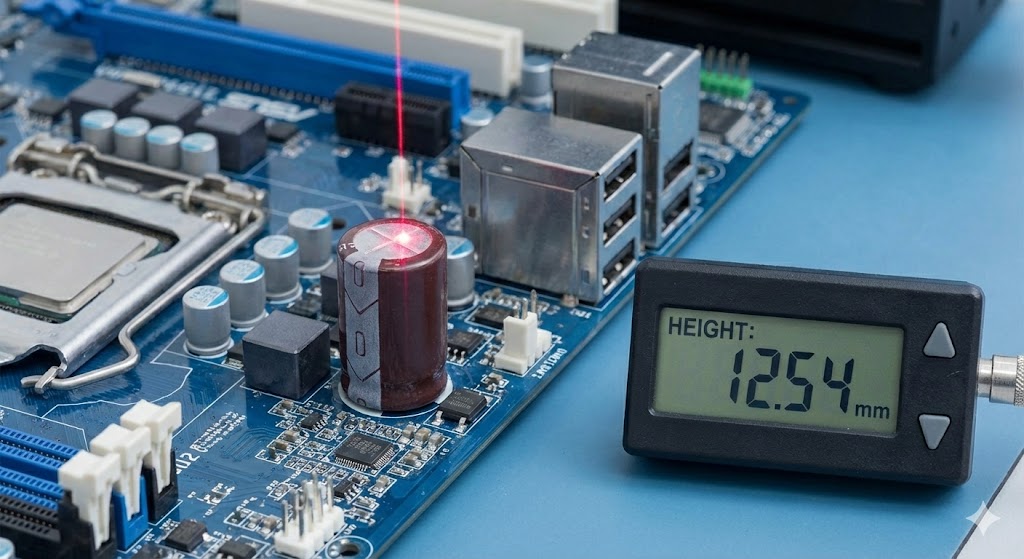
Before starting the adjustment process, ensure a safe working environment. Power off connected machinery and follow lockout-tagout (LOTO) procedures if applicable. Inspect the sensor for any physical damage or contamination on the lens, as dirt or scratches can significantly affect performance. Clean the lens gently with a soft, lint-free cloth and appropriate cleaning solution if needed.
The adjustment procedure generally involves the following steps:
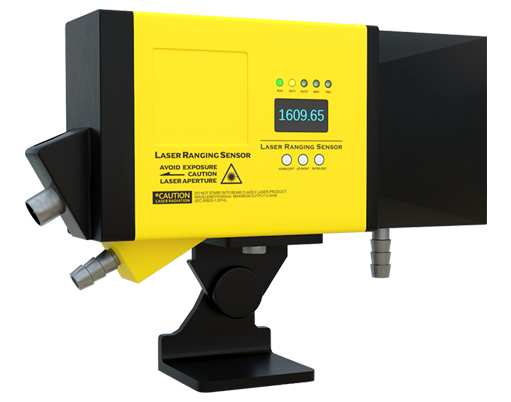
1. Mounting and Alignment: Securely mount the sensor on a stable platform using adjustable brackets. Align the laser beam perpendicular to the target surface to avoid angular errors. For diffuse reflection sensors, ensure the target is within the specified range and has adequate reflectivity. For through-beam sensors, align the emitter and receiver precisely opposite each other.
2. Power and Configuration: Connect the sensor to a stable power supply as per voltage requirements (e.g., 12-24V DC). Many modern laser sensors feature programmable settings via push-buttons, teach-in functions, or software interfaces. Access the configuration mode to set parameters such as sensing mode (e.g., background suppression, foreground suppression), output logic (PNP/NPN), and switching thresholds.
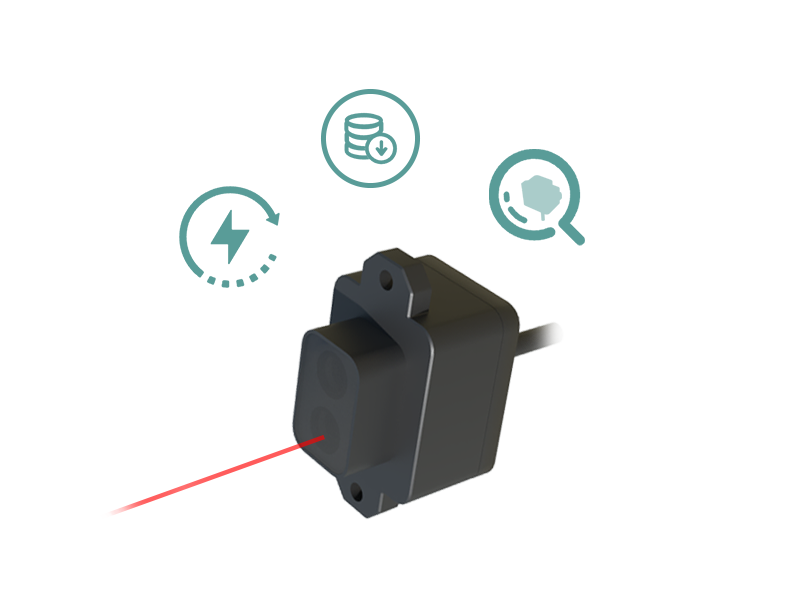
3. Distance Calibration: Use a calibration target or a known reference object to adjust the sensing distance. For analog sensors, fine-tune the gain and offset to match the desired output curve. For digital sensors, set the exact switching points by moving the target to the near and far limits and storing these positions. Ensure hysteresis settings are optimized to prevent chattering in dynamic environments.
4. Beam Spot Optimization: Focus the laser beam to the smallest possible spot size for high-resolution applications. Adjust the focus ring if available, or select the appropriate lens attachment. Verify the spot size using alignment cards or cameras designed for laser alignment.
5. Environmental Compensation: Account for ambient light, temperature fluctuations, and vibrations. Shield the sensor from direct sunlight or strong artificial light sources if necessary. In temperature-sensitive applications, allow the sensor to stabilize at operating temperature before final adjustment.
6. Testing and Validation: Perform rigorous testing with actual or simulated targets across the entire operating range. Check for repeatability, linearity, and response time. Use oscilloscopes or data loggers to monitor output signals under varying conditions. Document the settings for future reference.
Common challenges during adjustment include interference from reflective surfaces, material transparency, and beam divergence. For reflective targets, adjust the sensor angle to avoid specular reflection directly back into the receiver. For transparent objects, consider using polarized laser sensors or adjusting the sensitivity to detect minimal reflectance. Always verify the beam path is clear of obstructions.
Regular maintenance is essential for sustained performance. Periodically recheck alignment and calibration, especially after mechanical shocks or environmental changes. Keep firmware updated if the sensor supports software enhancements.
In summary, meticulous adjustment of laser sensors enhances system accuracy and longevity. By following standardized procedures and leveraging advanced features, engineers can ensure optimal sensor performance tailored to specific industrial applications, from robotics and packaging to quality control and safety systems.