In the realm of industrial automation and control systems, proximity sensors stand as silent sentinels, enabling seamless, efficient, and safe operations. These non-contact detection devices are fundamental components that sense the presence or absence of an object within a specific range without any physical contact. Their functions and significance permeate virtually every sector of modern manufacturing and beyond.
The primary function of a proximity sensor is to detect the presence of a target object. This seemingly simple task is the cornerstone of countless automated processes. For instance, on a high-speed assembly line, inductive proximity sensors reliably detect metallic components, signaling robotic arms to perform precise pick-and-place operations. Capacitive sensors, on the other hand, can detect non-metallic materials like plastic, wood, or liquids, making them indispensable in packaging, food processing, and chemical industries. This detection capability is crucial for part verification, ensuring the correct component is in place before a machining cycle begins, thereby preventing costly errors and machine damage.
Beyond mere presence detection, proximity sensors are pivotal for precise positioning and counting. In automated guided vehicles (AGVs) and CNC machinery, they provide accurate positional feedback, allowing for repeatable and high-precision movements. They count products on conveyor belts, monitor the rotation speed of shafts, and control the end limits of moving parts, replacing older, less reliable mechanical limit switches. This function directly contributes to productivity metrics and quality control.
One of the most critical significances of proximity sensors lies in enhancing operational safety. By creating invisible detection fields around hazardous areas, such as robotic work cells, press brakes, or revolving machinery, they can trigger emergency stops or prevent machine activation if an operator is too close. This non-contact nature is a key advantage over physical safety barriers or switches, offering a higher level of protection without impeding workflow. Safety-rated proximity sensors are engineered to fail-safe standards, making them integral to modern safety instrumented systems (SIS).
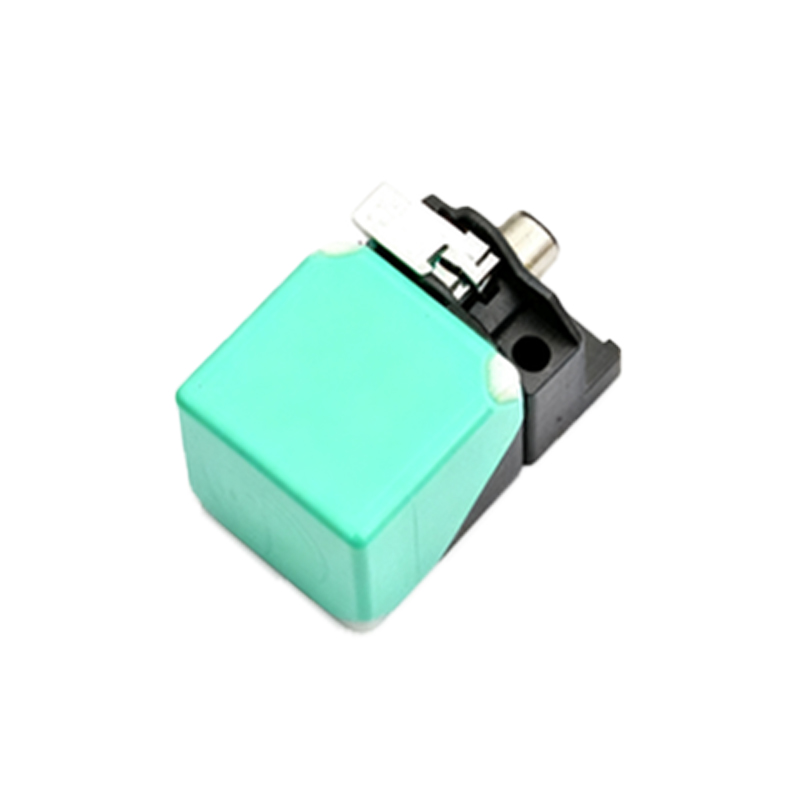
The significance of proximity sensors is further amplified by their role in enabling efficiency and predictive maintenance. By continuously monitoring machine conditions—such as detecting the position of a piston in a cylinder or the vibration of a bearing housing—they provide valuable data. This data feeds into Industrial Internet of Things (IIoT) platforms, allowing for real-time monitoring and analysis. Trends in sensor response can indicate wear and tear, enabling maintenance to be scheduled proactively before a catastrophic failure occurs, thus minimizing unplanned downtime and extending equipment life.
Furthermore, their robustness is a key attribute. Designed to withstand harsh industrial environments—including exposure to dust, moisture, oils, extreme temperatures, and electromagnetic interference—proximity sensors offer remarkable reliability. Their solid-state construction, with no moving parts to wear out, ensures long service life and reduces maintenance needs compared to mechanical switches. This durability translates directly into lower total cost of ownership and higher system availability.
The evolution of sensor technology has also led to increased intelligence and miniaturization. Modern IO-Link enabled proximity sensors can communicate detailed diagnostic information (like temperature, operating hours, or signal strength) back to the controller, far beyond a simple on/off signal. This facilitates advanced condition monitoring and simpler integration. Miniaturized sensors can be installed in space-constrained applications, expanding their utility in compact machinery and consumer electronics manufacturing.
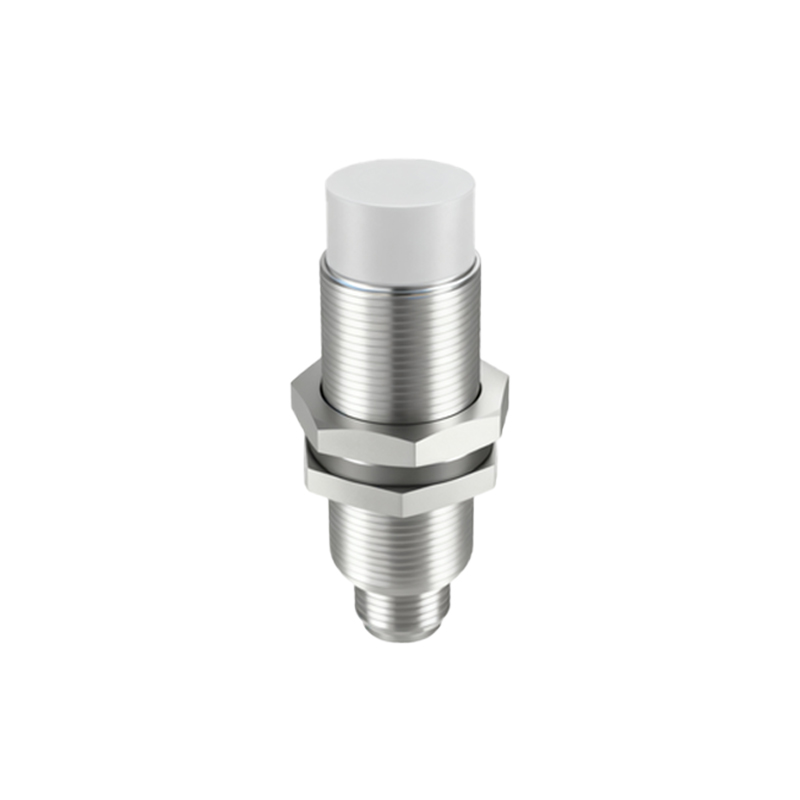
In conclusion, the functions of proximity sensors—detection, positioning, counting, and safety monitoring—form the sensory backbone of automated systems. Their significance is profound: they are enablers of precision, guardians of safety, drivers of efficiency, and providers of critical data in the age of smart manufacturing. From automotive plants to pharmaceutical cleanrooms, their non-contact, reliable operation is essential for achieving the high levels of productivity, quality, and safety demanded by contemporary industry. As automation and IIoT continue to advance, the role of the proximity sensor will only become more sophisticated and central to industrial innovation.