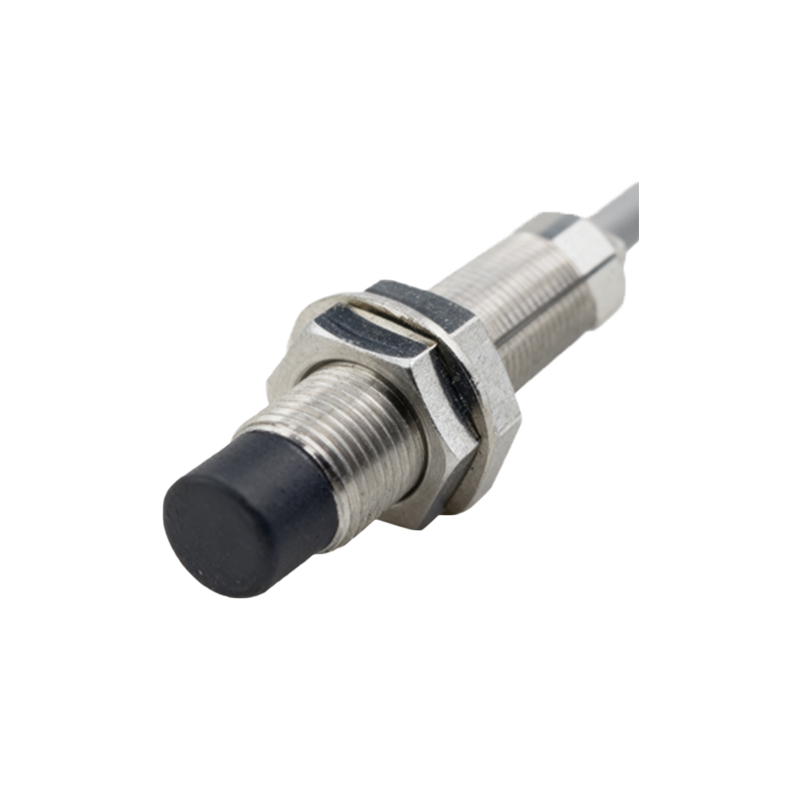
In the dynamic landscape of industrial automation, the ability to detect the presence, absence, or position of an object without physical contact is fundamental. Among the diverse array of sensing technologies, industrial circular proximity sensors stand out for their reliability, durability, and versatility. These robust devices are engineered to perform consistently in demanding environments, from automotive assembly lines to food processing plants and heavy machinery operations. This guide delves into the core principles, types, and critical considerations for selecting and applying these essential components.
At their core, most industrial circular proximity sensors operate on the principle of electromagnetic induction. A typical inductive proximity sensor generates a high-frequency oscillating electromagnetic field from its front face. When a metallic target enters this field, eddy currents are induced on the target's surface. This causes a change in the oscillation amplitude within the sensor, which is detected by an internal circuit, triggering a solid-state output switch. This non-contact detection method eliminates mechanical wear, ensuring a long operational life measured in millions of cycles. For detecting non-metallic objects, such as wood, plastic, or liquids, capacitive circular proximity sensors are employed. These sensors function by detecting changes in capacitance caused by the presence of any material that alters the dielectric constant near the sensor's active surface.
The physical form factor—circular—is a key to their widespread adoption. This cylindrical shape allows for easy installation in drilled holes with standard mounting nuts, providing a secure and flush fit. This design offers inherent robustness and protection for the sensing element. Common housing materials include nickel-plated brass, stainless steel (particularly for washdown or corrosive environments), and rugged plastics like PBT. The sensing distance, or nominal range, is a critical specification and varies by sensor model and target material. For inductive sensors, the standard target is typically mild steel of a defined size. It is crucial to note that the effective sensing range for other metals, like aluminum or copper, is often reduced and must be factored into the design.
Selecting the right circular proximity sensor requires a meticulous evaluation of several application parameters. First, the operating environment dictates the necessary ingress protection (IP) rating. A rating of IP67 is standard for resistance to dust and temporary immersion, while IP69K is required for high-pressure, high-temperature washdowns common in food and beverage industries. The temperature range of operation must also be compatible with the ambient conditions. Electrical characteristics are equally vital. Engineers must specify the required output type: NPN (sinking) or PNP (sourcing) transistor outputs, which are standard for programmable logic controller (PLC) interfaces, or sometimes a two-wire AC/DC analog output. The supply voltage (e.g., 10-30V DC, or 20-250V AC) must match the available control circuit power. Furthermore, considering factors like short-circuit protection, reverse polarity protection, and immunity to electrical noise (EMI/RFI) enhances system reliability.
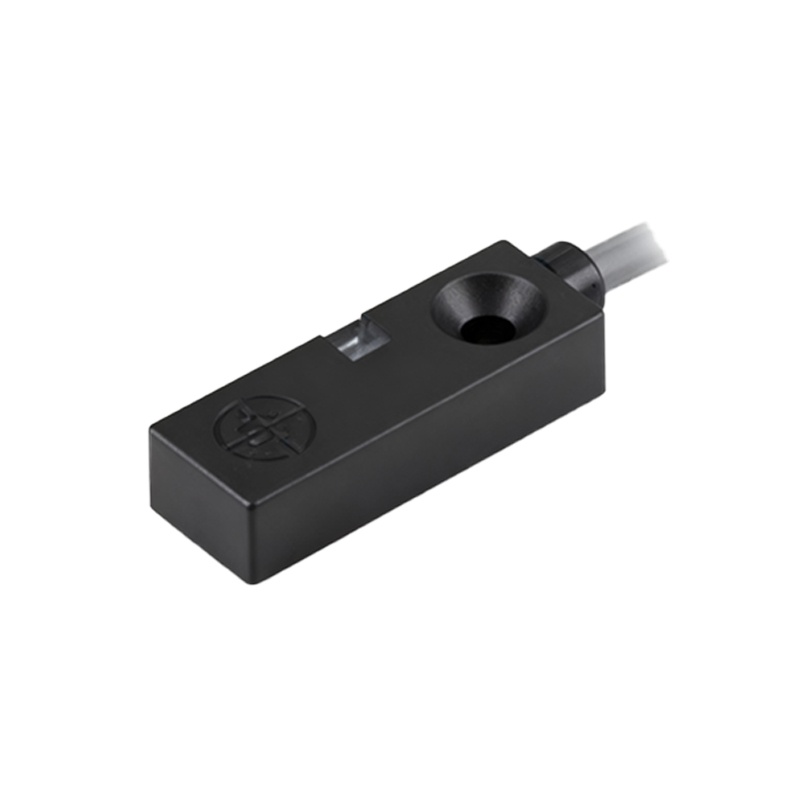
The applications for these sensors are virtually limitless within industrial settings. They are routinely used for precise part detection on conveyor systems, verifying the open or closed position of valves and clamps, counting products, monitoring rotational speed by detecting gear teeth, and ensuring proper positioning in robotic work cells. Their solid-state nature makes them ideal for high-speed counting tasks where mechanical limit switches would fail. In metal machining, they are used for tool breakage detection and workpiece positioning. The key to successful implementation lies in proper mounting, ensuring the correct sensing distance is maintained, and shielding the sensor from physical damage or interference from adjacent metal structures.
In conclusion, industrial circular proximity sensors are indispensable workhorses of modern manufacturing and process control. Their non-contact operation, rugged construction, and reliable performance under harsh conditions make them a preferred choice for engineers. A thorough understanding of their operating principles, coupled with a careful assessment of the target material, environmental challenges, and electrical requirements, is essential for optimal sensor selection. By integrating the correct sensor into the application, facilities can achieve higher levels of automation efficiency, machine safety, and overall operational uptime, forming a critical link in the chain of intelligent industrial systems.