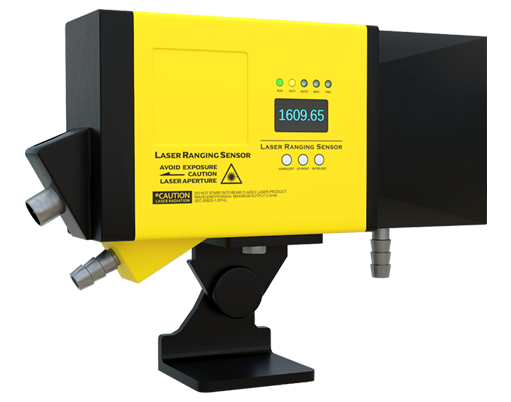
Laser power meter sensors are essential instruments in various fields, including industrial manufacturing, medical technology, research laboratories, and telecommunications. These devices measure the optical power output of laser sources, providing critical data for ensuring safety, optimizing performance, and maintaining quality control. Unlike simple photodetectors, laser power meters are designed to handle high-power beams, diverse wavelengths, and varying beam profiles with high accuracy and reliability.
The core component of a laser power meter is its sensor element, which converts incident light into an electrical signal. Common sensor types include thermal sensors, photodiode sensors, and pyroelectric sensors. Thermal sensors, such as thermopile or calorimeter-based designs, absorb laser energy and measure the resultant temperature rise. They are ideal for high-power lasers and broad wavelength ranges, offering excellent linearity and damage thresholds. Photodiode sensors, utilizing semiconductor materials like silicon or InGaAs, provide high sensitivity and fast response times, making them suitable for low-power and pulsed laser measurements. Pyroelectric sensors, which respond to changes in temperature, are often used for pulsed lasers due to their ability to measure energy per pulse accurately.
Key specifications to consider when selecting a laser power meter sensor include power range, wavelength compatibility, calibration accuracy, response time, and beam size accommodation. For instance, industrial laser cutting systems may require sensors capable of measuring kilowatt-level powers with robust cooling mechanisms, while biomedical laser applications might prioritize precision in the milliwatt range for delicate procedures. Calibration, typically traceable to national standards like NIST, ensures measurement integrity, with uncertainties often below 5%. Advanced models feature automated calibration adjustments, data logging, and software integration for real-time monitoring.
Applications of laser power meter sensors span multiple sectors. In manufacturing, they monitor laser welding, cutting, and additive processes to prevent defects and enhance efficiency. In medicine, they verify laser dosages in surgical and therapeutic equipment, safeguarding patient health. Research institutions rely on them for experimental setups in physics, chemistry, and material science, where precise power control is paramount. Additionally, telecommunications networks use these sensors to maintain signal integrity in fiber-optic systems.
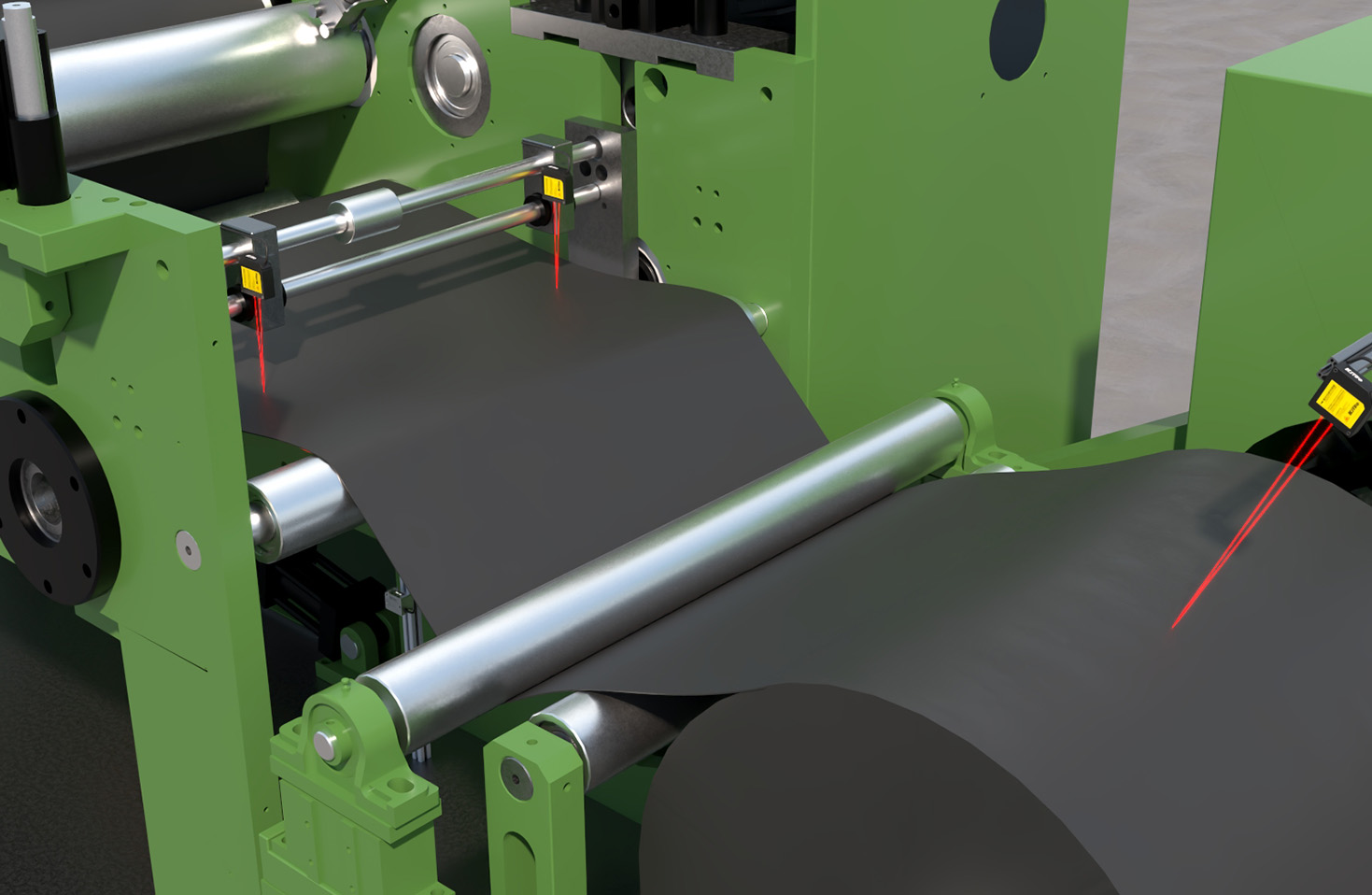
Modern advancements have led to smarter, more versatile sensors. Innovations include USB-connected meters with intuitive software, multi-channel systems for simultaneous measurements, and sensors with wide spectral ranges from UV to far-IR. Durability improvements, such as water-cooled designs or protective coatings, extend operational life in harsh environments. As laser technology evolves toward higher powers and novel wavelengths, laser power meter sensors continue to adapt, integrating AI-driven analytics and IoT connectivity for predictive maintenance and enhanced data insights.
In summary, laser power meter sensors are indispensable tools for anyone working with lasers. By understanding their principles, types, and specifications, professionals can select the right sensor for their needs, ensuring accurate measurements that drive innovation and safety across industries. Regular calibration and adherence to operational guidelines further maximize their effectiveness, supporting the growing reliance on laser-based solutions worldwide.