In modern industrial automation and machinery, proximity sensors are indispensable components for detecting the presence or absence of objects without physical contact. Among various types, anti-debris proximity sensors have gained significant attention due to their robustness in harsh environments where contaminants like metal chips, dust, or liquid splashes are prevalent. This article delves into the working principles, design considerations, and applications of these specialized sensors, providing insights for engineers and technicians in the electrical and automation fields.
Anti-debris proximity sensors operate primarily on inductive, capacitive, or ultrasonic principles, with inductive sensors being the most common in industrial settings. Inductive sensors generate an electromagnetic field using a coil and oscillator circuit. When a metallic object enters this field, eddy currents are induced in the target, causing a change in the sensor's oscillation amplitude. This change is detected by a threshold circuit, which triggers an output signal. To mitigate interference from debris, these sensors incorporate several key features. First, they often use shielded designs that focus the electromagnetic field axially, reducing sensitivity to lateral contaminants. The sensing face is typically made of wear-resistant materials such as stainless steel or ceramic, which can withstand impacts and prevent accumulation of particles. Additionally, advanced models include filtering algorithms in their electronic circuitry to distinguish between valid targets and transient debris, ensuring reliable operation.
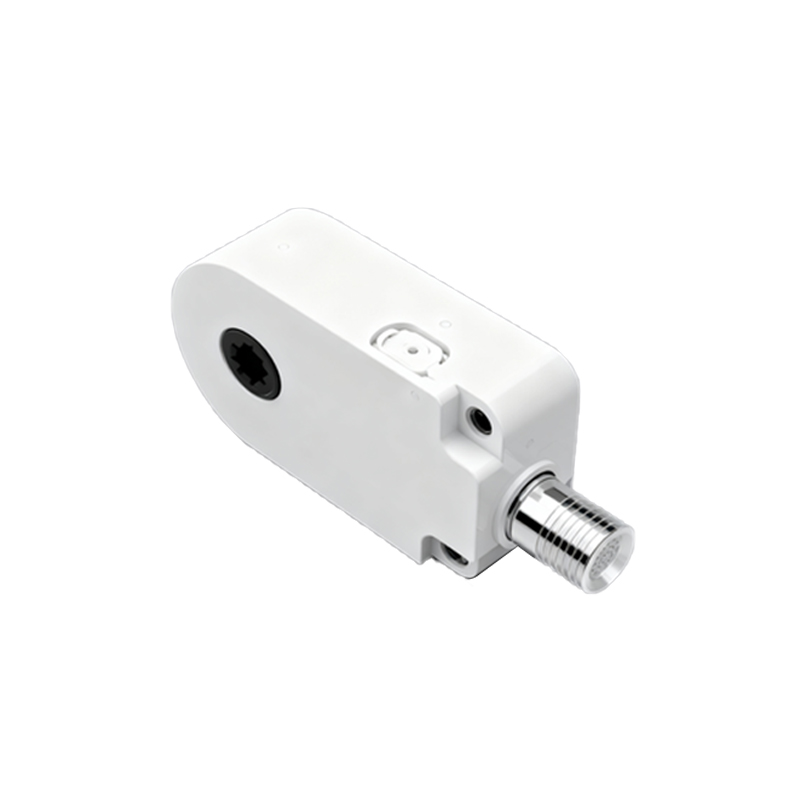
Capacitive anti-debris sensors function by detecting changes in capacitance between the sensor electrode and a target object. They are suitable for both metallic and non-metallic materials, making them versatile in applications involving plastic, wood, or liquid detection. However, in debris-prone environments, these sensors face challenges due to false triggers from contaminants adhering to the sensing surface. To address this, manufacturers implement guard ring designs that isolate the active sensing area, minimizing the influence of surrounding debris. The sensors are also equipped with adjustable sensitivity settings, allowing users to calibrate them based on specific environmental conditions. For instance, in a machining center where oil mist and metal shavings are common, the sensitivity can be tuned to ignore small particles while detecting larger workpieces accurately.
Ultrasonic anti-debris sensors emit high-frequency sound waves and measure the time taken for echoes to return from objects. They excel in detecting various materials regardless of color or transparency, but are susceptible to interference from airborne dust or accumulated debris on the transducer surface. To enhance durability, these sensors often feature self-cleaning mechanisms, such as vibrating elements that dislodge contaminants, or protective coatings that repel liquids and solids. The signal processing units in ultrasonic sensors utilize advanced algorithms to filter out noise caused by debris, ensuring precise distance measurement and object detection.
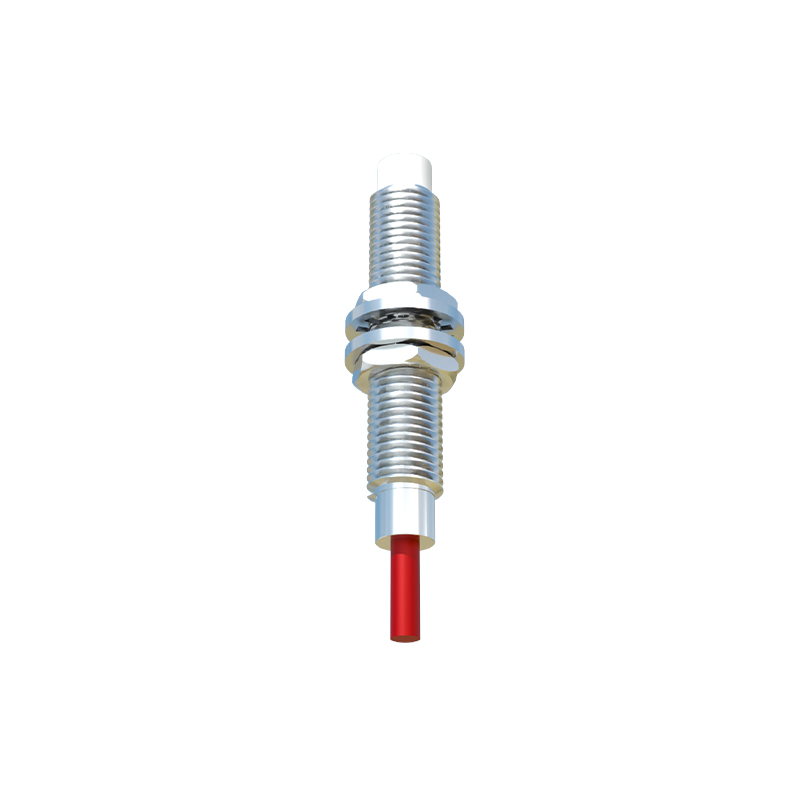
Design considerations for anti-debris proximity sensors extend beyond the sensing technology. Enclosure ratings, such as IP67 or IP69K, are critical to prevent ingress of dust and water, thereby maintaining sensor integrity in demanding environments like automotive manufacturing or food processing plants. Temperature tolerance is another factor, as sensors must operate reliably in extreme conditions ranging from -25°C to 70°C or higher. Engineers should also consider mounting configurations—flush-mounted sensors are less prone to damage from debris compared to non-flush types, as they can be recessed into machinery surfaces.
In practice, anti-debris proximity sensors find applications across diverse industries. In CNC machining, they monitor tool positions and detect workpiece presence, preventing collisions caused by metal chip buildup. In conveyor systems, they ensure proper material handling by ignoring stray debris while detecting packages or products. The agricultural sector employs these sensors in equipment like harvesters to detect crop levels without interference from soil or plant residue. As Industry 4.0 advances, integration with IoT platforms allows for real-time monitoring and predictive maintenance, further enhancing the efficiency of anti-debris sensors.
Overall, the effectiveness of anti-debris proximity sensors lies in their combination of robust hardware design and intelligent signal processing. By understanding the underlying principles and selection criteria, engineers can optimize sensor performance, reduce downtime, and improve safety in industrial operations. Future developments may focus on miniaturization, enhanced AI-driven filtering, and greater compatibility with wireless networks, paving the way for smarter, more resilient automation systems.