In the realm of modern smartphones, the Huawei Nova 9 stands out with its sophisticated array of sensors, among which the proximity sensor plays a crucial yet often overlooked role. This article delves into the technical specifics, operational principles, and practical applications of the proximity sensor in the Nova 9, tailored for professionals in the electrical and consumer electronics industries.
The proximity sensor in the Huawei Nova 9 is primarily an infrared (IR) sensor, a common choice in mobile devices due to its reliability and efficiency. It typically consists of an IR LED emitter and an IR photodiode receiver. During operation, the emitter sends out an infrared light beam. When an object, such as a user's ear or hand, approaches the phone's screen, this beam is reflected back to the photodiode. The sensor's integrated circuit then measures the intensity of the reflected light to determine the object's proximity. This data is processed in real-time by the device's software to trigger specific actions.
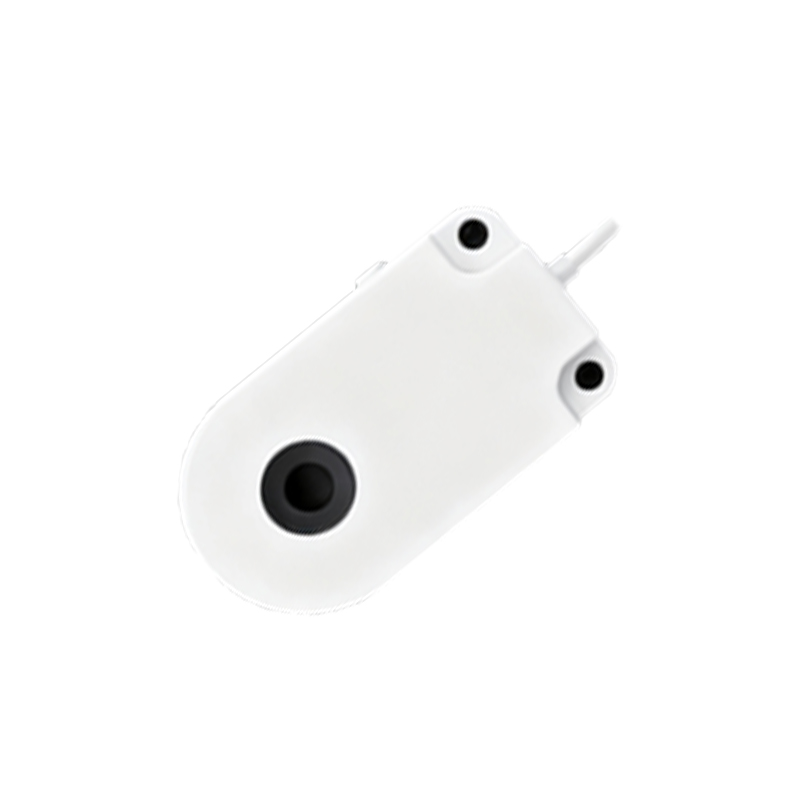
A key function of this sensor is to disable the touchscreen during phone calls. When the Nova 9 is held close to the ear, the proximity sensor detects this and turns off the display to prevent accidental touch inputs, such as muting the call or activating other features. This not only enhances user experience but also conserves battery power by deactivating the screen unnecessarily. Furthermore, the sensor aids in power management by working in conjunction with ambient light sensors to adjust screen brightness based on the environment, though its primary role remains proximity detection.
From an engineering perspective, the Nova 9's sensor is designed for high precision and low power consumption. It operates on a low-voltage supply, typically around 3V, and consumes minimal current in standby mode, aligning with modern energy-efficient standards. The sensor's response time is critical; it must react within milliseconds to ensure seamless user interaction. Huawei likely employs noise-filtering algorithms in the sensor's firmware to reduce false triggers from environmental factors like dust or varying light conditions. Integration with the device's mainboard involves standard I2C or SPI communication protocols, allowing the sensor to relay data to the central processor efficiently.
In terms of hardware placement, the proximity sensor in the Nova 9 is discreetly located near the top bezel of the display, often within the earpiece grille or under the screen in newer models, utilizing advanced optical designs to maintain functionality without compromising the phone's sleek aesthetics. This placement is strategic to ensure accurate detection during typical usage scenarios, such as holding the phone to the ear.
For industry professionals, understanding this component is essential for troubleshooting and repair. Common issues with proximity sensors include calibration errors, physical obstruction from screen protectors, or hardware failure due to moisture ingress. In the Nova 9, recalibration can often be performed through diagnostic software, but hardware replacements require careful handling due to the sensor's integration with other modules. The trend in smartphone design is moving towards under-display sensors, which may present future challenges and opportunities in sensor technology, emphasizing the need for ongoing expertise in optical and electrical engineering.
In summary, the proximity sensor in the Huawei Nova 9 is a vital component that enhances usability and efficiency through IR-based detection. Its design reflects broader industry trends toward miniaturization, low power consumption, and seamless integration, making it a relevant case study for engineers and technicians focused on consumer electronics innovation.