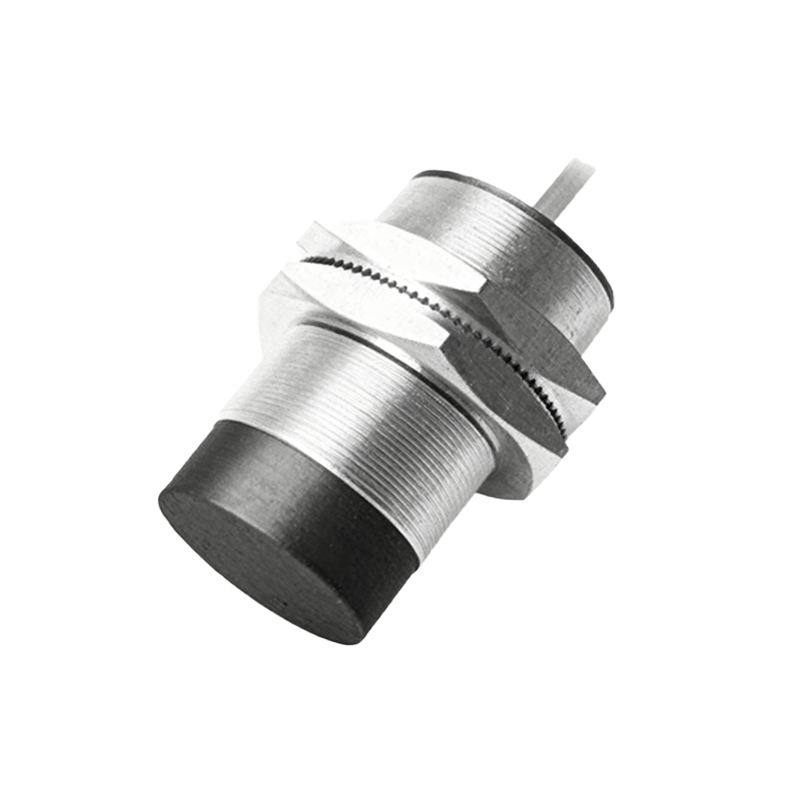
Pressure proximity switch sensors represent a critical component in modern industrial automation and process control systems. These devices are engineered to detect the presence or absence of an object within a specified sensing range without physical contact, based on pressure changes or mechanical force interaction. Unlike standard proximity sensors that rely on electromagnetic, capacitive, or inductive principles, pressure proximity switches typically incorporate a tactile or diaphragm mechanism that actuates an electrical switch when a predetermined pressure threshold is met. This makes them particularly valuable in applications involving physical contact detection, material handling, assembly verification, and safety interlocks where direct mechanical force is a reliable indicator.
The operational principle of a pressure proximity switch sensor often involves a spring-loaded plunger, a flexible diaphragm, or a piston that moves in response to applied force. This mechanical displacement triggers an internal snap-action or micro switch, changing the electrical state of the sensor from open to closed (or vice versa). The actuation force, reset force, and overtravel capacity are key specifications that determine the sensor's suitability for specific tasks. For instance, in automotive manufacturing, these sensors verify proper seating of components during press-fit operations. In packaging machinery, they confirm the presence of items on conveyor belts. Their robustness allows them to operate reliably in environments with high levels of dust, oil, coolant, or electromagnetic interference, where other non-contact sensors might fail.
Selecting the appropriate pressure proximity switch requires careful consideration of several technical parameters. The operating force range, typically measured in grams or Newtons, must match the application's mechanical input. The repeat accuracy, which defines how consistently the sensor activates at the same force point, is crucial for precision processes. Electrical ratings, including voltage, current, and switching capacity (e.g., resistive vs. inductive loads), must align with the control circuit. Enclosure ratings, such as IP67 or IP69K for water and dust resistance, are vital for harsh industrial environments. Additionally, the mechanical design—including plunger shape (e.g., roller, pin, or flat tip), housing material (often stainless steel or engineered plastics), and connection type (pre-wired cable or quick-disconnect)—impacts durability and ease of installation.
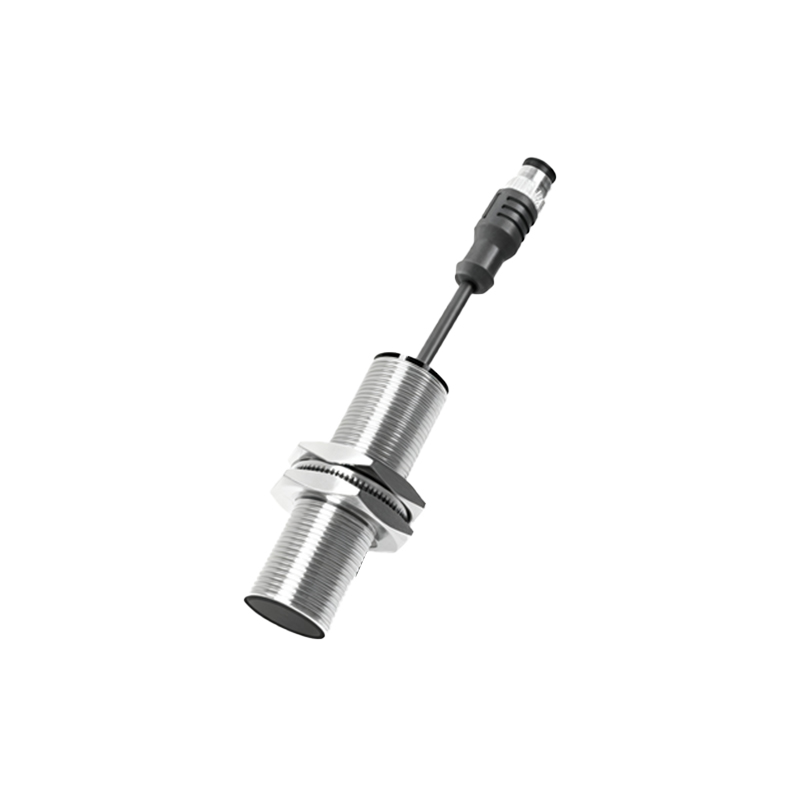
Installation and maintenance practices significantly influence sensor longevity and performance. Proper mounting is essential to ensure the actuating element engages correctly with the target object. Misalignment can cause uneven wear, false triggering, or physical damage. Regular inspection for mechanical wear on the plunger or diaphragm, verification of electrical connections, and cleaning of debris from the sensing face help prevent unexpected downtime. Many modern variants feature LED status indicators for quick diagnostics and adjustable actuation points for fine-tuning in the field.
Advancements in sensor technology have led to the integration of pressure proximity switches with programmable logic controllers (PLCs) and Industrial Internet of Things (IIoT) systems. Smart sensors now offer IO-Link communication, enabling real-time monitoring of parameters like actuation counts, force profiles, and device health. This data facilitates predictive maintenance, reducing unplanned stoppages and optimizing production efficiency. Furthermore, miniaturization has enabled their use in compact machinery and robotics, while high-force models serve in heavy-duty applications like metal stamping or clamping verification.
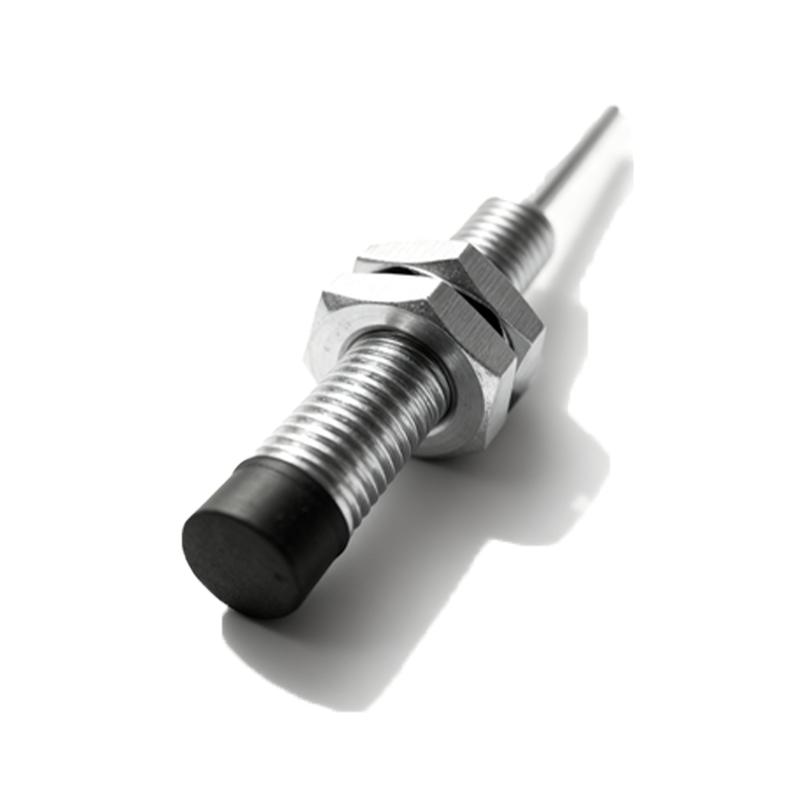
In conclusion, pressure proximity switch sensors are indispensable for reliable, contact-based detection in industrial automation. Their mechanical simplicity, environmental resilience, and precise actuation make them a preferred choice for countless applications demanding robust performance. Engineers and technicians must thoroughly evaluate application requirements against sensor specifications to ensure optimal selection, installation, and integration, thereby enhancing system reliability and productivity. As industries evolve towards smarter, more connected operations, these sensors continue to adapt, offering greater intelligence and flexibility for the factories of the future.