In the ongoing global effort to monitor and improve air quality, laser-based haze sensors have emerged as a critical technology for precise particulate matter (PM) detection. Unlike traditional scattering-based optical sensors that use LEDs, these advanced devices employ laser diodes to achieve superior accuracy, sensitivity, and reliability in measuring airborne pollutants such as PM2.5 and PM10. This article delves into the operational principles, key applications, and latest trends shaping this vital segment of the environmental sensing industry.
The core principle of a laser haze sensor is laser scattering, specifically known as Mie scattering. A controlled laser beam is emitted into a detection chamber through which ambient air is drawn. When particulate matter (PM) passes through this beam, it scatters the laser light. A photodetector, positioned at a specific angle (typically 90 degrees), captures this scattered light. The intensity of the scattered signal is directly proportional to the concentration of particles in the air. Sophisticated algorithms then process this raw signal, correlating it to mass concentration values for specific particle size ranges. The use of a coherent laser source, as opposed to an incoherent LED, provides a more intense and focused light beam. This results in a stronger scattering signal with a higher signal-to-noise ratio, enabling the detection of finer particles at lower concentrations and improving the sensor's stability over time and across varying environmental conditions.
Key components define the performance of these sensors. The laser diode is the heart, often operating in the near-infrared spectrum for optimal particle interaction. The detection chamber's design is paramount; it must ensure a consistent and representative airflow while minimizing issues like particle deposition or light interference from internal surfaces. High-quality photodiodes or phototransistors convert the faint scattered light into an electrical signal. Finally, the onboard microprocessor runs the calibration algorithms, often based on industry-standard reference methods, to output standardized data. Modern units frequently include temperature and humidity sensors to provide compensation, as these factors can influence the scattering properties of particles.

The applications for laser haze sensors are extensive and growing. In consumer electronics, they are integrated into smart home air purifiers, thermostats, and portable air quality monitors, providing users with real-time, actionable data. For urban air quality monitoring networks, these sensors offer a cost-effective means to deploy dense grids of monitoring points, supplementing larger, more expensive reference stations. They are indispensable in industrial settings for monitoring workplace safety, ensuring compliance with occupational exposure limits to dust and aerosols. The HVAC industry incorporates them into building management systems to optimize ventilation rates based on actual indoor air quality, promoting energy efficiency and occupant health. Furthermore, they are finding new roles in automotive cabin air quality systems and even in drone-based environmental surveying.
Recent industry advancements are pushing the boundaries of what these sensors can do. Miniaturization is a significant trend, with manufacturers developing chip-scale sensor packages that consume less power while maintaining performance, enabling their use in battery-operated IoT devices. Enhanced intelligence is another frontier; sensors now often feature self-diagnostic capabilities, fault detection, and automatic calibration reminders to ensure long-term data integrity. Connectivity has become standard, with outputs via UART, I2C, or wireless protocols like LoRaWAN and NB-IoT, facilitating seamless integration into larger data ecosystems. There is also a growing focus on multi-parameter sensing, where a single module can measure PM, volatile organic compounds (VOCs), carbon dioxide, and environmental conditions, providing a comprehensive air quality profile.
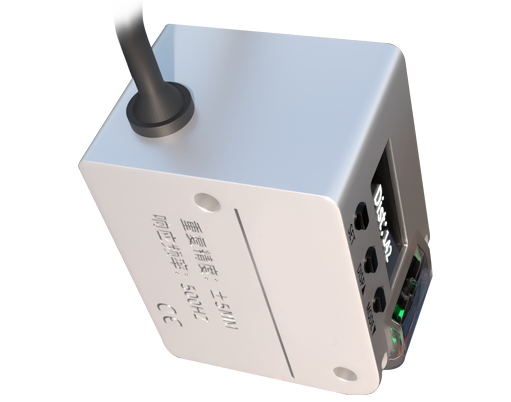
However, engineers and specifiers must be aware of limitations and best practices. While highly accurate for their size and cost, laser haze sensors are not equivalent to gravimetric or beta attenuation reference monitors used by environmental agencies. They infer mass concentration from optical properties, and their accuracy can be influenced by particle composition, color, and refractive index. Proper installation is crucial; sensors must be shielded from direct airflow, condensation, and contamination sources. Regular maintenance, including cleaning the inlet and chamber as per manufacturer guidelines, is essential to prevent drift and ensure consistent readings over the sensor's operational lifespan, which typically ranges from 3 to 8 years depending on the environment.
In conclusion, laser-based haze sensors represent a sophisticated fusion of optics, electronics, and data science, delivering critical visibility into particulate pollution. Their evolution from niche instruments to ubiquitous components in consumer and industrial products underscores their value. For engineers and system integrators, selecting the right sensor involves a careful evaluation of range, resolution, form factor, power requirements, and data output compatibility. As sensor fusion, AI-driven analytics, and global connectivity continue to advance, these devices will play an increasingly pivotal role in building smarter, healthier, and more sustainable environments worldwide.