Proximity sensors are indispensable components in modern industrial automation, providing non-contact detection of objects within a defined range. When integrated with microcontrollers (MCUs), they enable intelligent control systems for machinery, robotics, and safety applications. This article details the practical steps and considerations for interfacing various types of proximity sensors with microcontrollers, ensuring reliable operation in demanding environments.
The first step involves selecting the appropriate sensor type based on the application. Inductive proximity sensors are ideal for detecting metallic objects, utilizing electromagnetic fields to sense ferrous and non-ferrous metals without physical contact. Capacitive sensors can detect both metallic and non-metallic materials, including liquids and plastics, by measuring changes in capacitance. Ultrasonic sensors use sound waves to determine distance, suitable for longer ranges and diverse material detection. Each type outputs a signal—typically digital (ON/OFF) or analog (voltage/current)—that must be compatible with the microcontroller's input capabilities.
For digital output sensors, the interface is straightforward. Most industrial proximity sensors provide a transistor-transistor logic (TTL) or open-collector output. Connect the sensor's output pin to a digital input pin on the microcontroller. A pull-up or pull-down resistor may be required to ensure a stable logic level when the sensor is inactive. For instance, with a sinking (NPN) output sensor, use a pull-up resistor to the MCU's supply voltage; for a sourcing (PNP) output, a pull-down resistor to ground is often necessary. Program the microcontroller to read the digital pin, triggering actions like activating a relay or logging data when the sensor detects an object. Debouncing techniques in software may be needed to filter out electrical noise common in industrial settings.
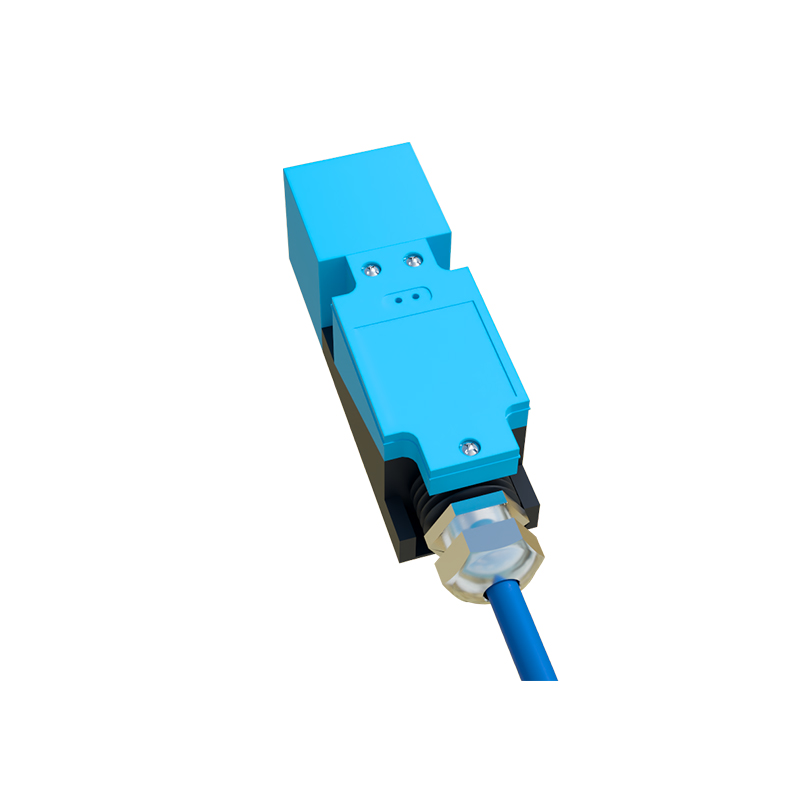
Analog output sensors, such as those providing 0-10V or 4-20mA signals, require an analog-to-digital converter (ADC) on the microcontroller. For voltage output sensors, directly connect the output to an ADC input pin, ensuring the voltage range matches the MCU's ADC reference voltage. Current output sensors need a precision shunt resistor to convert the current signal into a measurable voltage. Calibration is critical: map the ADC readings to actual distance values by recording sensor outputs at known distances. This linearization process accounts for sensor non-linearities, especially in ultrasonic or capacitive types.
Power supply considerations are paramount. Most proximity sensors operate on 12-24V DC, while microcontrollers typically use 3.3V or 5V. Use separate power supplies or voltage regulators to avoid noise interference. Opto-isolation or signal conditioning modules can protect the microcontroller from voltage spikes and ground loops prevalent in industrial machinery. For long cable runs, twisted-pair cables with shielding reduce electromagnetic interference (EMI), ensuring signal integrity.
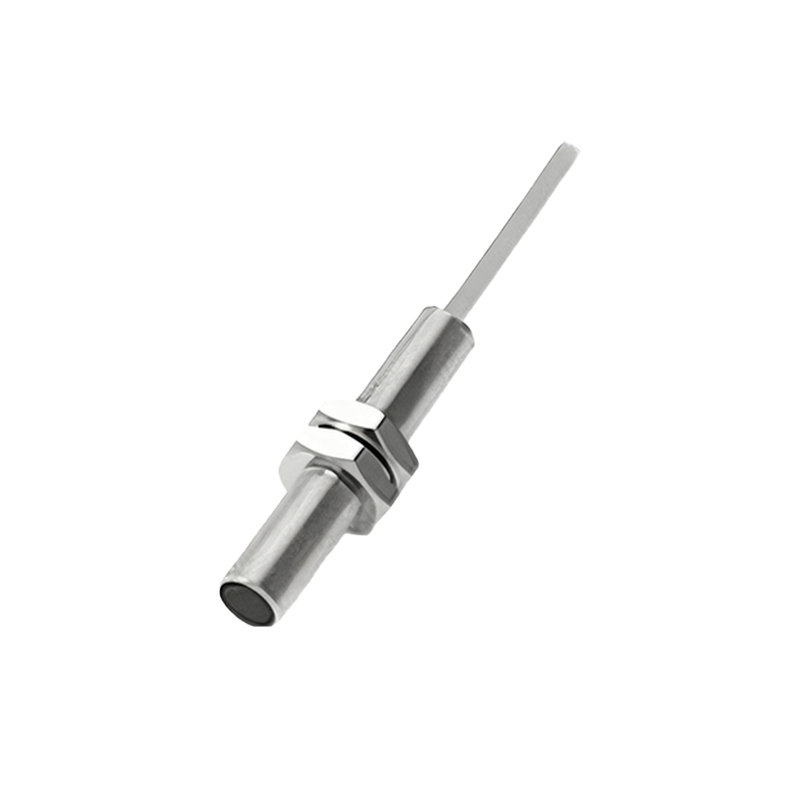
In programming, implement robust routines. For digital sensors, use interrupt-driven code to promptly respond to detection events, minimizing latency. For analog sensors, employ averaging filters in software to smooth ADC readings, mitigating transient noise. Incorporate fault detection, such as monitoring for sensor disconnection or out-of-range values, to enhance system reliability. Many modern microcontrollers, like ARM Cortex-M series, offer peripherals like timers and DMA controllers that optimize sensor data processing without CPU overhead.
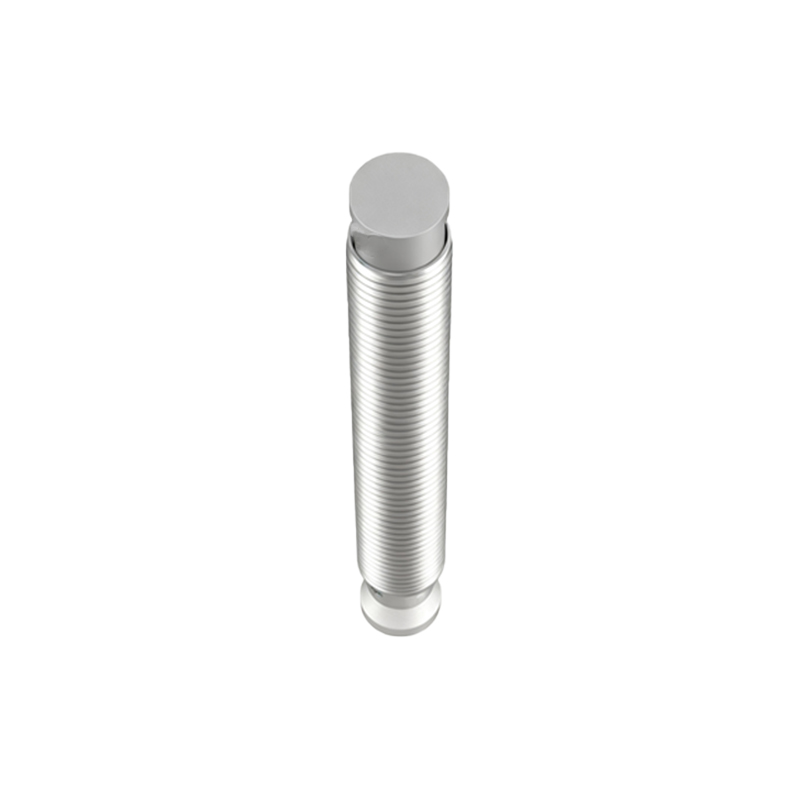
Testing and validation in a simulated environment are essential before deployment. Use oscilloscopes to verify signal cleanliness and multimeters to check power stability. Adjust sensor sensitivity and hysteresis settings to prevent false triggers from environmental factors like temperature fluctuations or vibration. Document the wiring diagram and code logic for maintenance purposes.
By following these guidelines, engineers can seamlessly integrate proximity sensors with microcontrollers, creating responsive and durable automation systems. This synergy not only improves efficiency but also enables advanced features like predictive maintenance through continuous sensor data analysis. As Industry 4.0 evolves, mastering this interface remains a cornerstone of innovative industrial design.