Proximity sensors are indispensable components in modern industrial automation, offering non-contact detection of objects within a specific range. These devices enhance efficiency, safety, and precision across various sectors by eliminating physical contact, thereby reducing wear and tear. This article explores key application examples of proximity sensors, highlighting their versatility and impact on industrial operations.
In manufacturing assembly lines, proximity sensors play a critical role in object detection and positioning. For instance, inductive proximity sensors are widely used to detect metallic parts, such as in automotive production where they monitor the presence of engine components on conveyor belts. By ensuring accurate positioning, these sensors prevent misalignments and reduce downtime. Similarly, capacitive proximity sensors can detect non-metallic materials like plastics or liquids, making them ideal for packaging industries where they verify the fill levels of containers or the presence of labels on bottles. This application minimizes waste and improves product consistency.
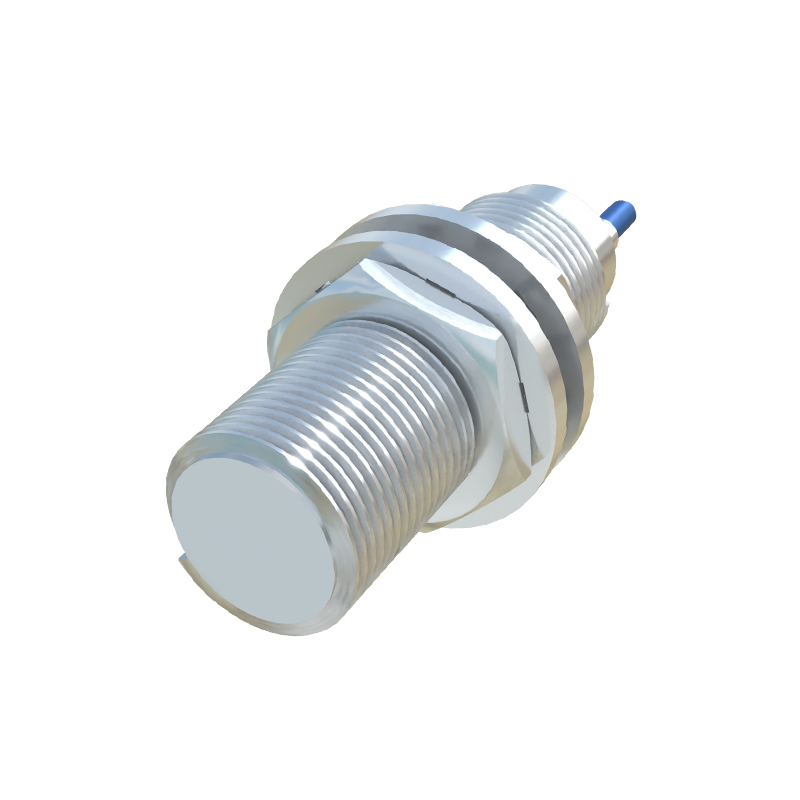
Material handling systems heavily rely on proximity sensors for automation and safety. In warehouse logistics, sensors are installed on automated guided vehicles (AGVs) to navigate pathways and avoid collisions with obstacles. Ultrasonic proximity sensors, which use sound waves to detect objects, are effective in dusty or humid environments where optical sensors might fail. They help AGVs maintain safe distances from walls and other equipment, ensuring smooth operations. Additionally, in robotic arms, proximity sensors provide feedback for precise movements, such as picking and placing items in electronics manufacturing. This enhances speed and reduces errors in repetitive tasks.
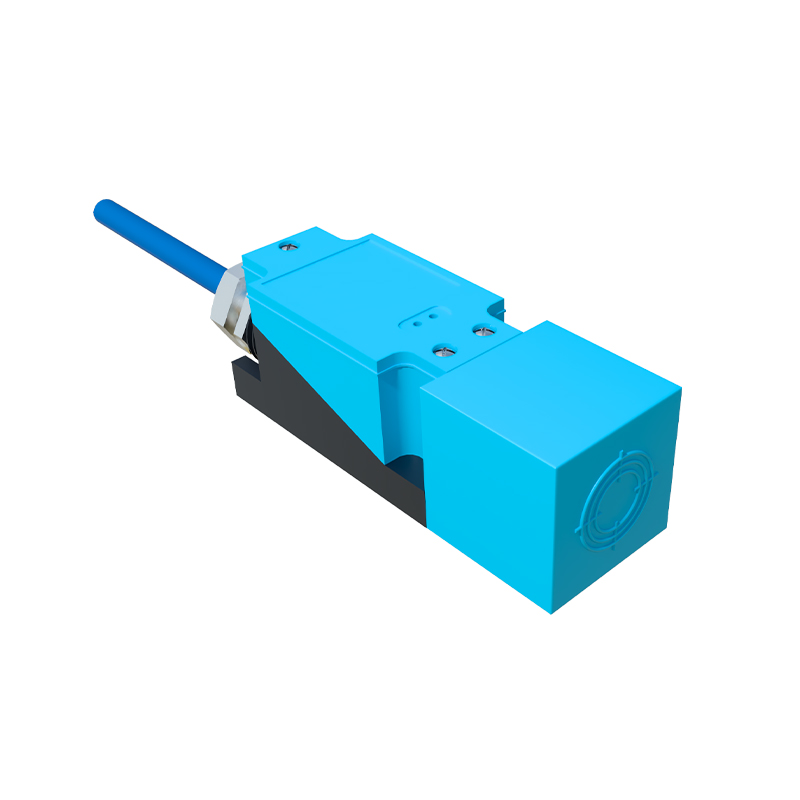
Safety applications are another vital area for proximity sensors. In hazardous environments, such as chemical plants or heavy machinery zones, sensors act as guards to protect workers. Magnetic proximity sensors, for example, are used on safety doors and gates to detect whether they are properly closed before machinery starts. If a door is open, the sensor sends a signal to halt operation, preventing accidents. Moreover, in the automotive industry, sensors are integrated into vehicles for parking assistance systems, alerting drivers to nearby objects to avoid collisions. These implementations underscore the role of proximity sensors in risk mitigation.
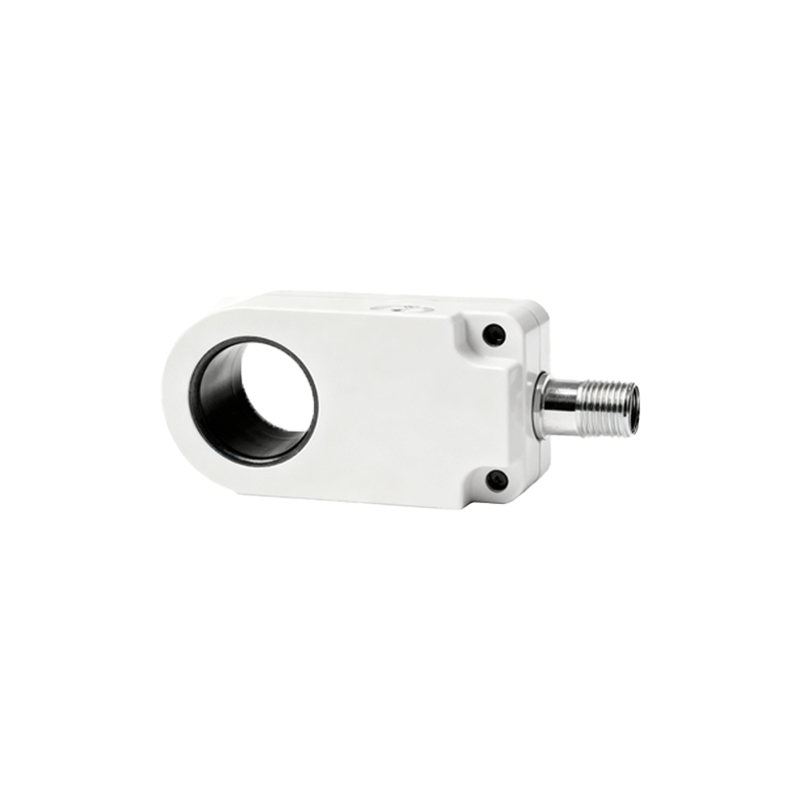
The energy sector benefits from proximity sensors in monitoring and control systems. In wind turbines, sensors detect the position of blades and other moving parts, enabling optimal performance and early fault detection. Inductive sensors are employed to monitor rotational speed in turbines, ensuring they operate within safe limits. In oil and gas pipelines, proximity sensors help detect leaks or blockages by sensing changes in material proximity, allowing for timely maintenance. This proactive approach reduces operational costs and enhances sustainability.
In conclusion, proximity sensors are versatile tools that drive innovation in industrial automation. From manufacturing and material handling to safety and energy management, their applications demonstrate significant improvements in productivity and reliability. As technology advances, these sensors are expected to become even more integral to smart factories and IoT ecosystems, further transforming industrial landscapes.