In the realm of industrial automation and control systems, proximity sensors are indispensable components. They detect the presence or absence of an object without physical contact, relying on electromagnetic fields, light, or sound. However, their reliability and accuracy are not inherent; they are a direct result of precise calibration. Proximity sensor calibration is the systematic process of adjusting the sensor's output to correspond accurately with a known standard or reference distance. This ensures that the sensor triggers at the exact intended point, which is critical for processes like positioning, counting, inspection, and safety interlocks.
The need for calibration stems from several factors. All sensors have inherent tolerances and can experience drift over time due to environmental conditions such as temperature fluctuations, humidity, electrical noise, and mechanical vibration. Contaminants like dust, oil, or metal shavings can also affect sensing performance, particularly for inductive and capacitive sensors. Without regular calibration, a sensor might trigger too early or too late, leading to product defects, machine crashes, production downtime, or even safety hazards. For instance, in a robotic welding cell, an uncalibrated proximity sensor could misposition the workpiece, resulting in poor weld quality.
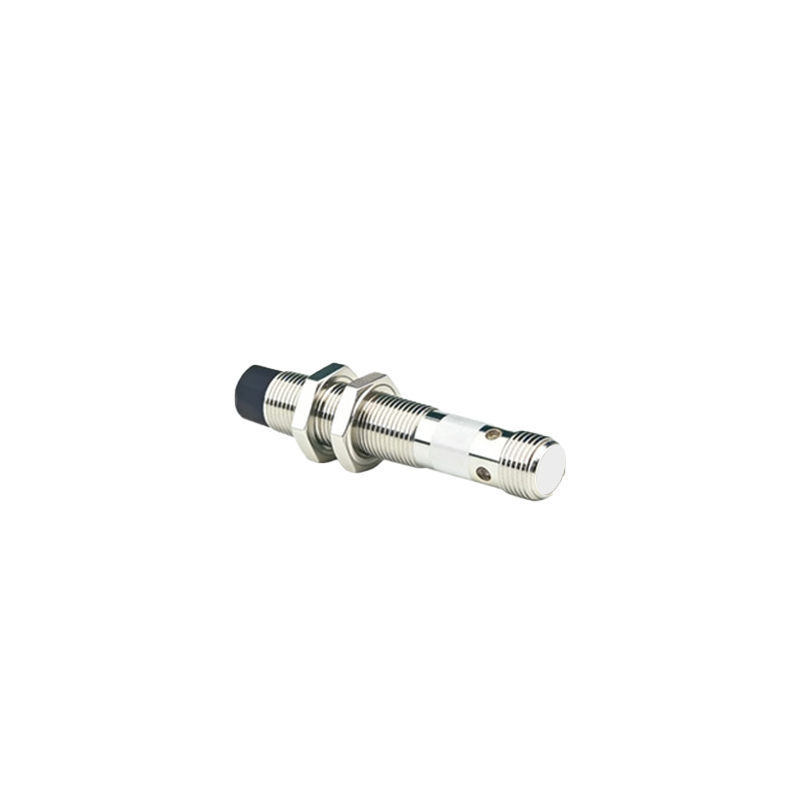
The calibration process varies depending on the sensor type—inductive, capacitive, ultrasonic, or photoelectric—but follows a core principle: comparison and adjustment. For a standard inductive proximity sensor detecting a metal target, the process typically involves using precision gauge blocks or a calibrated distance fixture. The sensor is mounted, and the target is moved to the specified nominal sensing distance (Sn), usually defined by the manufacturer. The sensor's output is then monitored. If the output switches (from OFF to ON, or vice-versa) at a distance different from Sn, adjustments are made.
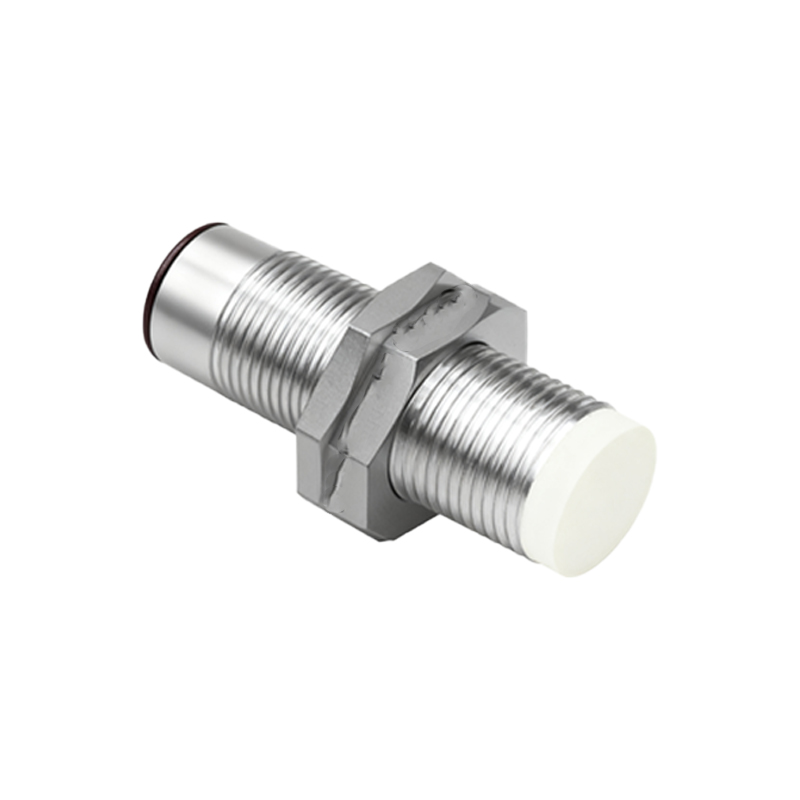
Many modern proximity sensors feature built-in calibration capabilities, often accessible via teach-in buttons or through programmable logic controller (PLC) interfaces. The two-point calibration method is common. Here, the technician teaches the sensor a "near" point (the closest operational distance) and a "far" point (the maximum reliable sensing distance). The sensor's internal electronics then interpolate a linear response curve between these points. For highly critical applications, calibration against a traceable standard using laser interferometers or other high-precision instruments may be required to meet quality standards like ISO 9001.
Establishing a proactive calibration schedule is a hallmark of effective predictive maintenance. The frequency depends on the application's criticality, environmental severity, and the sensor's historical performance data. A sensor in a clean, climate-controlled packaging line may require annual calibration, while one in a hot, grimy forging press might need quarterly checks. Documentation is crucial; maintaining a calibration log that records the date, technician, reference standard used, as-t-found data, adjustments made, and as-left results is essential for audit trails and performance trending.
Ignoring calibration can have significant cost implications. The direct costs of scrap, rework, and unplanned downtime often far exceed the cost of a routine calibration program. More importantly, in safety-critical applications—such as light curtains or area guards that protect personnel—proper calibration is non-negotiable. A miscalibrated safety sensor could fail to detect an intrusion, leading to catastrophic injury.
In conclusion, proximity sensor calibration is not a one-time event but a fundamental, ongoing discipline in industrial engineering. It transforms a simple detection device into a reliable and precise measurement instrument. By investing in proper calibration tools, procedures, and schedules, engineers and maintenance teams ensure system integrity, optimize production quality, enhance operational safety, and ultimately protect the bottom line. Understanding and implementing rigorous calibration protocols is what separates a functioning system from a truly robust and efficient one.