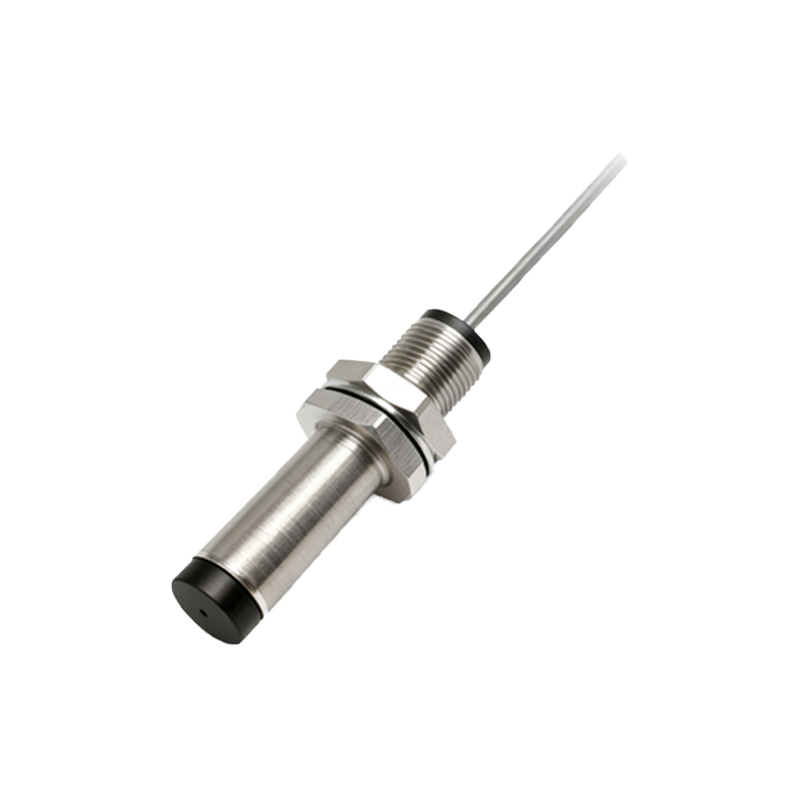
Proximity sensors are vital components in countless industrial, automotive, and consumer electronic applications. They enable non-contact detection of objects, ensuring smooth automation, safety, and user interface functionality. However, like any electronic device, they are susceptible to failure. Understanding the root causes of proximity sensor damage is crucial for maximizing their lifespan, reducing downtime, and maintaining system integrity. The reasons for failure can be broadly categorized into environmental factors, electrical issues, mechanical stress, and improper selection or installation.
Environmental contamination stands as one of the most prevalent killers of proximity sensors. These sensors often operate in harsh conditions where they are exposed to dust, metal chips, oil, coolant, and other particulates. Inductive sensors, for instance, can have their sensing faces coated with a layer of conductive metallic swarf, effectively creating a shield that dampens the electromagnetic field and severely reduces the sensing range or causes false triggers. Similarly, optical and capacitive sensors can be blinded by a buildup of opaque dirt or moisture on their lenses or surfaces. Extreme temperatures are another environmental hazard. Operating a sensor beyond its specified temperature range can cause internal components to degrade, solder joints to crack, or housing materials to warp, leading to permanent failure. Certain chemicals and solvents can also corrode the sensor's housing, degrade cable insulation, or attack internal electronics.
Electrical overload and supply problems are a significant source of premature sensor failure. Voltage spikes and transients on the power supply lines, often originating from inductive loads like solenoids or motors switching on and off, can overwhelm the sensor's internal circuitry. Even brief surges can damage sensitive semiconductors. Incorrect wiring is a common installer error. Connecting a sensor to a voltage supply exceeding its rating, reversing polarity, or short-circuiting the output can cause immediate and catastrophic failure. Furthermore, using excessively long cables without proper shielding can make the sensor susceptible to electromagnetic interference (EMI) from nearby high-power equipment, leading to erratic and unreliable operation.
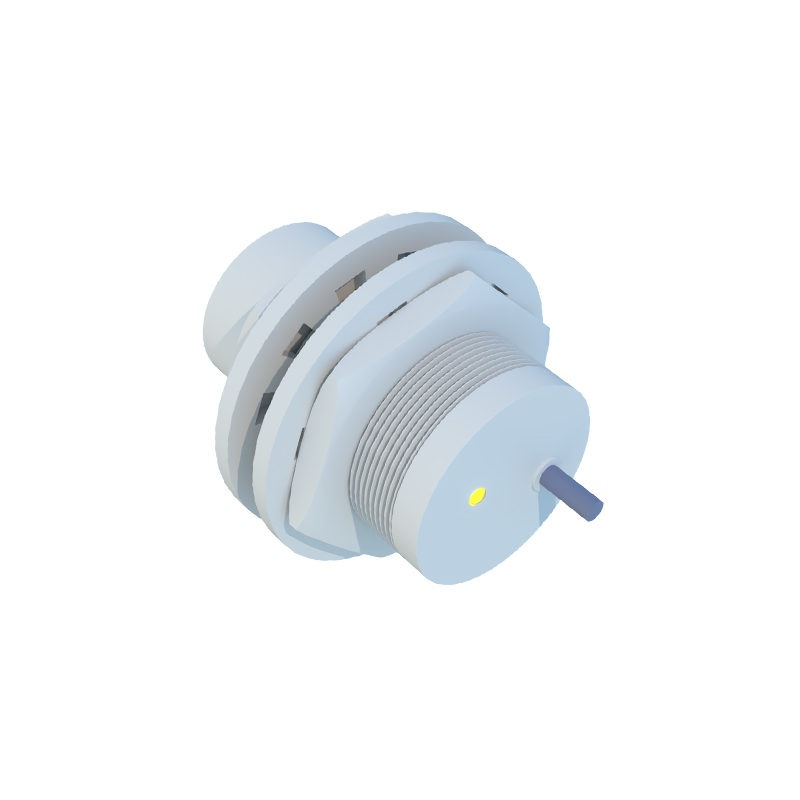
Physical and mechanical damage is frequently observed in demanding industrial settings. Direct impact from tools, workpieces, or machinery can crack the sensor housing, dislodge internal components, or misalign critical elements. Vibration is a more insidious form of mechanical stress. Constant, high-amplitude vibration can loosen mounting hardware, fatigue internal solder connections, and eventually cause wires to break. Even the sensor's own mounting can be a problem if it is over-torqued, potentially distorting the housing and affecting performance. For sensors with cables, repeated flexing, pulling, or pinching at the cable entry point is a common failure point, leading to wire breakage.
Often, failure is not due to a faulty sensor but due to an incorrect application. Selecting the wrong sensor type for the task is a fundamental error. Using a standard inductive sensor to detect a non-ferrous metal like aluminum will result in a drastically reduced sensing range. Attempting to use a capacitive sensor to detect an object in a environment with wildly fluctuating humidity will lead to instability. Ignoring the sensor's specifications, such as its nominal sensing distance (Sn) and the associated safety factors, can also lead to problems. Installing a sensor too close to its target might cause physical contact and wear over time. Additionally, mounting multiple sensors too close together can cause them to interfere with each other, a phenomenon known as mutual interference, which degrades performance.
Preventing these failures requires a proactive approach grounded in proper practices. Start with meticulous sensor selection, ensuring the type, sensing distance, housing material, and environmental ratings (IP, NEMA, temperature) match the application. Correct installation is paramount: follow torque specifications for mounting, ensure proper alignment, use conduit or protective guards in high-risk areas, and employ shielded cables with solid connections. Implementing electrical protection, such as surge suppressors, proper fusing, and stable power supplies, can shield sensors from voltage anomalies. Finally, a routine maintenance schedule that includes cleaning sensor faces, checking for physical damage, verifying mounting integrity, and testing functionality can identify issues before they lead to a complete system stoppage. By understanding and mitigating these common causes of damage, engineers and maintenance personnel can ensure the reliable and long-lasting operation of their proximity sensing systems.