The integration of laser autofocus sensors in Apple's consumer electronics represents a significant leap in precision engineering and user experience enhancement. As a seasoned electrical engineer in the industry, I have observed how Apple has leveraged this technology to redefine performance standards across its product lineup, particularly in iPhones and iPads. Laser autofocus sensors operate by emitting infrared laser beams to measure the distance between the sensor and the subject with exceptional accuracy. This process enables rapid focusing, even in low-light conditions, where traditional contrast-detection autofocus systems often struggle.
Apple first introduced laser autofocus in the iPhone 12 Pro models, and it has since become a staple in high-end devices. The core mechanism involves a time-of-flight (ToF) principle, where the sensor calculates distance based on the time taken for the laser pulse to reflect back. This method allows for sub-millisecond response times, ensuring that photos and videos are sharp and clear. From an engineering perspective, the miniaturization of these components without compromising performance is a testament to advanced semiconductor fabrication and optical design. The sensors are typically integrated alongside other imaging elements, such as LiDAR scanners in recent models, creating a synergistic effect that enhances augmented reality (AR) applications and computational photography.
In practice, the benefits extend beyond photography. For instance, laser autofocus improves the efficiency of facial recognition systems like Face ID by quickly mapping depth information, thereby increasing security and speed. Additionally, in AR environments, precise distance measurement enables more realistic object placement and interaction, which is crucial for applications in gaming, education, and professional design tools. Apple's commitment to refining this technology is evident in its iterative updates, where each generation sees improvements in power efficiency, accuracy, and integration density.
However, the implementation is not without challenges. Engineers must address issues such as interference from ambient light, heat dissipation in compact devices, and calibration consistency across mass production. Apple mitigates these through sophisticated algorithms and robust testing protocols. For example, adaptive filtering techniques are used to distinguish laser signals from background noise, ensuring reliability in diverse environments. Moreover, the sensors are designed with low-power consumption in mind, aligning with Apple's broader sustainability goals.
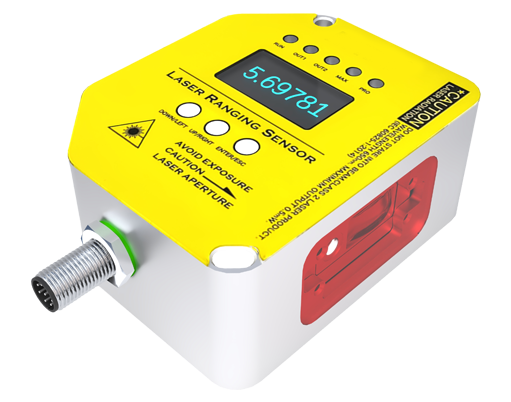
Looking ahead, the potential applications of laser autofocus sensors in Apple's ecosystem are expansive. With rumors of future MacBooks incorporating similar technology for enhanced user interaction, and ongoing research into wearable devices, the trajectory points toward deeper integration across all product categories. For professionals in the electrical engineering field, this trend underscores the importance of interdisciplinary knowledge in optics, materials science, and software development. As Apple continues to push the boundaries, laser autofocus sensors will likely evolve from a premium feature to a ubiquitous component, driving innovation in how we interact with technology daily.

In conclusion, Apple's adoption of laser autofocus sensors exemplifies how targeted engineering advancements can transform consumer electronics. By prioritizing precision, speed, and versatility, these sensors not only elevate imaging capabilities but also enable new functionalities that enrich the overall user experience. As the industry moves forward, observing Apple's approach offers valuable insights into the convergence of hardware and software in creating seamless, intelligent devices.
