In the realm of industrial automation and control systems, proximity sensors are indispensable components for detecting the presence or absence of objects without physical contact. While ferrous metal detection is a common requirement, a significant portion of modern applications involves non-ferrous materials such as aluminum, copper, brass, plastics, glass, and liquids. This necessitates the use of specialized non-ferrous proximity sensors. Unlike standard inductive sensors tuned for iron and steel, these sensors are engineered to identify and respond to a broader spectrum of materials, offering greater versatility in complex manufacturing and processing environments.
The fundamental operating principle of a standard inductive proximity sensor relies on generating an electromagnetic field. When a ferrous metal object enters this field, it causes eddy currents and changes the oscillation amplitude, triggering the sensor's output. However, non-ferrous metals like aluminum or copper have different electrical conductivity and magnetic permeability characteristics. They interact with the electromagnetic field differently, often resulting in a significantly reduced sensing range compared to ferrous metals. To address this, non-ferrous proximity sensors, often categorized as "all-metal" or "factor-1" sensors, employ advanced oscillator and amplifier circuits. These circuits are finely calibrated to detect the subtler changes in the field caused by non-ferrous targets. Some high-performance models utilize a balanced coil system or frequency modulation techniques to enhance sensitivity and stability, minimizing the performance gap between detecting ferrous and non-ferrous materials.
Key specifications differentiate these sensors from their standard counterparts. The most critical is the "reduction factor" or "correction factor." This factor indicates the reduction in nominal sensing range when detecting a specific non-ferrous metal compared to mild steel. For instance, an aluminum target might have a reduction factor of 0.3 to 0.5, meaning the effective sensing distance is only 30% to 50% of the sensor's rated range for steel. Engineers must carefully consult these factors during design. Other vital parameters include the sensing range, response frequency, output type (PNP/NPN, NO/NC), housing material (often nickel-plated brass or stainless steel for durability), and environmental ratings like IP67 or IP69K for washdown or harsh conditions.
The applications for non-ferrous proximity sensors are vast and cross-industry. In the automotive sector, they are used to detect aluminum engine blocks, wheels, or transmission components on assembly lines. In food and beverage processing, they monitor the presence of aluminum cans, foil lids, or plastic bottles, ensuring proper filling and capping. Packaging machinery relies on them to detect cardboard, plastic films, or composite materials. In electronics manufacturing, they sense copper traces on PCBs or non-ferrous mounting brackets. Furthermore, they play a role in liquid level detection for certain conductive fluids and in woodworking or composite material handling where metallic but non-ferrous fasteners or inserts must be sensed.
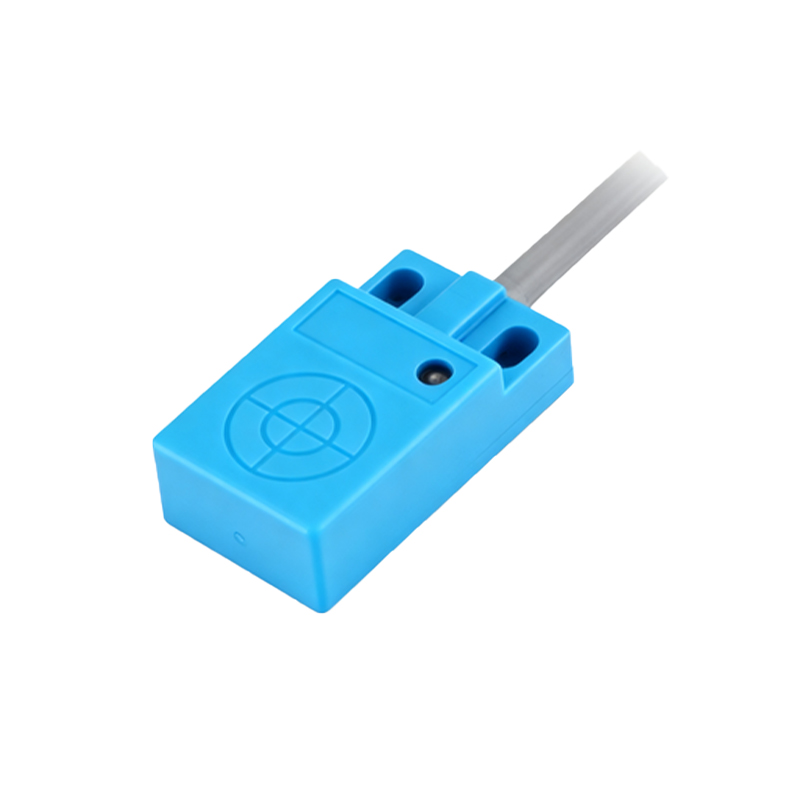
Selecting the appropriate non-ferrous proximity sensor requires a systematic approach. First, identify the target material—whether it's aluminum, copper, brass, or a specific plastic compound. Second, determine the required sensing distance, applying the manufacturer's stated reduction factor for the target material to ensure reliable operation. Third, consider the installation environment: temperature extremes, potential for chemical exposure, mechanical vibrations, or washdown requirements will dictate the housing material and ingress protection rating. Fourth, choose the correct electrical output and connection type to interface seamlessly with the PLC or controller. Finally, factor in regulatory requirements, such as FDA-approved materials for food contact or specific safety certifications for hazardous areas.
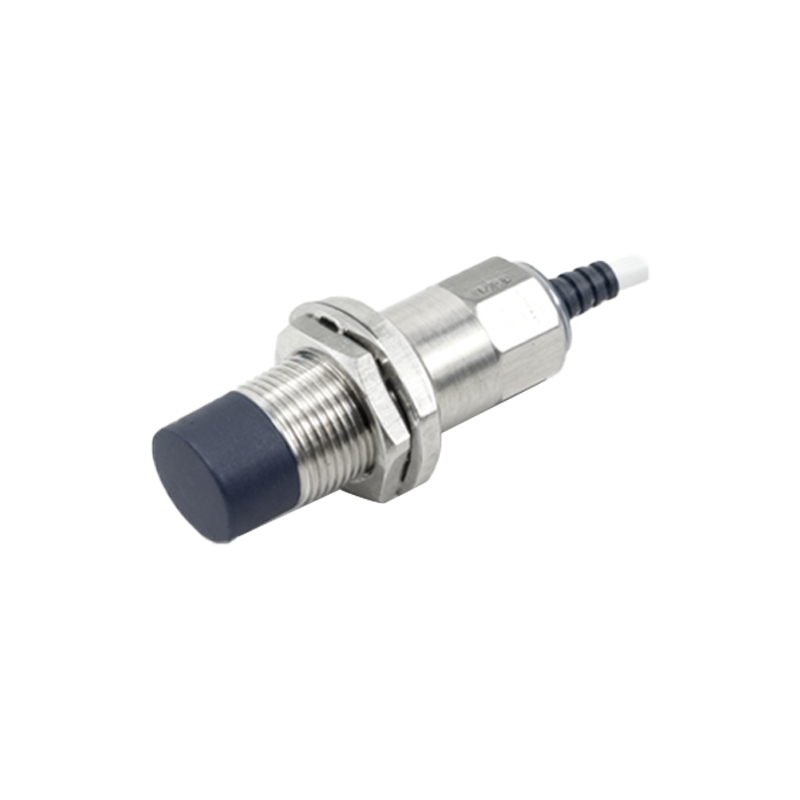
In conclusion, non-ferrous proximity sensors are critical enablers for automation systems dealing with diverse materials beyond iron and steel. Their specialized design, centered on sophisticated electronics to overcome the sensing challenges posed by low-conductivity or non-magnetic targets, provides the necessary reliability and precision. A thorough understanding of their operating principles, key specifications like the reduction factor, and a careful selection process based on the specific application parameters are essential for system integrators and engineers. By correctly implementing these sensors, industries can achieve higher levels of automation efficiency, quality control, and operational flexibility in handling modern materials.