In the competitive landscape of industrial automation, proximity sensors are indispensable components, enabling non-contact detection of objects with high precision and reliability. As an experienced electrical engineer, I often encounter inquiries regarding the factory pricing of these sensors. The cost is not a one-size-fits-all figure but a complex interplay of various technical and market-driven factors.
Firstly, the sensing technology fundamentally influences price. Inductive proximity sensors, designed for metal detection, are generally more affordable due to mature manufacturing processes. Capacitive sensors, capable of detecting both metallic and non-metallic materials, often carry a higher price tag due to their more complex circuitry and calibration requirements. Ultrasonic and photoelectric sensors, offering longer ranges and specialized capabilities, typically command premium prices. The choice of technology directly correlates with the application's demands and budget constraints.
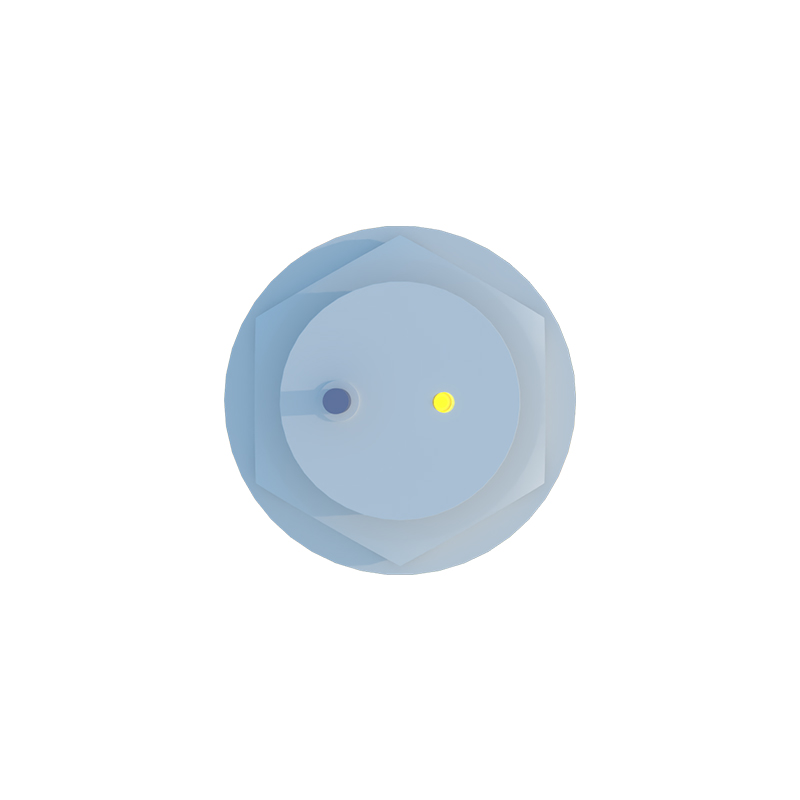
Secondly, performance specifications are critical cost drivers. Key parameters such as sensing range, repeat accuracy, response frequency, and environmental ratings (e.g., IP67, IP69K for washdown or harsh environments) significantly impact manufacturing costs. A sensor with a 15mm range and standard IP67 rating will be priced lower than one with a 40mm range, sub-millimeter accuracy, and an IP69K rating for food-grade applications. Higher performance necessitates superior materials, tighter tolerances, and more rigorous testing, all adding to the production expense.
Thirdly, the housing material and design contribute substantially to the final price. Standard cylindrical housings made of nickel-plated brass or stainless steel are common and relatively cost-effective. However, specialized form factors (e.g., rectangular, slot-style), or housings made from exotic materials like PEEK or PVDF for extreme chemical resistance, increase tooling and material costs. The trend towards miniaturization, requiring advanced micro-machining, also elevates the price.
Fourthly, output configuration and connectivity are pivotal. Basic two-wire DC sensors with PNP or NPN outputs are the most economical. Sensors with analog outputs (4-20mA, 0-10V), IO-Link digital communication, or advanced diagnostics integrate more electronics, driving up the unit cost. IO-Link sensors, while more expensive upfront, offer valuable data for predictive maintenance, which can justify the investment through reduced downtime.
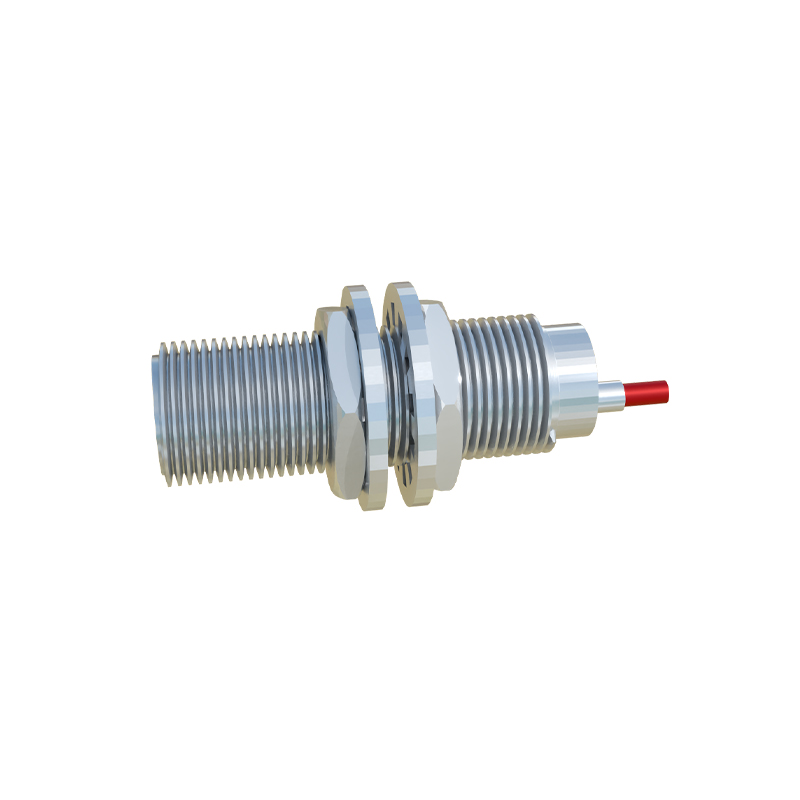
Fifthly, brand reputation, certification, and supply chain stability play crucial roles. Established brands with global certifications (e.g., UL, CE, ATEX for hazardous areas) often price their sensors higher, reflecting R&D investment, quality assurance, and reliability. Conversely, generic or unbranded sensors may offer lower factory prices but can pose risks regarding consistency, longevity, and technical support. Lead times and regional manufacturing hubs also affect pricing; local production might reduce logistics costs but involve higher labor expenses.
Furthermore, order volume remains a primary commercial factor. Manufacturers offer significant discounts for bulk purchases (e.g., thousands of units) due to economies of scale in production, procurement, and logistics. For small to medium orders, prices are higher per unit. It's advisable to consult directly with manufacturers or authorized distributors for volume quotations rather than relying on listed retail prices.
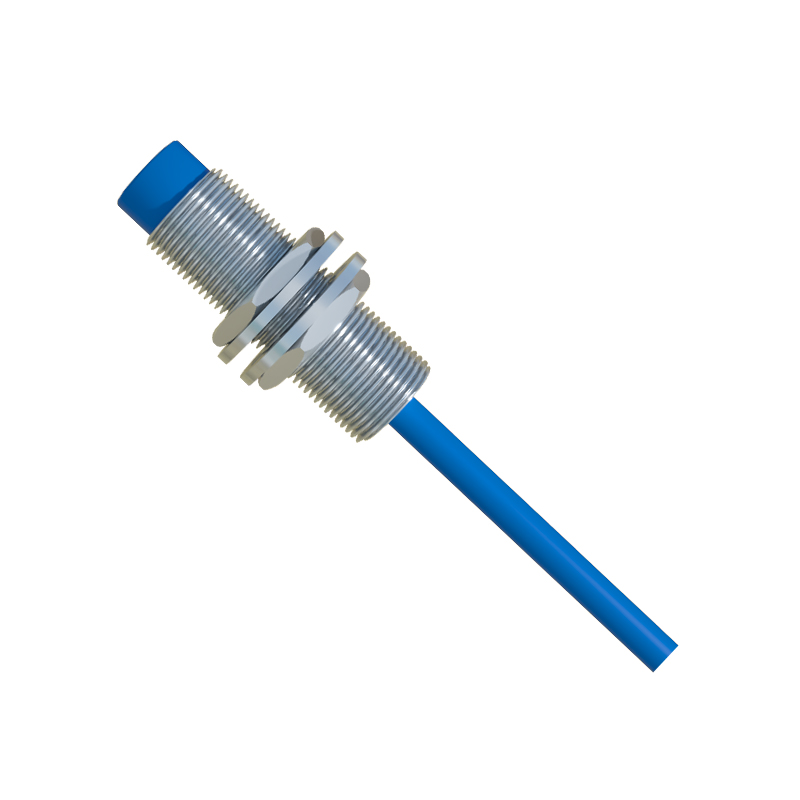
In conclusion, the factory price of a proximity sensor is a synthesis of its technological sophistication, performance grade, material quality, and market positioning. For procurement specialists and engineers, the focus should extend beyond initial cost to Total Cost of Ownership (TCO), considering factors like installation ease, maintenance needs, and compatibility with existing systems. Engaging with technical sales representatives to specify the exact requirements for your application—whether it's high-speed counting on a packaging line, position verification in machining, or detection in corrosive environments—ensures you obtain a sensor that offers optimal value, balancing performance, durability, and cost-effectiveness for your specific industrial challenge.