In the vast landscape of industrial automation, process control, and outdoor equipment, environmental conditions are rarely ideal. One of the most challenging factors for electronic components is sustained exposure to extreme cold. Standard proximity sensors, the workhorses of non-contact object detection, can falter when temperatures plummet, leading to unreliable operation, premature failure, and costly downtime. This is where low temperature resistant proximity sensors become not just an option, but a critical necessity. These specialized devices are engineered from the ground up to deliver consistent, accurate performance in sub-zero environments, ensuring continuity in applications where others cannot.
The core challenge of low-temperature operation lies in the fundamental behavior of materials and electronics. Conventional sensors face several specific issues in cold climates. Firstly, the lubricants used in mechanical components or seals can thicken or solidify, increasing mechanical resistance and potentially causing sluggish response or jamming. Secondly, the housing materials themselves may become brittle, losing their impact resistance and compromising the sensor's integrity. Most critically, the electronic components inside—semiconductors, capacitors, and especially the power source—experience significant performance degradation. Battery capacity can drop dramatically, and internal circuitry may operate outside its specified parameters, causing signal drift, reduced sensing range, or complete operational failure. Condensation and subsequent ice formation, due to thermal cycling, can also short-circuit internal electronics.
To combat these challenges, manufacturers of low temperature resistant proximity sensors employ a suite of design and material solutions. The selection of housing material is paramount. Specialized engineering plastics, such as certain polyamides or polyphenylene sulfide (PPS), or stainless-steel alloys are chosen for their ability to retain toughness and dimensional stability at temperatures as low as -40°C (-40°F) and beyond. These materials prevent cracking and ensure the enclosure protects the sensitive internals.
Internally, the design focuses on thermal management and component selection. Critical electronic components are specifically rated for extended low-temperature operation. The sensor's oscillator circuit, responsible for generating the electromagnetic or ultrasonic field, is stabilized to prevent frequency drift in the cold. Special low-temperature compatible lubricants are used for any moving parts or seals. Furthermore, advanced designs often incorporate protective measures against condensation. This can include conformal coatings on circuit boards, hermetic sealing filled with inert gas, or the use of breathable membranes that allow pressure equalization while blocking moisture ingress.
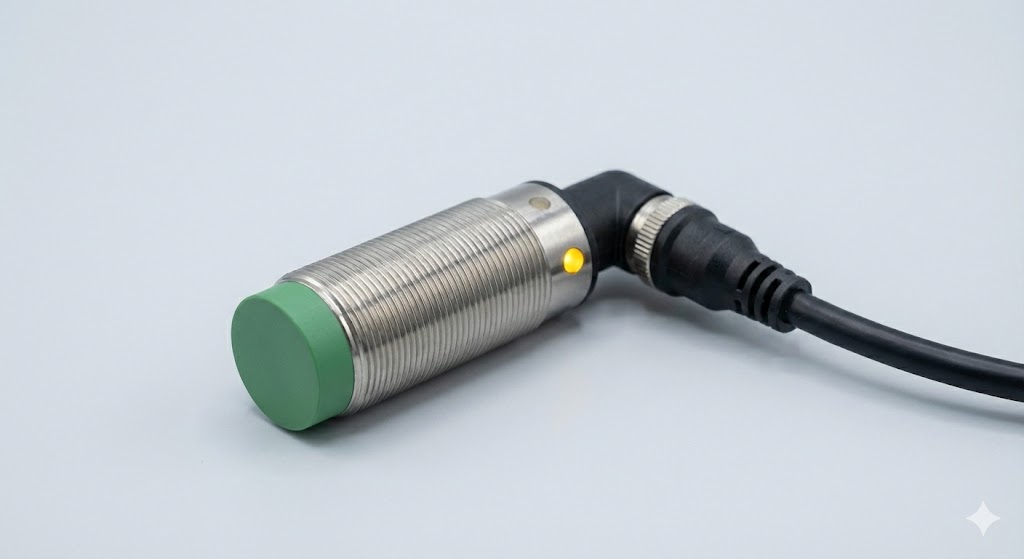
The applications for these robust sensors are diverse and vital. In the automotive industry, they are used in automated assembly lines within unheated factories and in testing facilities for vehicles destined for arctic climates. The food and beverage industry relies on them extensively in cold storage, freezing tunnels, and refrigerated logistics, where they monitor product presence on conveyor belts or control door positions. In outdoor applications, they are integral to automated parking systems, gate controls, and heavy machinery operating in winter conditions, such as forestry or mining equipment. Perhaps most critically, they play a role in energy sectors, including wind turbines in cold climates and monitoring systems in liquified natural gas (LNG) facilities, where temperatures are exceptionally low.
When selecting a low temperature resistant proximity sensor for a specific application, several key specifications must be evaluated beyond the standard sensing range and output type. The guaranteed operational temperature range is the most critical parameter, often specified as -40°C to +70°C or even wider. It is essential to ensure the sensor is rated for the minimum and maximum temperatures it will encounter. The ingress protection (IP) rating is equally important; a high IP67, IP68, or IP69K rating ensures protection against not just moisture but also ice and cleaning processes in cold environments. The thermal shock resistance, which indicates the sensor's ability to withstand rapid temperature changes without damage, is another vital consideration for applications moving between indoors and outdoors.
Installation and maintenance also require attention in cold settings. While the sensor itself is hardened, proper installation is key to long-term reliability. Cables must be rated for low-temperature flexibility to prevent cracking. Connectors should be securely sealed to prevent the ingress of moisture that can freeze. Even with a robust design, periodic visual inspections for ice buildup or physical damage are recommended as part of a preventive maintenance routine.
In conclusion, low temperature resistant proximity sensors represent a specialized and essential category of industrial components. By integrating advanced materials, carefully selected electronics, and intelligent design, they overcome the inherent limitations of standard sensors in frigid conditions. Their deployment ensures that automation systems remain reliable, safe, and efficient, regardless of how low the thermometer drops. For engineers and system integrators designing for harsh environments, specifying a sensor with proven low-temperature capabilities is a fundamental step in building resilient and dependable operational technology.