In the sleek, glass-and-metal rectangles we carry in our pockets, dozens of sophisticated components work in silent harmony. Among these unsung heroes is the proximity sensor, a tiny yet crucial piece of technology that profoundly shapes our daily interactions with smartphones. Far from being a mere technical specification, it is an invisible guardian, seamlessly enhancing usability, conserving power, and preventing accidental inputs.
At its core, a proximity sensor is a simple concept. It detects the presence of nearby objects without any physical contact. In mobile phones, this is most commonly achieved using an infrared (IR) LED and an IR light detector. When you raise the phone to your ear during a call, the IR LED emits a beam of invisible light. If an object—like your face—is close, that light reflects back and is captured by the detector. The phone's processor interprets this signal and immediately commands the touchscreen to turn off. This primary function solves a fundamental nuisance: it prevents your cheek or ear from accidentally muting the call, launching apps, or even hanging up. The moment you pull the phone away, the screen illuminates again, ready for you to use the keypad or switch to speakerphone.
The benefits extend far beyond call management. This automatic screen blanking is a significant battery saver. With the display being one of the most power-hungry components, disabling it during calls or when stowed in a dark pocket conserves precious energy, subtly extending your phone's uptime. Furthermore, it protects the screen from wear and tear and prevents unintended interactions in your bag or pocket, a feature users often take for granted until they experience a phone without a well-calibrated sensor.
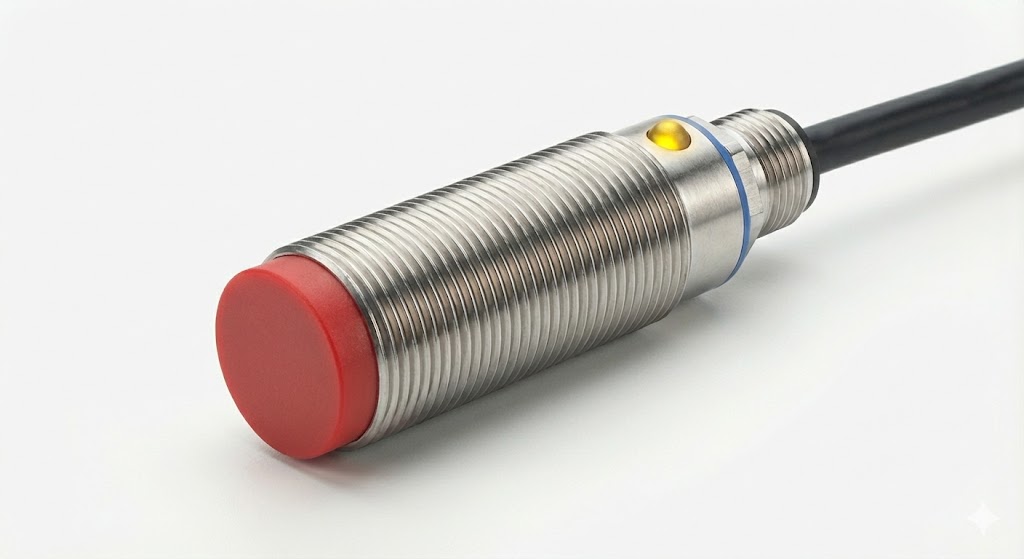
Modern implementations have evolved. Some devices combine the proximity sensor with an ambient light sensor in a single module. Advanced algorithms allow these sensors to distinguish between a pocket (where the screen should stay off) and a dimly lit room (where the screen brightness should merely adjust). This intelligence prevents the frustrating scenario of the screen refusing to turn on simply because you are in a dark environment.
The technology behind these sensors isn't static. While IR-based sensors dominate, some manufacturers experiment with time-of-flight (ToF) sensors or even use sophisticated software algorithms paired with the front-facing camera and machine learning to infer proximity. These methods can offer greater accuracy or enable new features, like quickly silencing alarms or pausing videos when you look away from the screen.
However, the magic of a good proximity sensor lies in its imperceptibility. When it works perfectly, you never think about it. You only notice its importance when it malfunctions. A speck of dust, a poorly fitted screen protector, or a software glitch can cause the screen to go black prematurely during a call or fail to turn off, leading to "cheek-dialing." This immediate disruption to a basic function highlights how integral this component is to a smooth user experience.
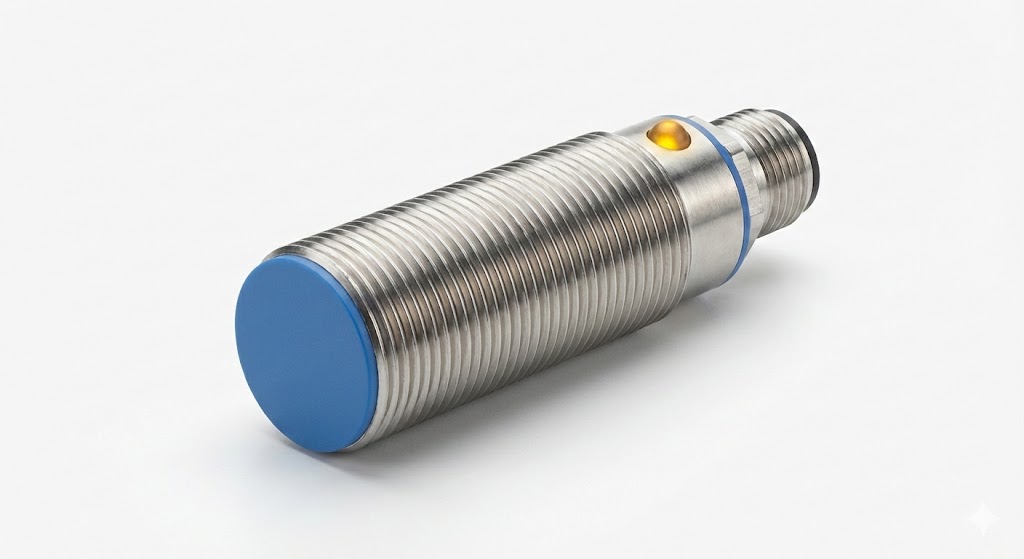
From a design perspective, the sensor is a key consideration. Engineers and designers work meticulously to hide the small black dot housing the sensor within the phone's bezel or within the dynamic island of a display cutout, maintaining the device's aesthetic appeal without compromising functionality. Its calibration is also critical, requiring precise tuning during manufacturing to define the exact distance at which it triggers.
Looking ahead, the role of proximity sensing may expand within the broader context of context-aware computing. As phones strive to become more anticipatory, understanding when they are being glanced at, picked up, or set down—through a fusion of sensor data—will enable even more intuitive and energy-efficient behaviors. It remains a foundational element in making our devices not just smart, but also polite and considerate in their interactions.
In conclusion, the proximity sensor is a paradigm of elegant engineering: solving a clear, practical problem with a reliable, low-power, and invisible solution. It exemplifies how the most impactful technologies in our smartphones are often the ones we never see, quietly ensuring that our digital interactions feel natural, effortless, and uninterrupted.