In the realm of industrial automation and precision measurement, laser proximity sensors have emerged as a cornerstone technology, enabling unprecedented levels of accuracy, reliability, and efficiency. These sophisticated devices are fundamentally optoelectronic systems designed to detect the presence, absence, or precise distance of an object without any physical contact. Operating on the principle of triangulation or time-of-flight measurement, they project a focused laser beam onto a target. The sensor then analyzes the reflected light to determine critical positional data.
The core working principle can be broken down into two primary methodologies. The first, laser triangulation, is ideal for high-precision, short-range applications. Here, a laser diode emits a visible or infrared spot onto the target. The reflected light is focused onto a position-sensitive detector, such as a CCD or CMOS array. As the target's distance changes, the position of the light spot on the detector shifts linearly. By calculating this shift, the sensor's internal processor determines the exact distance with micron-level resolution. The second method, time-of-flight (ToF), measures the time delay between the emission of a laser pulse and the detection of its reflection. Given the constant speed of light, this time interval is directly proportional to the distance to the target. ToF sensors are typically used for longer ranges, from several centimeters up to many meters, with high-speed response times.
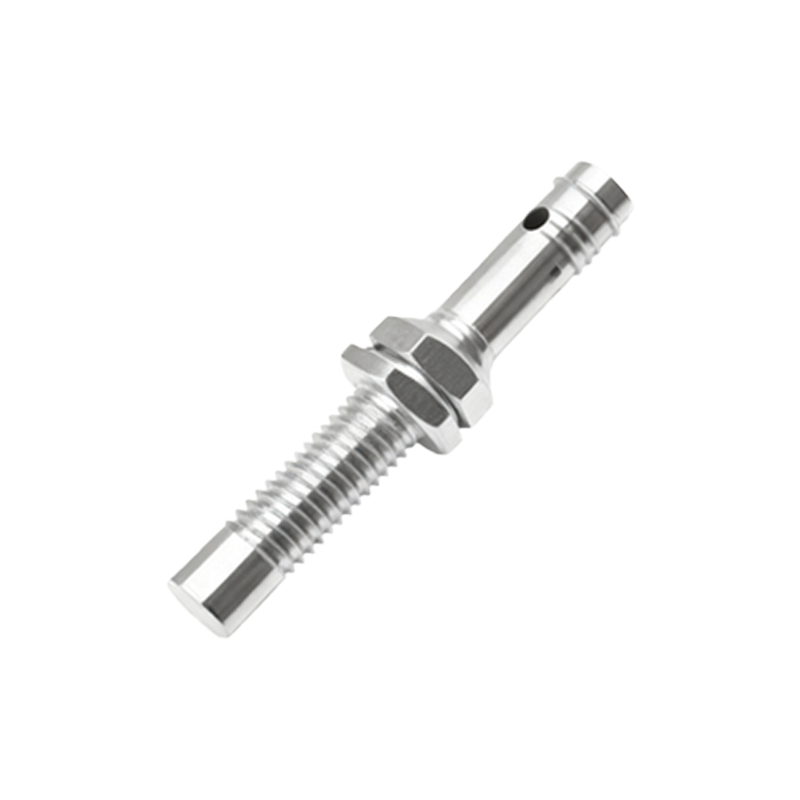
The advantages of laser proximity sensors over other sensing technologies, such as inductive, capacitive, or ultrasonic sensors, are substantial. Their most prominent feature is exceptional accuracy and resolution, capable of detecting minute changes in position. They offer a very small spot size due to the laser's coherent light, allowing for the detection of tiny objects or precise edges. Furthermore, they are largely material-independent; they can reliably detect objects regardless of color, material composition (metal, plastic, glass, etc.), or surface texture, although highly reflective or absorbent surfaces may require specific calibration. Their non-contact nature eliminates mechanical wear and tear, ensuring long-term stability and reducing maintenance needs. High switching frequencies enable their use in dynamic, high-speed production lines for tasks like part counting, jam detection, or robotic guidance.
Typical applications span across diverse industries. In automotive manufacturing, they are used for gap and flush measurement on vehicle body panels, weld seam tracking, and robot cell safety. In electronics assembly, they verify component placement height on PCBs and inspect solder paste volume. In packaging, they control fill levels, detect label presence, and ensure precise cutting positions. Logistics and warehousing utilize them for palletizing, dimensioning packages, and automated guided vehicle (AGV) navigation. Their role in quality control is indispensable, providing verifiable data for process validation and traceability.
Selecting the appropriate laser proximity sensor requires careful consideration of several parameters. The measuring range defines the minimum and maximum distances over which the sensor operates effectively. Resolution specifies the smallest distance change the sensor can detect. Repeatability indicates the consistency of measurements under unchanged conditions. The response time, or switching frequency, determines how quickly the sensor can output a signal, crucial for high-speed applications. Environmental factors are also critical; industrial settings may necessitate models with robust housings (IP67/IP69K ratings), resistance to vibrations, and immunity to ambient light interference. Modern sensors often feature integrated IO-Link communication, allowing for digital parameter setting, remote diagnostics, and seamless integration into Industry 4.0 and IIoT frameworks for predictive maintenance and data analytics.
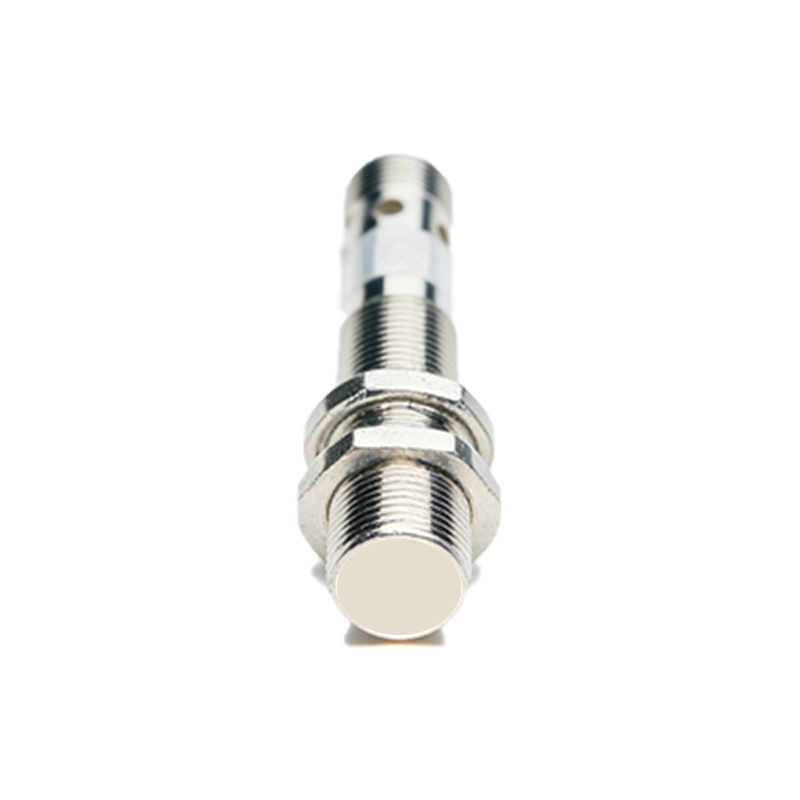
In conclusion, laser proximity sensors represent a vital fusion of optics, electronics, and software, delivering precise, non-contact measurement solutions that drive modern industrial automation. Their ability to provide reliable data under challenging conditions makes them an essential tool for enhancing productivity, ensuring quality, and enabling smarter, more adaptive manufacturing processes. As technology advances, we can expect further miniaturization, enhanced connectivity, and even greater precision, solidifying their role in the factories of the future.