In industrial automation and control systems, proximity switches play a critical role in detecting the presence or absence of objects without physical contact. Among various configurations, 4-wire sensors are widely utilized due to their versatility and reliability. This article delves into the fundamentals of 4-wire sensor wiring for proximity switches, covering principles, installation practices, and common applications.
A 4-wire proximity switch typically consists of two power supply wires and two output wires. The power wires connect to a DC voltage source, commonly 10-30 VDC, providing the necessary energy for the sensor's internal circuitry. The output wires deliver the switching signal, which can be either normally open (NO) or normally closed (NC), depending on the design and requirements. This configuration allows for separate power and signal paths, enhancing noise immunity and simplifying troubleshooting.
Wiring a 4-wire sensor involves several key steps. First, ensure the power supply matches the sensor's specifications, as incorrect voltage can lead to malfunction or damage. Connect the positive (+) and negative (-) power wires to the corresponding terminals on the sensor. Next, link the output wires to the load, such as a programmable logic controller (PLC) input, relay, or indicator. It is crucial to observe polarity for the output if the sensor has a defined positive and negative output terminal. Shielded cables are recommended for environments with electromagnetic interference (EMI) to maintain signal integrity.
One significant advantage of 4-wire sensors is their ability to provide both sinking and sourcing outputs. In sinking (NPN) configuration, the output switches the negative side of the load, while in sourcing (PNP) setup, it switches the positive side. This flexibility allows integration with various control systems worldwide. Additionally, 4-wire sensors often include diagnostic features like short-circuit protection and LED indicators, aiding in maintenance and reducing downtime.
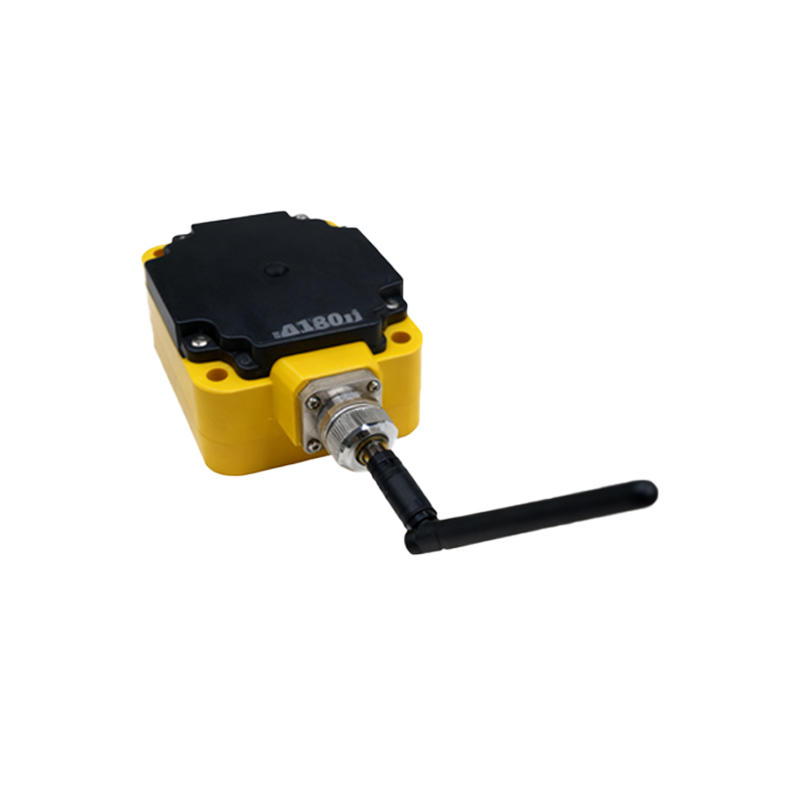
Common applications include position sensing in conveyor systems, object detection in packaging machinery, and safety interlocks in robotic cells. For instance, in automotive assembly lines, 4-wire inductive proximity switches detect metal components with high precision, ensuring smooth operations. When installing, consider factors like sensing distance, environmental conditions (e.g., temperature, humidity), and material compatibility to optimize performance.
Regular maintenance, such as checking connections for corrosion and verifying signal stability, prolongs sensor life. Always refer to the manufacturer's datasheet for specific wiring diagrams and guidelines. By mastering 4-wire sensor wiring, engineers can enhance system efficiency and reliability in diverse industrial settings.