Proximity sensors are indispensable components in modern industrial automation, and the 50 series proximity sensors represent a significant advancement in this field. Designed for robust performance in demanding environments, these sensors offer reliable non-contact detection of metallic objects, making them ideal for a wide range of applications from assembly lines to material handling systems.
The 50 proximity sensor operates primarily on the principle of electromagnetic induction. It generates an oscillating electromagnetic field from its sensing face. When a metallic target enters this field, eddy currents are induced within the target, causing a change in the oscillation amplitude or frequency within the sensor's internal circuit. This change is detected and processed, resulting in a switching output signal. This fundamental operating principle allows for detection without physical contact, thereby eliminating mechanical wear and enabling high-speed operation.
A key feature of the 50 series is its standardized sensing distance of up to 50 mm for certain ferrous metals, providing a generous operational margin for positioning and alignment tasks. This standardized range simplifies system design and integration. The sensors are typically housed in rugged, cylindrical metal or high-grade polymer casings, rated for IP67 or higher ingress protection. This ensures reliable operation in the presence of dust, coolants, and temporary immersion, which are common in industrial settings.
Output configurations are versatile, including NPN (sinking), PNP (sourcing), and analog (4-20 mA or 0-10 V) options. The NPN and PNP transistor outputs provide a clean, solid-state switch for PLCs (Programmable Logic Controllers) and other control systems, while analog outputs offer proportional distance measurement for more nuanced control applications. Many models also feature built-in diagnostics, such as LED status indicators for power and output state, which are crucial for rapid troubleshooting and maintenance.
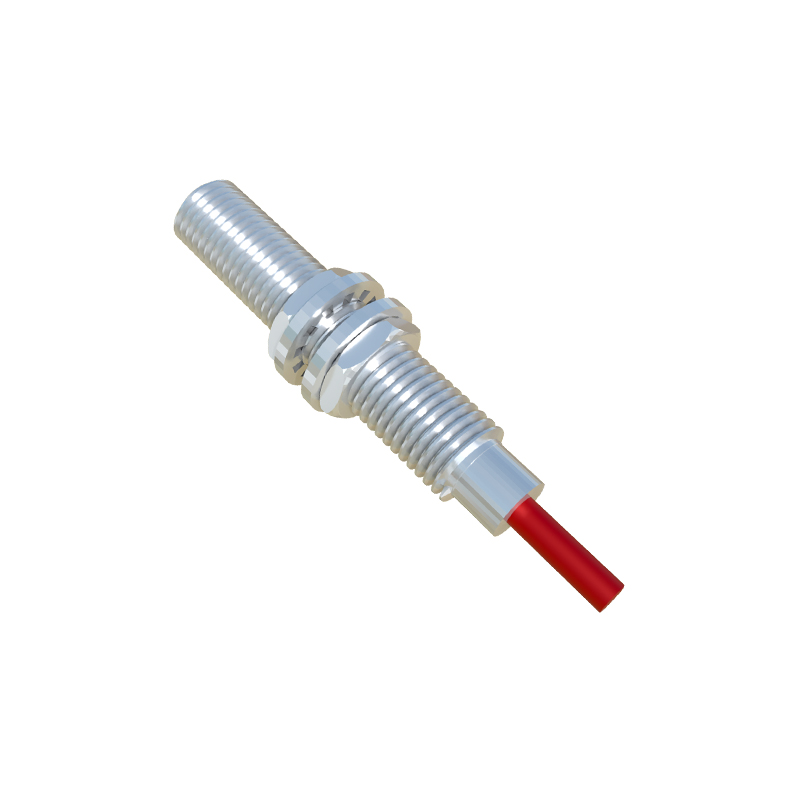
When selecting a 50 proximity sensor for an application, several critical factors must be considered. First, the target material is paramount. While optimized for steel, the effective sensing distance for non-ferrous metals like aluminum, brass, or copper is typically reduced, often by 30-60%. Engineers must consult the sensor's specification sheet for derating factors. Second, the mounting environment is critical. Flush-mountable models can be installed without a lateral clearance zone, whereas non-flush models require space around the sensing face to avoid interference from surrounding metal. Vibration, temperature extremes, and exposure to strong electromagnetic fields are other environmental factors that can influence sensor selection and longevity.
Installation and wiring require careful attention. Proper mounting torque must be applied to avoid damaging the housing or threads. Cables should be routed away from high-power lines to prevent electrical noise interference. For DC models, correct polarity must be observed. Regular maintenance, though minimal, involves periodic cleaning of the sensing face to remove debris, oil, or metal chips that could attenuate the sensing field and reduce effective range.
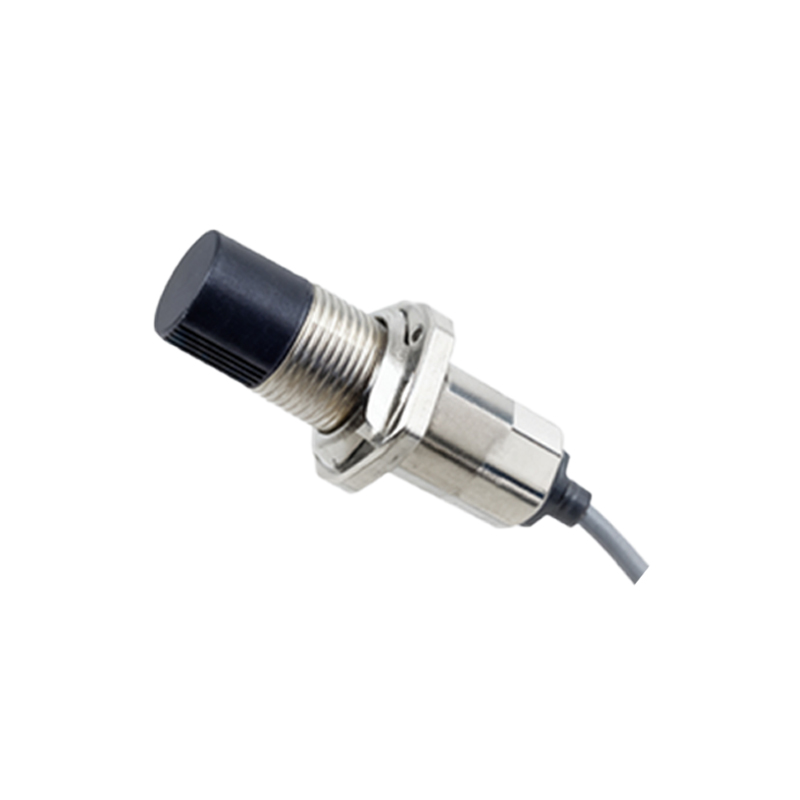
The applications for 50mm range proximity sensors are extensive. In automotive manufacturing, they are used for part presence verification, robotic end-effector positioning, and pallet counting. In packaging machinery, they detect the position of foil lids or metallic components on conveyor belts. In metalworking, they serve as limit switches for CNC machine tools or position feedback for hydraulic cylinders. Their reliability and speed make them fundamental to Industry 4.0 and smart factory concepts, where precise, real-time data on machine and part position is essential.
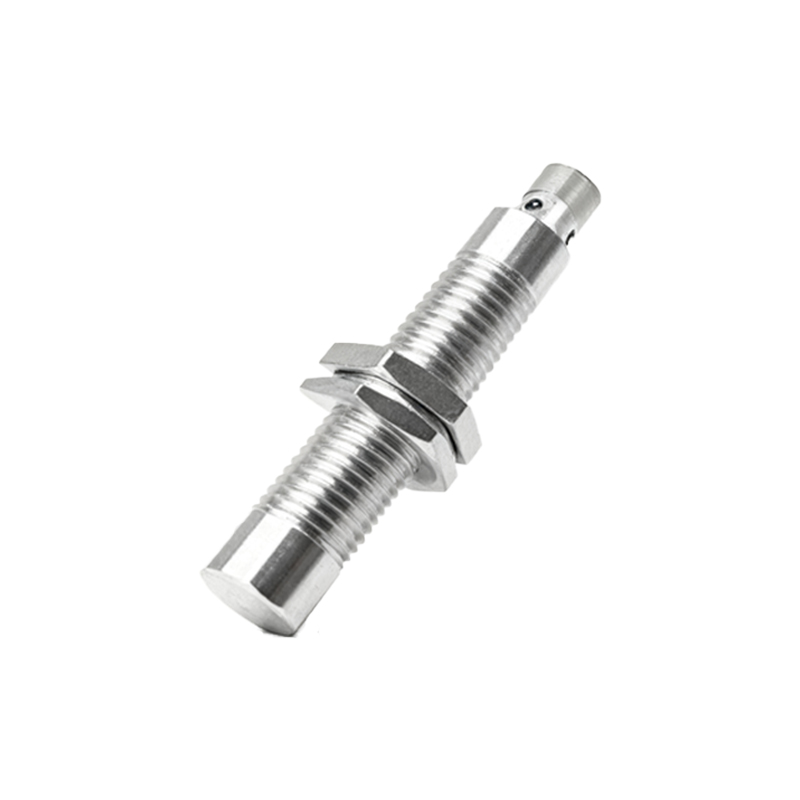
In conclusion, the 50 series proximity sensor is a workhorse of industrial sensing. Its combination of a substantial sensing range, environmental resilience, and electrical flexibility makes it a preferred choice for engineers designing automated systems. By understanding its operating principles, key specifications, and application considerations, professionals can effectively integrate these sensors to enhance machine safety, improve process reliability, and increase overall production efficiency.