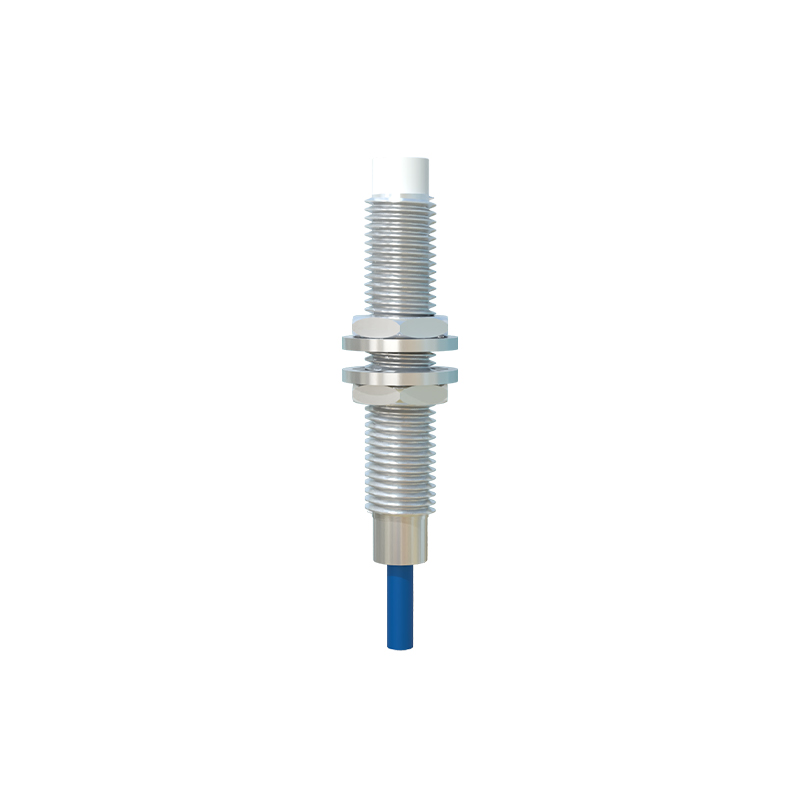
In the realm of industrial automation and machine safety, proximity sensors are ubiquitous components. A common question that arises among engineers, technicians, and those new to the field is: Do proximity sensors need to physically contact metal to function? The straightforward answer is no. Proximity sensors are fundamentally designed as non-contact detection devices. Their core operating principle is based on detecting the presence or absence of a target object without any mechanical touch. This non-contact nature is precisely what grants them significant advantages in terms of reliability, longevity, and application flexibility.
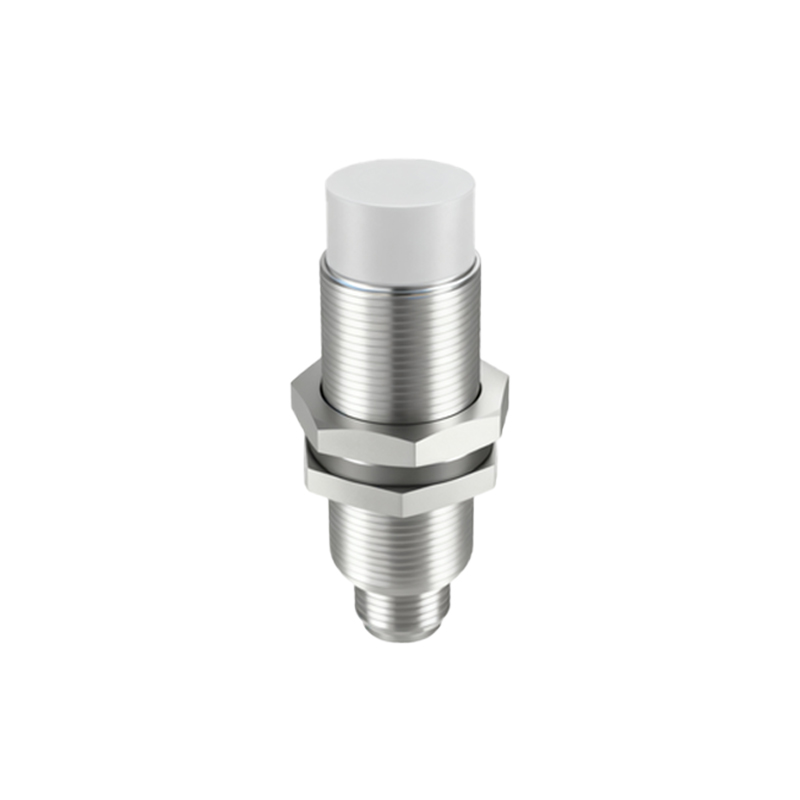
To understand why contact is unnecessary, it's essential to delve into the primary technologies employed. The most common types for metal detection are inductive proximity sensors. These sensors generate an electromagnetic field from an oscillator circuit within their sensing face. When a metallic object enters this active field, eddy currents are induced on the surface of the metal. This process causes a change in the oscillation amplitude or frequency within the sensor's internal circuit. The sensor's detection circuit monitors this change and triggers a solid-state output switch (PNP or NPN) accordingly. The sensing distance, or 'switching distance,' depends on factors like the sensor's design, the size and material of the target metal (with factors for different metals like steel, aluminum, or brass), and installation conditions. Standardized nominal sensing distances (Sn) are provided in datasheets. Crucially, this entire interaction occurs through an air gap; physical contact is not required and is often discouraged to prevent damage.
Other technologies, such as capacitive proximity sensors, can detect both metallic and non-metallic materials (like plastics, liquids, or wood) by sensing changes in capacitance. Even magnetic sensors (like reed switches or Hall effect sensors) used to detect permanent magnets operate without contact. The unifying theme across all true proximity sensor technologies is the absence of physical interaction with the target.
The requirement for the target to be metallic is specific to inductive sensors. This specificity makes them ideal for harsh industrial environments where dirt, oil, or coolant might obscure optical sensors, or where physical contact from limit switches would lead to premature wear. Applications are vast: counting metal parts on a conveyor, determining the position of a machine tool slide or cylinder piston (via a metal flag), detecting the presence of a gear tooth, or providing end-of-travel verification in automated systems. In all these cases, the sensor is mounted with a precise gap between its face and the expected path of the metal target.
However, it is critical to distinguish proximity sensors from devices that do require contact. Limit switches, for example, are electromechanical devices that physically actuate when an object presses against their lever or plunger. While they might be used for similar positional feedback, their operation is fundamentally contact-based. Proximity sensors offer a superior alternative in scenarios demanding high-speed counting, frequent operation cycles, or where contact would mar the target surface.
Several practical considerations stem from this non-contact operation. First, mounting and alignment are crucial. The sensor must be positioned so the target passes within its specified sensing range. Second, the sensing range is not infinite and is influenced by the target material's properties. For instance, an inductive sensor's range for mild steel is its standard rating; for stainless steel, it might be reduced, and for aluminum or copper, it is typically even less. Engineers must consult correction factors. Third, environmental factors like extreme temperatures, strong electromagnetic interference, or the presence of other metals in the background (producing a shielding effect) can influence performance.
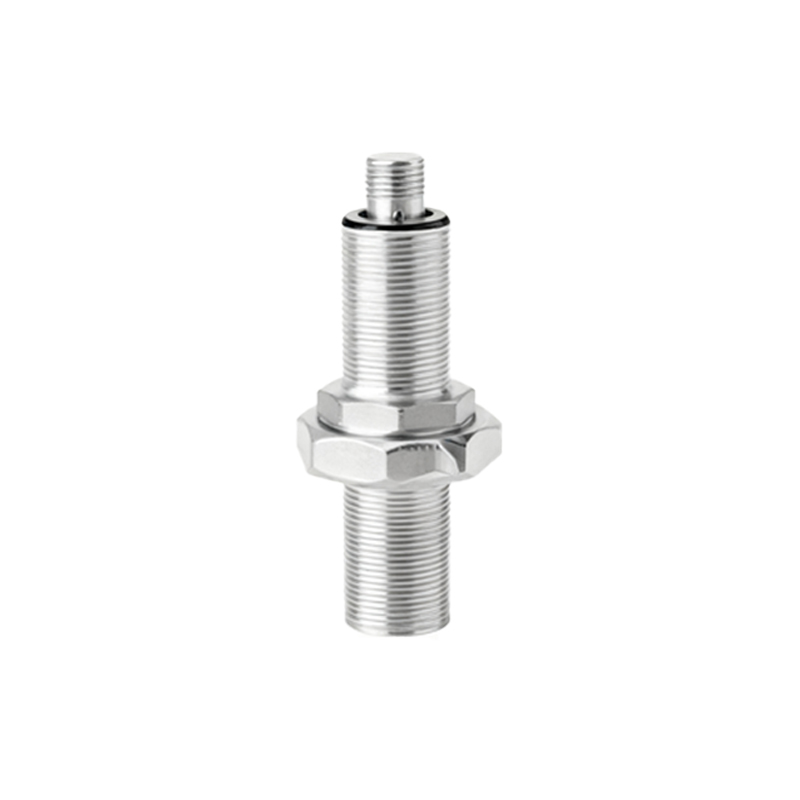
In summary, proximity sensors, particularly inductive ones designed for metal detection, operate on a principle that explicitly eliminates the need for physical contact. They detect metallic targets through electromagnetic field interaction across an air gap. This non-contact functionality is a defining characteristic that enables their durability, high operational speed, and suitability for demanding industrial applications. When selecting a sensor for a metal detection task, the focus should be on choosing the correct technology (inductive), specifying the appropriate sensing distance and material correction factors, and ensuring proper installation—all with the understanding that a physical touch between the sensor and the target is neither intended nor necessary for successful operation.
SEO Keywords:proximity sensors, inductive sensor, non-contact detection, metal detection, industrial automation
SEO Description:Proximity sensors, especially inductive types, detect metal targets without physical contact using electromagnetic fields. This article explains their non-contact operation, advantages, and key application considerations in automation.