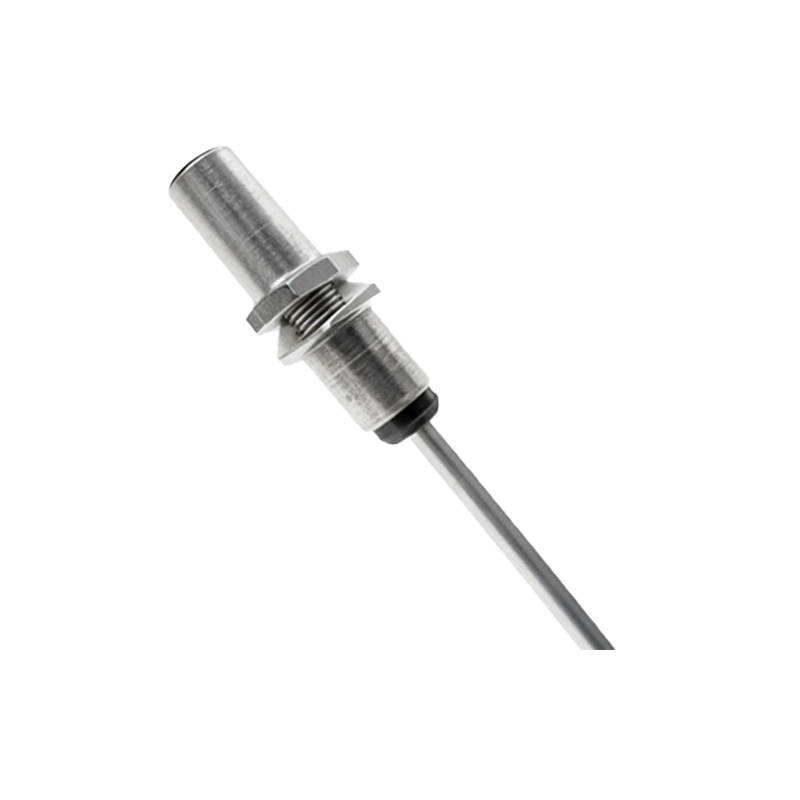
In the industrial and automotive sectors, oil temperature proximity sensors are critical components for monitoring machinery health and preventing failures. These sensors detect temperature changes in lubricating or hydraulic oils, providing real-time data to control systems. The cost of an oil temperature proximity sensor varies widely based on factors such as type, brand, specifications, and application requirements. Generally, prices range from $20 to $500 or more per unit, with bulk purchases often offering discounts.
Basic models, like resistive temperature detectors (RTDs) or thermocouples, are typically on the lower end of the price spectrum, costing between $20 and $100. These sensors are suitable for standard applications where high precision isn't critical. Mid-range sensors, which include advanced features like digital output, higher accuracy, or ruggedized designs for harsh environments, can cost from $100 to $300. These are common in automotive, manufacturing, and energy industries where reliability is key.
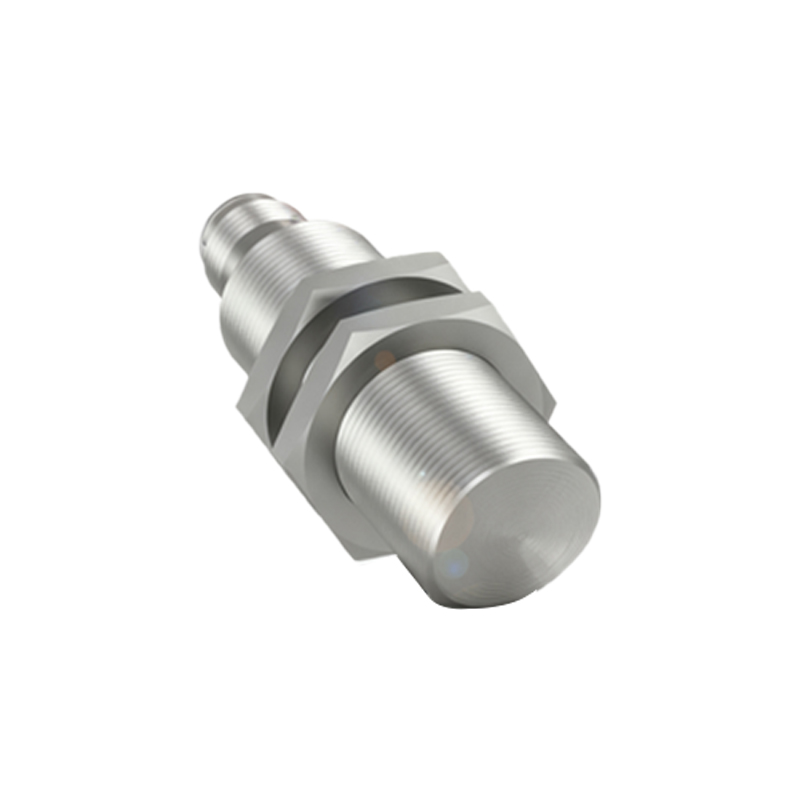
High-end oil temperature proximity sensors, often used in aerospace, marine, or heavy machinery, may exceed $300, reaching up to $500 or more. These units offer superior durability, extended temperature ranges, and certifications for safety standards. Brands like Siemens, Honeywell, or TE Connectivity tend to command premium prices due to their reputation for quality and support. Additionally, costs can be influenced by customization options, such as specific probe lengths, connector types, or integration with IoT systems for smart monitoring.
When budgeting for an oil temperature proximity sensor, consider not just the initial purchase price but also installation, maintenance, and potential downtime costs. Cheaper sensors might save money upfront but could lead to higher expenses from frequent replacements or system failures. It's advisable to consult with suppliers or engineers to match the sensor to your operational needs, ensuring optimal performance and cost-efficiency. Overall, investing in a reliable sensor can enhance equipment longevity and reduce long-term operational risks.