In the realm of industrial automation, precision, reliability, and durability are non-negotiable. Among the myriad of components that ensure seamless operations, inductive proximity sensors stand out for their critical role in non-contact metal detection. The PRD12 series represents a pinnacle in this technology, engineered to meet the rigorous demands of modern manufacturing, packaging, material handling, and automotive assembly lines.
The PRD12 is a cylindrical, self-contained inductive proximity switch designed specifically for the detection of ferrous and non-ferrous metals. Its operating principle is based on electromagnetic induction. The sensor generates an oscillating electromagnetic field from its active face. When a metal target enters this field, eddy currents are induced within the metal, causing a change in the oscillation amplitude. This change is detected by the sensor's internal circuitry, which subsequently triggers a solid-state switching output. This entire process occurs without any physical contact, eliminating mechanical wear and tear and ensuring a long operational life, often rated in millions of cycles.
One of the defining features of the PRD12 is its robust construction. Housed in a nickel-plated brass or stainless-steel barrel, it offers exceptional resistance to corrosion, oils, coolants, and dust ingress, typically conforming to IP67 or higher protection ratings. This makes it perfectly suited for harsh industrial environments where exposure to contaminants is common. The sensor is available in both shielded (flush-mountable) and unshielded (non-flush-mountable) variants. The shielded type can be embedded in metal without affecting its sensing characteristics, while the unshielded type offers a slightly longer sensing range.
The sensing range, a critical parameter, varies by model but is optimized for precise detection. For a standard PRD12-4DN model, the nominal sensing distance (Sn) is 4mm. It is crucial to note that the effective sensing distance can be influenced by the target material's properties, such as its size, shape, and specific alloy. Factory calibration is typically done using a mild steel square target of standard dimensions. For other metals like aluminum, brass, or copper, a reduction factor must be applied, as these materials induce weaker eddy currents.
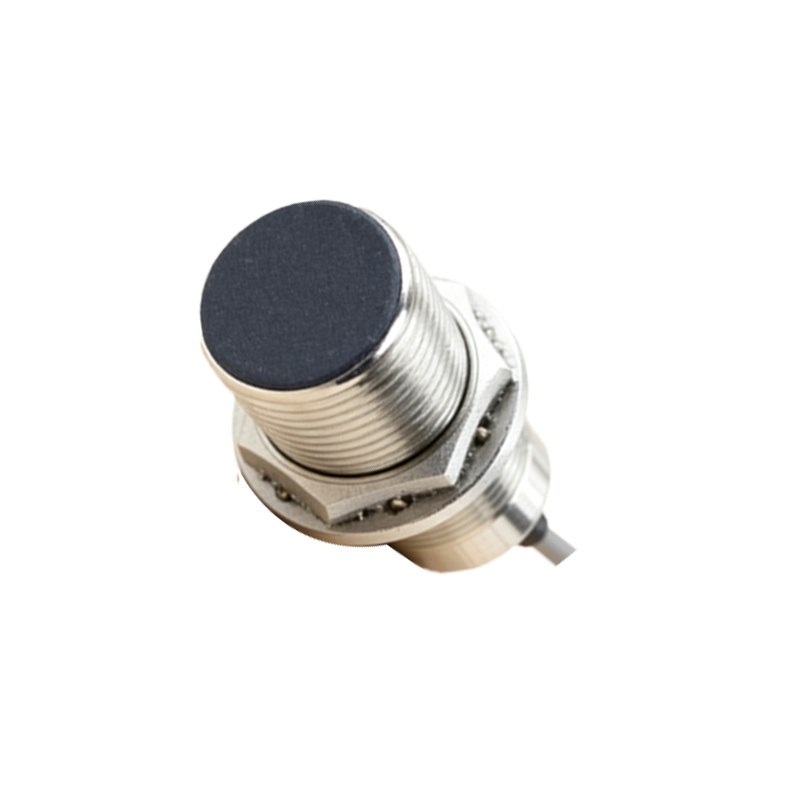
Electrical integration is straightforward. The PRD12 series commonly features a 3-wire DC configuration (brown for +V, blue for 0V, and black for the output signal) with PNP (sourcing) or NPN (sinking) transistor outputs. This compatibility with standard programmable logic controllers (PLCs) and industrial control systems allows for easy installation and wiring. The LED status indicator provides immediate visual feedback on power and switching state, greatly aiding in setup and troubleshooting.
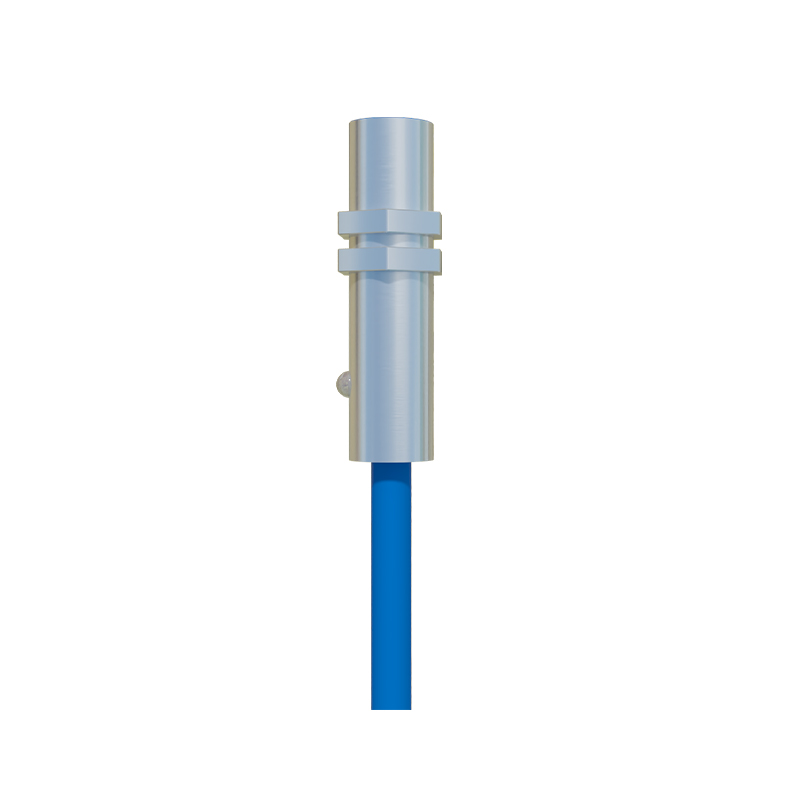
Performance under challenging conditions is where the PRD12 truly excels. It boasts excellent immunity to electromagnetic interference (EMI), ensuring stable operation even in electrically noisy environments near variable frequency drives (VFDs) or welding equipment. Furthermore, its switching frequency is high enough to detect fast-moving objects on conveyor lines, enabling precise counting, positioning, and end-of-travel limit applications.
When selecting a PRD12 sensor, engineers must consider several application-specific factors: the required sensing distance, the target material and size, the operating voltage (commonly 10-30V DC), the required output type, environmental conditions (temperature, presence of chemicals), and the mounting constraints. Proper installation is key; maintaining the correct gap between the sensor face and the target, as well as ensuring it is free from adjacent metal interference (for unshielded models), guarantees optimal performance.
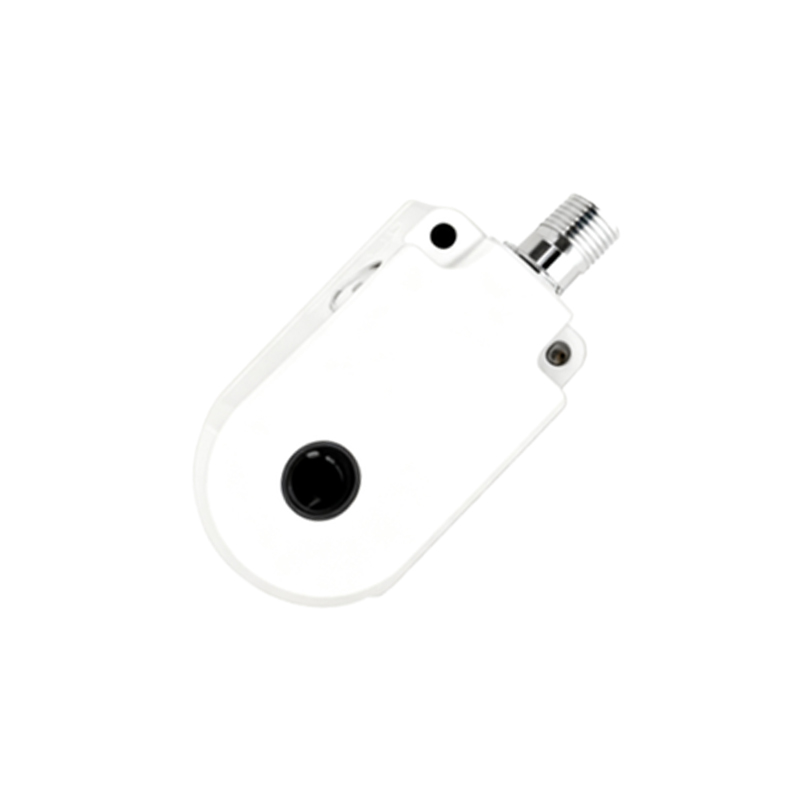
In summary, the PRD12 inductive proximity sensor is a workhorse of industrial sensing. Its contactless operation, rugged design, and consistent accuracy make it an indispensable component for automating metal detection tasks. From ensuring a robotic gripper has picked up a part to verifying the presence of a cap on a bottle on a high-speed line, the PRD12 delivers the reliability that modern industry depends on for efficiency, safety, and quality control. Its design philosophy centers on providing a maintenance-free, long-life solution that reduces downtime and contributes to a leaner, more productive operation.