In the dynamic landscape of industrial automation, metal proximity sensors have emerged as critical components for enhancing efficiency, safety, and precision across various sectors. Sanshui District, a burgeoning hub for electrical and manufacturing industries in China, hosts a cluster of specialized companies that excel in the design, production, and application of these advanced sensing devices. This article delves into the key players, technological innovations, and industry trends shaping the metal proximity sensor market in Sanshui, offering insights into why this region has become a focal point for global supply chains.
Metal proximity sensors are non-contact devices that detect the presence or absence of metallic objects using electromagnetic fields, inductive principles, or capacitive technologies. They are widely employed in automotive manufacturing, packaging machinery, robotics, and conveyor systems, where reliable detection is paramount. Companies in Sanshui District have leveraged local expertise in electrical engineering and manufacturing to develop sensors that meet stringent international standards, such as IP67 ratings for dust and water resistance, and compliance with CE and RoHS directives.
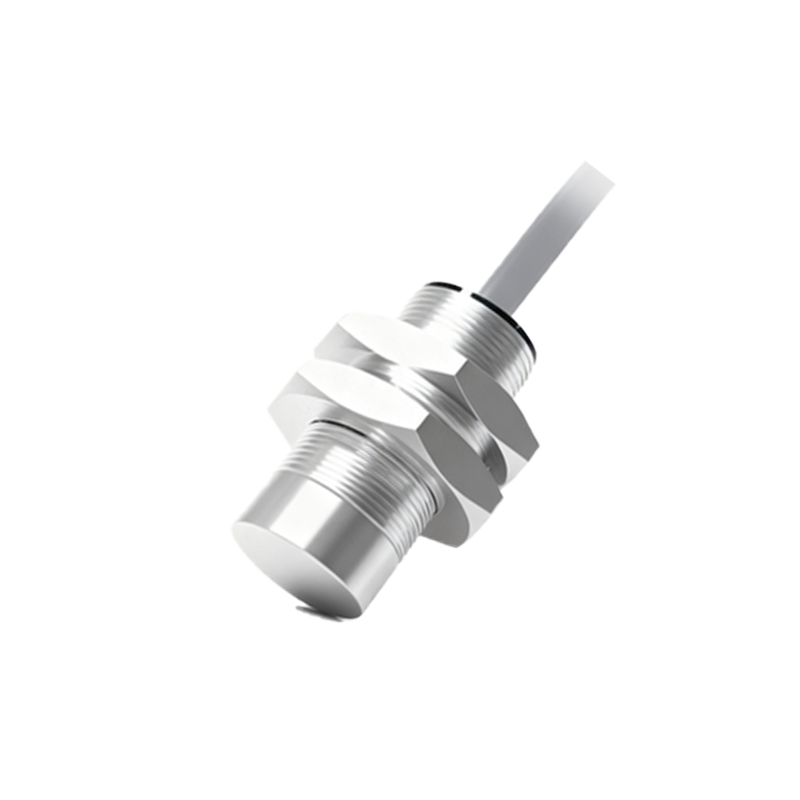
One of the standout features of Sanshui-based manufacturers is their commitment to innovation. Many firms invest heavily in research and development to produce sensors with enhanced sensitivity, longer operational lifespans, and reduced power consumption. For instance, some companies have introduced compact, high-frequency models capable of detecting ferrous and non-ferrous metals at distances up to 15 millimeters, even in harsh industrial environments with high temperatures or vibration. These advancements are driven by collaborations with academic institutions and adoption of Industry 4.0 practices, integrating IoT capabilities for real-time monitoring and predictive maintenance.
The competitive edge of Sanshui's metal proximity sensor companies also lies in their customization capabilities. Clients from sectors like automotive, aerospace, and consumer electronics often require tailored solutions to fit specific assembly lines or machinery. Local engineers work closely with customers to design sensors with unique housing materials, connector types, and output signals (e.g., NPN or PNP configurations). This flexibility has attracted partnerships with multinational corporations, reinforcing Sanshui's reputation as a reliable sourcing destination.
Moreover, sustainability and cost-efficiency are central to the operations in Sanshui. Companies prioritize eco-friendly manufacturing processes, utilizing recyclable materials and minimizing waste. By optimizing production scales, they offer competitive pricing without compromising quality, making their sensors accessible to small and medium enterprises globally. Supply chain resilience is another strength, with many firms maintaining robust logistics networks to ensure timely delivery, even amid global disruptions.
Looking ahead, the metal proximity sensor industry in Sanshui District is poised for growth, fueled by trends like smart factories and autonomous systems. Emerging technologies, such as AI-enhanced sensing and wireless connectivity, are being integrated into new product lines. Companies are also expanding into niche markets, including renewable energy and medical devices, where precision detection is crucial. For businesses seeking reliable, innovative sensing solutions, Sanshui's ecosystem offers a compelling blend of expertise, adaptability, and value.
In conclusion, Sanshui District stands as a vital contributor to the global metal proximity sensor market, with its companies driving progress through technological excellence and customer-centric approaches. As industries worldwide continue to automate and digitize, the innovations emanating from this region will play an increasingly important role in shaping the future of industrial sensing.