In the rapidly evolving landscape of industrial automation and control systems, proximity sensors stand as critical components for non-contact detection, object positioning, and process control. For original equipment manufacturers (OEMs) across sectors like automotive, packaging, material handling, and robotics, the choice of an OEM manufacturing partner for these sensors is a strategic decision impacting product quality, supply chain resilience, and market competitiveness. This article delves into the core considerations, processes, and advantages of partnering with a specialized proximity sensor OEM factory.
The role of an OEM factory extends far beyond simple assembly. A proficient manufacturer engages in a comprehensive partnership, beginning with collaborative design and engineering. This phase involves translating the OEM's specific application requirements—such as sensing range, output type (PNP/NPN, analog, IO-Link), housing material (stainless steel, brass, PBT), and environmental ratings (IP67, IP69K)—into a reliable and cost-effective design. Advanced factories utilize simulation tools and prototyping to validate performance under expected conditions, including temperature extremes, vibration, and exposure to coolants or washdowns.
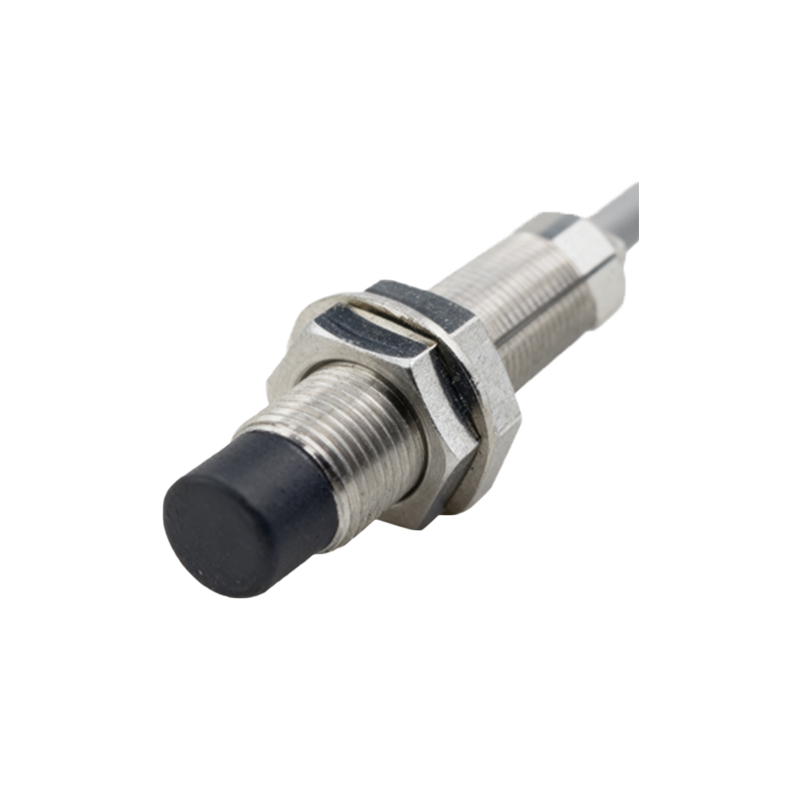
Core manufacturing competencies define a top-tier supplier. Precision machining of metallic housings and internal components ensures consistent sensing distances and mechanical durability. The coil winding and circuit board assembly for inductive and capacitive sensors require automated, high-precision equipment to guarantee electrical stability and sensitivity. For photoelectric sensors, the alignment of optical elements is paramount. Rigorous quality control is embedded throughout the production line, involving 100% functional testing of parameters like switching frequency, hysteresis, and temperature drift. Statistical process control (SPC) methodologies are employed to monitor production and preempt deviations.
Supply chain management and component sourcing are pivotal. The best OEM partners maintain robust relationships with trusted suppliers of semiconductors, connectors, and specialized materials, mitigating risks of shortages. They often offer dual-sourcing strategies for critical components. Furthermore, their value engineering expertise can suggest alternative materials or design tweaks that maintain performance while reducing cost, without compromising the integrity required for industrial environments.
Flexibility in production scaling is another crucial attribute. A capable factory must accommodate both low-volume, high-mix orders for prototype or niche applications and high-volume runs for mature products. This requires adaptable production lines, skilled technicians, and a lean manufacturing philosophy to minimize waste and lead times. Just-in-time (JIT) delivery capabilities can be integrated into the OEM's logistics system, reducing inventory burdens.
Certifications and compliance are non-negotiable. Reputable proximity sensor manufacturers hold relevant international certifications such as ISO 9001 for quality management, ISO 14001 for environmental management, and specific product safety marks (e.g., UL, CE, RoHS). These certifications are not merely badges but testaments to a systemic commitment to quality, safety, and regulatory adherence, which is directly transferred to the OEM's final product.
The strategic advantages of a strong OEM partnership are multifold. It allows the brand-holding company to focus its internal resources on core competencies like R&D, marketing, and sales, while leveraging the manufacturer's specialized engineering and production expertise. It reduces capital expenditure on manufacturing infrastructure. Perhaps most importantly, it accelerates time-to-market. A partner with deep application knowledge can swiftly navigate design challenges, ensuring the sensor solution is optimized for its intended use—be it detecting metallic objects on a high-speed conveyor, ensuring cap placement on bottles, or providing precise end-of-arm tooling feedback in a collaborative robot.
In conclusion, selecting an OEM factory for proximity sensors is a decision that demands thorough due diligence. Evaluating a partner's technical prowess, quality systems, supply chain strength, and collaborative culture is essential. The ideal partner operates as a seamless extension of the OEM's own engineering team, delivering not just components, but reliable, innovative, and value-driven sensing solutions that enhance the performance and reliability of the final machinery or system. In an era defined by Industry 4.0 and smart manufacturing, this partnership is a cornerstone of industrial innovation and operational excellence.