In the rapidly evolving landscape of industrial automation, the integration of compact machines equipped with proximity switch sensors has become a cornerstone for enhancing operational efficiency, safety, and precision. These sensors, often referred to as proximity sensors or proximity switches, are non-contact devices that detect the presence or absence of objects within a specified range without physical contact. Their application in small-scale machinery is particularly transformative, enabling smarter, more responsive systems across various sectors, including manufacturing, packaging, robotics, and automotive assembly.
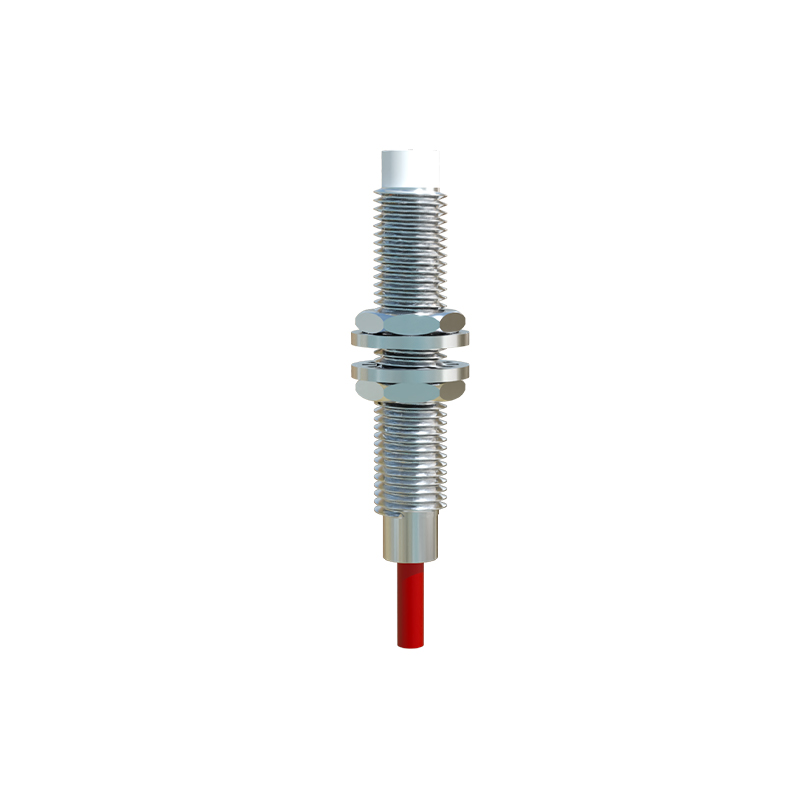
Proximity switch sensors operate on principles such as electromagnetic, capacitive, or inductive sensing, depending on the target material and environmental conditions. Inductive sensors, for instance, are ideal for detecting metallic objects by generating an electromagnetic field, while capacitive sensors can identify both metallic and non-metallic materials by measuring changes in capacitance. This versatility allows engineers to tailor sensor selection to specific machine requirements, ensuring reliable performance in diverse settings. In compact machines, where space is at a premium, the small form factor of these sensors is a critical advantage. They can be seamlessly embedded into tight designs without compromising functionality, contributing to the miniaturization trend in industrial equipment.
The benefits of incorporating proximity sensors into compact machines are manifold. Firstly, they significantly improve safety by enabling automated shutdown or alert mechanisms when unauthorized access or malfunctions are detected. For example, in robotic arms used for precision welding, proximity sensors can halt operations if a human operator enters a hazardous zone, preventing accidents. Secondly, these sensors enhance efficiency by facilitating real-time monitoring and control. In conveyor systems within packaging lines, sensors detect product positioning, ensuring accurate sorting and reducing waste. This leads to higher throughput and lower operational costs, as machines can operate continuously with minimal human intervention.
Moreover, proximity switch sensors contribute to predictive maintenance strategies. By continuously monitoring machine components for wear or misalignment, they can alert operators to potential failures before they escalate into costly downtime. This proactive approach is especially valuable in industries where machine reliability is paramount, such as pharmaceuticals or electronics manufacturing. The data collected from these sensors can be integrated into Industrial Internet of Things (IIoT) platforms, allowing for advanced analytics and optimization of entire production lines.
Despite their advantages, implementing proximity sensors in compact machines requires careful consideration. Factors like sensor range, response time, and environmental interference (e.g., temperature fluctuations or electromagnetic noise) must be evaluated to ensure optimal performance. Engineers often conduct thorough testing in simulated conditions to validate sensor placement and calibration. Additionally, the choice between shielded and unshielded sensor designs impacts detection accuracy; shielded sensors offer focused sensing fields suitable for confined spaces, while unshielded types provide wider ranges but may be prone to external interference.
Looking ahead, advancements in sensor technology are poised to drive further innovation. The development of miniaturized, energy-efficient sensors with enhanced connectivity options, such as Bluetooth or Wi-Fi, will enable even more compact and intelligent machines. These sensors could integrate with artificial intelligence algorithms to adapt dynamically to changing operational conditions, paving the way for fully autonomous systems. As industries continue to prioritize sustainability, proximity sensors will also play a role in reducing energy consumption by optimizing machine cycles based on real-time demand.
In conclusion, proximity switch sensors are indispensable components in the design and operation of compact industrial machines. Their ability to provide reliable, non-contact detection enhances both safety and productivity, aligning with the global push toward automation and smart manufacturing. By leveraging these sensors, engineers can build agile, resilient systems that meet the demands of modern production environments, ultimately driving progress in the electrical and automation sectors. As technology evolves, the synergy between compact machines and advanced sensing will undoubtedly unlock new possibilities for industrial innovation.