In modern industrial automation, proximity sensors are critical components for object detection, positioning, and process control. However, their reliability is heavily dependent on proper mounting and protection. A sensor's bracket is its first line of defense against physical impact, vibration, and environmental hazards. A poorly designed or installed bracket can lead to premature sensor failure, inaccurate readings, and costly production downtime. This article delves into the principles of anti-collision design for proximity sensor brackets and outlines industry best practices to ensure longevity and accuracy.
The primary function of a bracket is to securely position the sensor at the optimal detection point while isolating it from mechanical stress. Collision damage typically occurs from misaligned workpieces, tooling errors, forklift traffic, or routine maintenance activities. An anti-collision strategy is not merely about using thicker metal; it's a holistic approach involving material selection, mechanical design, installation methodology, and sometimes supplemental protective devices.
Material and Structural Considerations
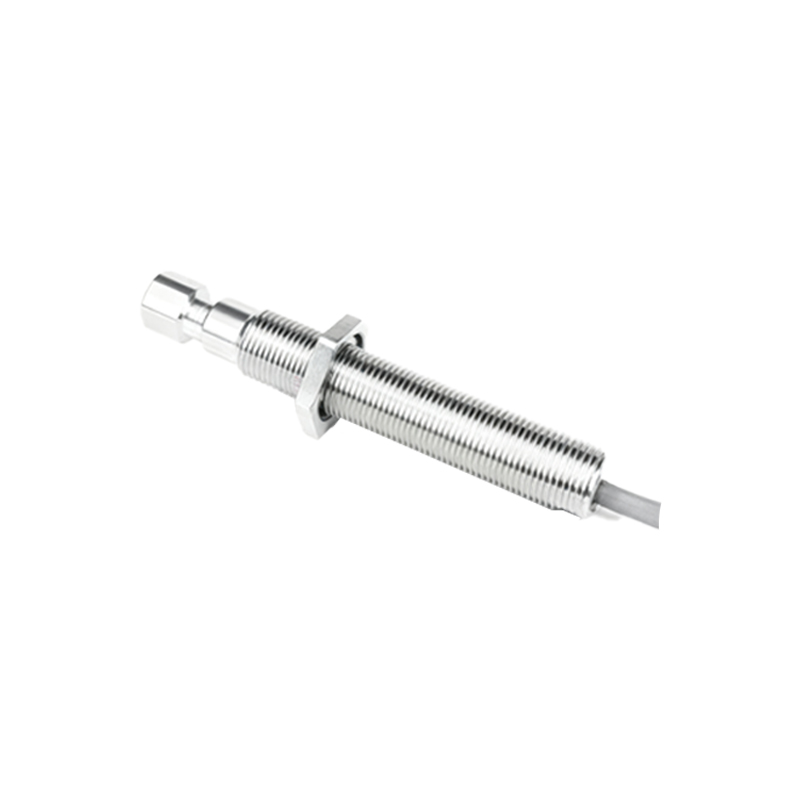
Bracket material must offer a balance of strength, rigidity, and sometimes flexibility. Steel brackets, often powder-coated for corrosion resistance, provide high strength for static, high-vibration environments. For applications where slight bending is preferable to breaking, spring steel or certain aluminum alloys can be used. The bracket's geometry is crucial. Gussets, ribs, and L-shaped designs significantly increase rigidity without adding excessive mass. The bracket should be designed to deflect impact forces away from the sensor body. For instance, a tapered or curved design can help deflect a glancing blow, whereas a flat, broad surface presents a larger target.
Mounting and Isolation Techniques
How the bracket connects to both the machine and the sensor is paramount. Using vibration-damping mounts or isolators between the bracket and the machine frame can absorb high-frequency shocks and vibrations that would otherwise be transmitted directly to the sensor. These isolators are typically made of rubber or urethane. Furthermore, the sensor should not be rigidly locked into the bracket. Many sensor manufacturers offer mounting bushings or shock-absorbing sleeves that allow the sensor a small degree of float within the bracket. In a direct collision, this can allow the sensor to move slightly, dissipating energy and preventing shearing of the sensor housing or threads.
Strategic Placement and Redundancy
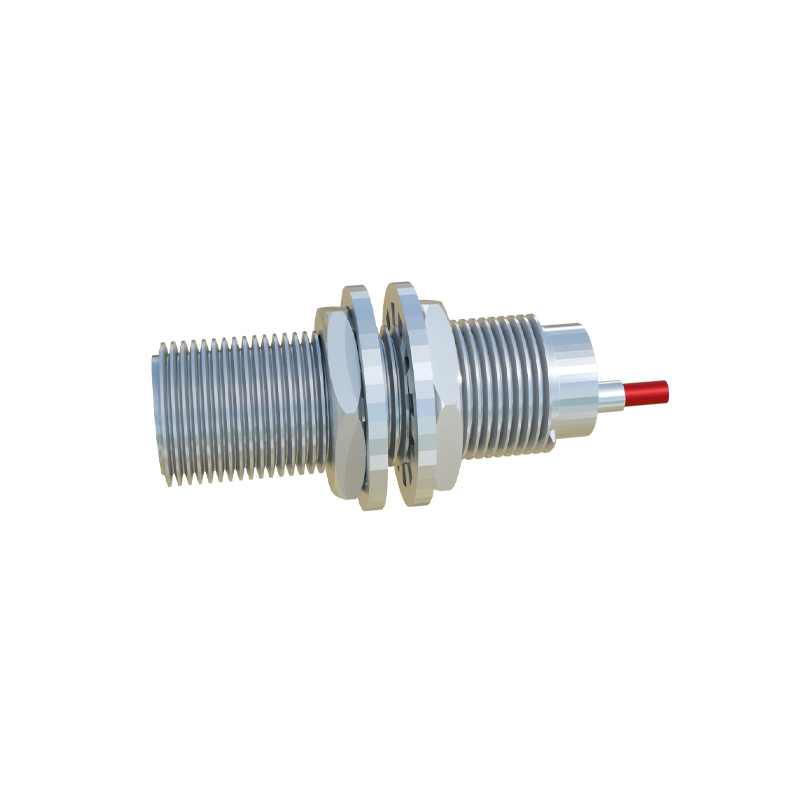
Often, the best anti-collision measure is avoiding the collision altogether. Conduct a thorough risk assessment of the machine's operating envelope. Can the bracket and sensor be relocated to a less exposed position? Can they be recessed into a machine guard or housing? Increasing the stand-off distance, even by a few millimeters, can sometimes make the difference between a hit and a miss. For critical applications, consider designing a sacrificial bracket—a less expensive, easily replaceable component that takes the brunt of any impact, protecting the more costly sensor and its primary bracket. Additionally, implementing a redundant sensing system with sensors placed on opposite sides or using different technologies (e.g., a proximity sensor paired with a photoelectric sensor) can maintain process continuity even if one sensor is damaged.
Supplementary Protection Devices
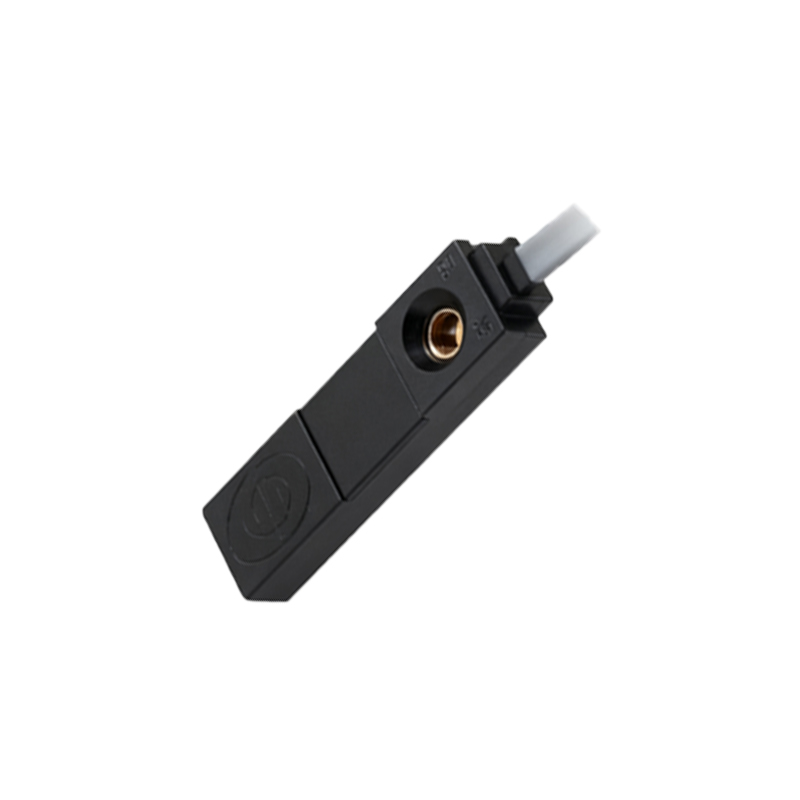
When exposure is unavoidable, external guards are essential. These include:
Protective Cages: Steel or plastic mesh cages that surround the sensor, allowing the sensing field to pass through while blocking physical contact.
Deflector Shields: Angled metal plates mounted upstream of the sensor to physically push errant objects away from the detection zone.
Heavy-Duty Sensing Faces: Specially designed sensors with fortified, often metal, sensing faces that can withstand direct abrasion and minor impacts.
Installation and Maintenance Protocol
Even the best-designed bracket will fail if installed incorrectly. Follow torque specifications precisely for all fasteners. Over-tightening can crack sensor housings or distort brackets, while under-tightening leads to loosening under vibration. Use thread-locking compounds where appropriate. Implement a regular inspection schedule as part of preventive maintenance. Look for signs of stress: cracks in weld points, paint chipping on brackets, loose fasteners, or any deformation. Check the sensor's alignment periodically, as even a small shift can affect performance.
In conclusion, protecting proximity sensors from collision is a systematic engineering task. It moves beyond simple hardware selection to encompass thoughtful design, strategic placement, and disciplined maintenance. Investing in a robust anti-collision bracket system minimizes unplanned downtime, reduces spare parts costs, and ensures the consistent, reliable data flow that automated systems depend on. By viewing the sensor and bracket as an integrated, protected unit, engineers can significantly enhance the resilience and productivity of their industrial applications.