Proximity sensors, widely utilized across industrial automation, robotics, automotive systems, and consumer electronics, are known by several alternative names depending on their specific technology, application, or regional terminology. Understanding these synonyms is crucial for professionals in electrical engineering, procurement, and system design to ensure accurate specification and integration.
One common alternative term is non-contact sensors. This name emphasizes the fundamental characteristic of proximity sensors: they detect the presence or absence of an object without any physical contact. This non-invasive nature minimizes wear and tear, making them ideal for harsh environments or applications involving delicate materials.
In many technical documents and datasheets, especially within European contexts, you may encounter the term proximity switches. This designation highlights their function as switching devices—they provide a digital output (typically ON/OFF) when an object enters their detection range. These are extensively used in position sensing, limit switching, and object counting on production lines.
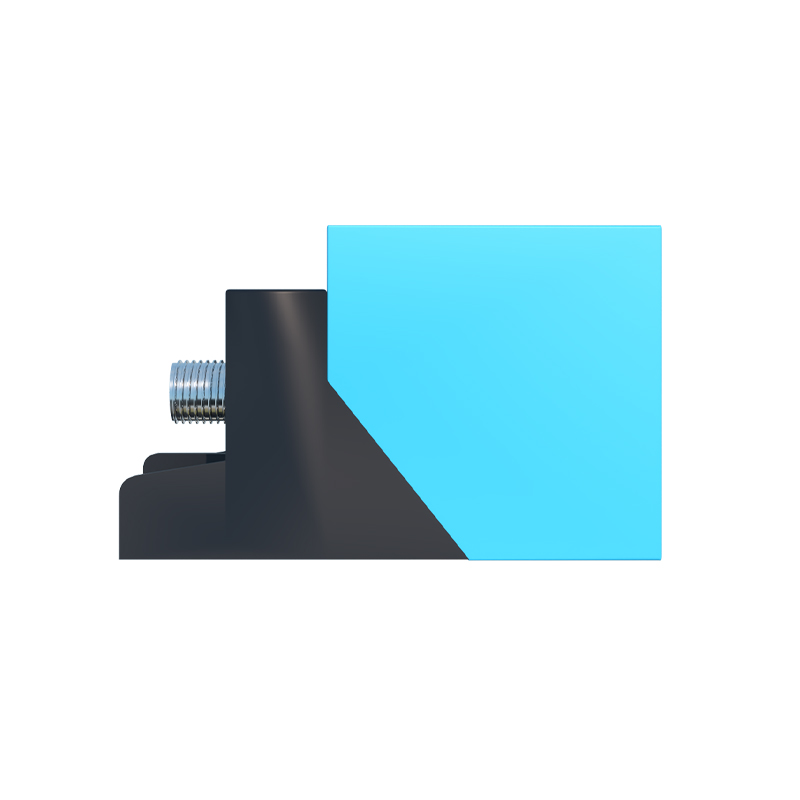
For sensors based on electromagnetic principles, particularly those detecting metallic objects, the name inductive proximity sensors is frequently used. These sensors generate an electromagnetic field and detect changes caused by metallic targets. They are sometimes colloquially referred to as metal detectors in specific industrial settings, though this term is broader and can include other device types.
Capacitive proximity sensors, which can detect both metallic and non-metallic materials by sensing changes in capacitance, are occasionally called capacitive sensors or capacitive switches. Similarly, magnetic proximity sensors (or reed switches) are terms for sensors that respond to magnetic fields, often used in safety applications or for detecting permanent magnets.
In the realm of photoelectric sensing, which uses light beams to detect objects, some devices function as proximity sensors. These might be labeled as photoelectric proximity sensors or simply photoelectric sensors when their operating range is short. Ultrasonic-based versions are often termed ultrasonic proximity sensors.
Additionally, in certain automation circles, especially where simplicity is key, they are generically called presence sensors or object detection sensors. These terms focus on the primary outcome—detecting that an object is present within a defined zone.
The variety in nomenclature stems from technological diversity. Inductive, capacitive, ultrasonic, and photoelectric sensors all achieve proximity detection through different physical principles. Regional language preferences also play a role; for instance, "proximity switch" is more prevalent in European English, while "proximity sensor" is dominant in North America. Application-specific jargon further adds to the list—in automotive manufacturing, they might be called part presence sensors, while in packaging machinery, terms like fill-level sensors or position sensors are common when used for those purposes.
Why does this matter? Using the correct terminology ensures clear communication in technical specifications, procurement processes, and troubleshooting. Misunderstandings can lead to purchasing incorrect components, design flaws, or operational downtime. For engineers, knowing these aliases aids in effective literature searches, cross-referencing datasheets, and collaborating with international teams.
In summary, proximity sensors are versatile devices with a rich lexicon. Whether called non-contact sensors, proximity switches, inductive sensors, or presence detectors, they remain indispensable for modern automation. Recognizing these terms enhances professional competency and facilitates the seamless implementation of sensing solutions in complex systems. As technology evolves, new variants may introduce further terminology, but the core function—reliable, contactless detection—will continue to drive industry innovation.