The GS262 proximity sensor represents a significant advancement in industrial sensing technology, designed to meet the rigorous demands of modern automation systems. As a non-contact detection device, it operates on the principle of electromagnetic field generation, allowing it to identify the presence or absence of metallic objects without physical interaction. This capability is crucial in environments where precision, reliability, and durability are paramount, such as manufacturing lines, packaging machinery, and robotic applications.
One of the standout features of the GS262 is its robust construction. Encased in a stainless-steel housing, it offers exceptional resistance to mechanical stress, vibrations, and harsh environmental conditions, including exposure to oils, coolants, and dust. This makes it suitable for use in challenging industrial settings where other sensors might fail. The sensor's IP67 rating ensures protection against water and dust ingress, further enhancing its longevity and performance consistency.
In terms of technical specifications, the GS262 operates with a sensing range that can be adjusted based on application requirements, typically spanning from 2mm to 15mm for standard ferrous metals. It supports both DC and AC voltage inputs, with options for NPN or PNP output configurations, providing flexibility for integration into diverse control systems. The response time is remarkably fast, often in the microsecond range, enabling high-speed detection that is essential for processes involving rapid movement or timing-critical operations.
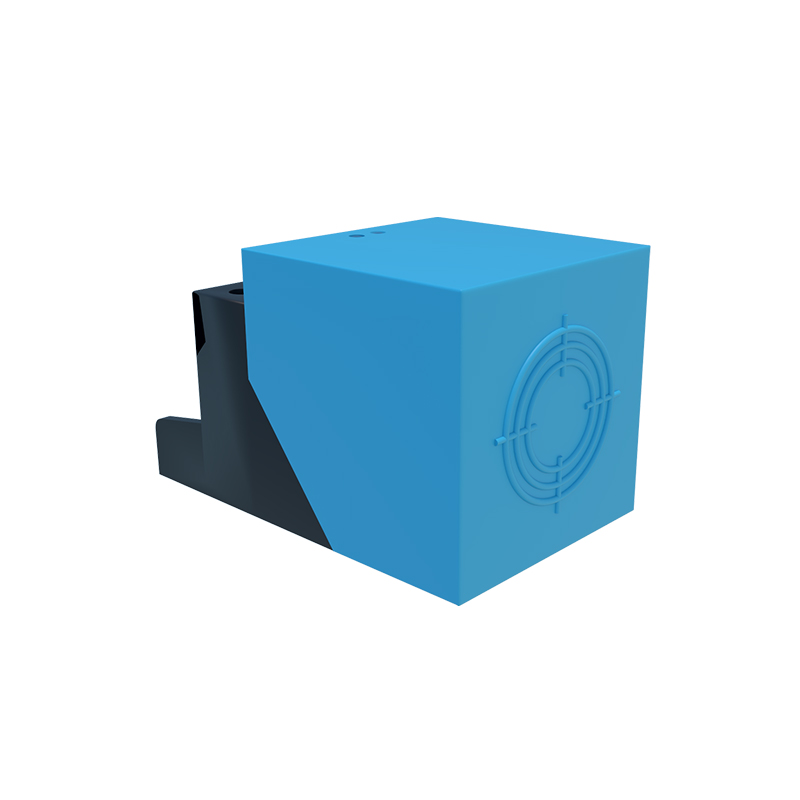
Installation and maintenance of the GS262 are straightforward, thanks to its compact design and user-friendly mounting options. Many models include LED indicators for status monitoring, allowing operators to quickly diagnose issues such as misalignment or wiring faults. Calibration is minimal, as the sensor is pre-tuned for optimal performance, though environmental factors like temperature fluctuations should be considered to ensure accuracy. Regular checks for debris accumulation and cable integrity are recommended to prevent false triggers or signal loss.
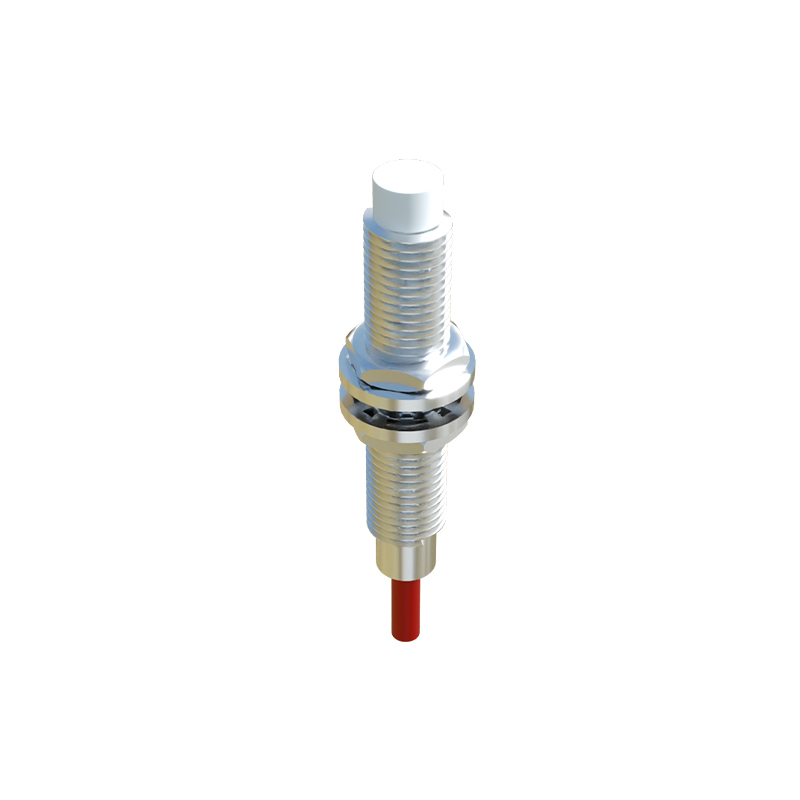
Applications of the GS262 are widespread across industries. In automotive manufacturing, it is used for part positioning and quality control, while in food processing, its hygienic design supports compliance with safety standards. The sensor also plays a vital role in material handling systems, where it detects objects on conveyor belts or monitors inventory levels. Its ability to function in high-noise electrical environments, due to built-in noise immunity, adds to its versatility.
Looking ahead, the integration of smart features, such as IO-Link connectivity, is becoming more common in proximity sensors like the GS262. This allows for real-time data exchange, predictive maintenance, and enhanced diagnostics, aligning with Industry 4.0 trends. When selecting a proximity sensor, factors such as target material, operating distance, environmental conditions, and output requirements should be evaluated to ensure compatibility. The GS262, with its balanced performance and reliability, often emerges as a top choice for engineers seeking to optimize automation efficiency.
In conclusion, the GS262 proximity sensor exemplifies innovation in industrial sensing, offering a blend of durability, precision, and adaptability. Its design addresses common pain points in automation, such as downtime and maintenance costs, making it a valuable component in achieving seamless operational workflows. As technology evolves, sensors like the GS262 will continue to underpin advancements in automation, driving productivity and safety in diverse sectors.