In the dynamic field of industrial automation and electrical engineering, proximity sensors are indispensable components. They enable non-contact detection of objects, enhancing efficiency, safety, and reliability in countless systems. However, effectively documenting their application in a case study is crucial for knowledge sharing, troubleshooting, and project validation. This guide outlines a structured approach to writing a compelling and technically sound proximity sensor application case study, tailored for engineering professionals.
A well-written case study begins with a clear definition of the problem or objective. Start by describing the industrial context. Was it a manufacturing assembly line, a packaging system, a robotic cell, or a safety interlock application? Specify the core challenge: perhaps it involved precise object counting, detecting the presence of a metallic component on a high-speed conveyor, ensuring proper positioning before a machining operation, or replacing a failing mechanical limit switch. Clearly stating the initial problem sets the stage for the sensor's role.
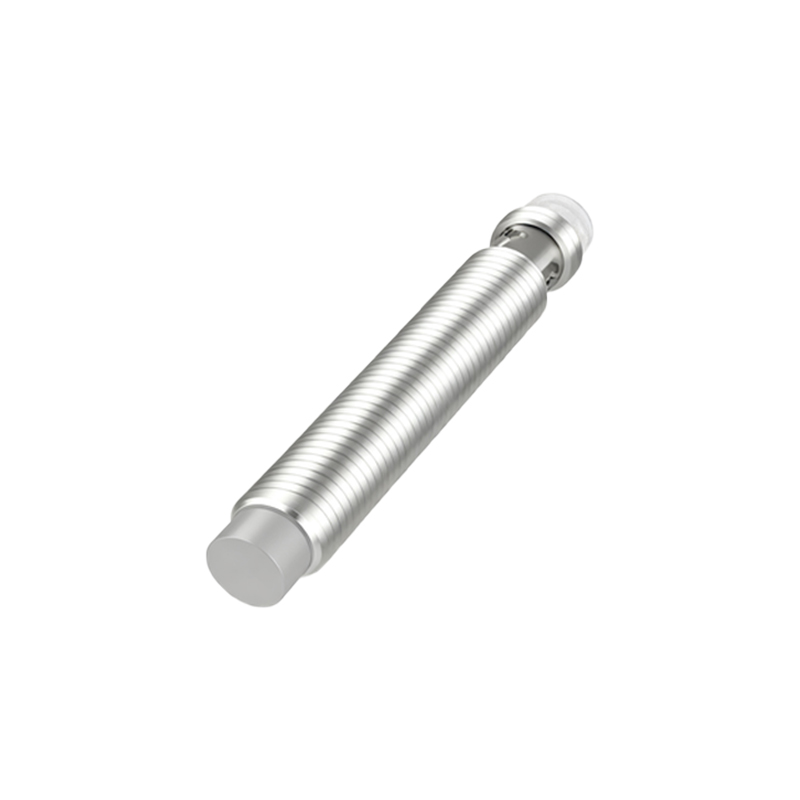
The next critical section details the selection and specification of the proximity sensor. This is where technical rigor is paramount. Do not simply state "a proximity sensor was used." Elaborate on the key selection criteria based on the problem. Discuss the sensing technology chosen: was it an inductive sensor for detecting metals, a capacitive sensor for non-metals like liquids or plastics, or an ultrasonic sensor for distance measurement? Justify this choice. Detail the specific sensor model's specifications that were decisive: its sensing range, response time, output type (PNP/NPN, analog, IO-Link), housing material (e.g., stainless steel for washdown environments), and environmental ratings (IP67, IP69K for harsh conditions). Mention any special features like weld-field immunity or temperature tolerance that were relevant.
Following sensor selection, the implementation and integration phase must be meticulously documented. Describe the mechanical installation: mounting position, orientation, and clearance from the target and other objects. Include diagrams or clear photographs if possible (in a real document). Explain the electrical wiring: how the sensor was connected to the PLC (Programmable Logic Controller), relay, or other control systems. List the specific input card used and note any necessary circuitry, such as pull-up resistors or surge protection. Programming logic is equally important. Provide a snippet of ladder logic, function block diagram, or structured text code that shows how the sensor's signal was integrated into the control sequence. For instance, illustrate how a sensor's discrete output triggers a robotic gripper or how an analog signal is scaled for position feedback.
The heart of the case study lies in the results and performance analysis. Quantify the improvements. Did the solution increase production line speed by a certain percentage? Reduce downtime caused by false triggers or mechanical switch failures? Enhance positioning accuracy to within a specific millimeter tolerance? Provide before-and-after data, such as cycle time measurements, error rates, or Mean Time Between Failure (MTBF) comparisons. Discuss any challenges encountered during commissioning—like interference from adjacent machinery, sensing range adjustments for different target materials, or electrical noise—and how they were resolved. This demonstrates problem-solving expertise.
Finally, conclude with a summary of benefits and lessons learned. Reiterate how the proximity sensor application successfully met the initial objective. Highlight tangible benefits like cost savings, improved product quality, or enhanced operational safety. Also, share insights that could benefit future projects: perhaps a particular sensor brand proved exceptionally robust, or a specific mounting strategy optimized performance. Suggest potential future enhancements, such as integrating the sensor into a networked IIoT (Industrial Internet of Things) system for predictive maintenance data.
A professional case study maintains a formal, objective tone, avoids marketing fluff, and focuses on factual, technical data. It serves as a valuable reference for peers and a testament to systematic engineering practice. By following this structure—Problem Definition, Sensor Selection & Specification, Implementation & Integration, Results & Analysis, and Conclusion—you create a document that is both informative and authoritative, advancing best practices in the application of sensor technology.