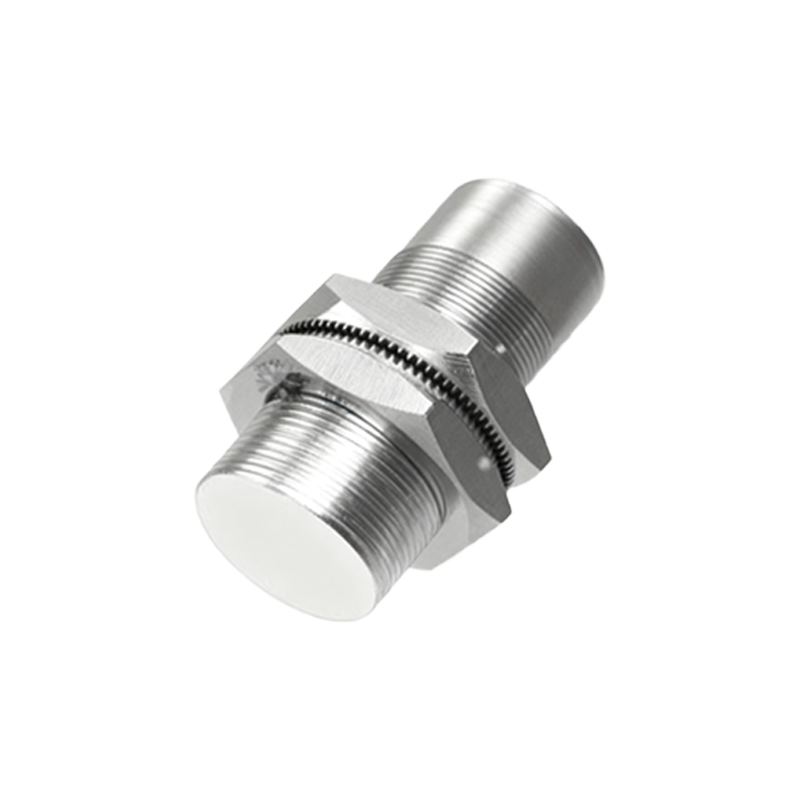
In the rapidly evolving landscape of industrial automation, proximity sensor manufacturing stands as a critical pillar, enabling seamless and efficient operations across countless sectors. These non-contact detection devices, which identify the presence or absence of objects within a defined range, are integral to the functionality of everything from automotive assembly lines and robotic systems to consumer electronics and smart appliances. The companies specializing in their production are not merely component suppliers; they are technological innovators driving precision, reliability, and intelligence into the heart of modern machinery.
The core of a proximity sensor manufacturing enterprise lies in its mastery of multiple sophisticated disciplines. It begins with advanced materials science, selecting substrates, coatings, and sensing elements that ensure stability under extreme temperatures, vibrations, and corrosive environments. Whether employing inductive, capacitive, ultrasonic, or photoelectric principles, each sensor type demands a unique and highly controlled fabrication process. For instance, inductive sensors, widely used for metal detection, require precise winding of coils and meticulous shielding to prevent electromagnetic interference. The production floor is a symphony of automated precision—surface-mount technology (SMT) lines populate circuit boards with microscopic components, laser welding ensures hermetic seals for IP-rated enclosures, and automated optical inspection (AOI) systems scrutinize every unit for defects invisible to the human eye.
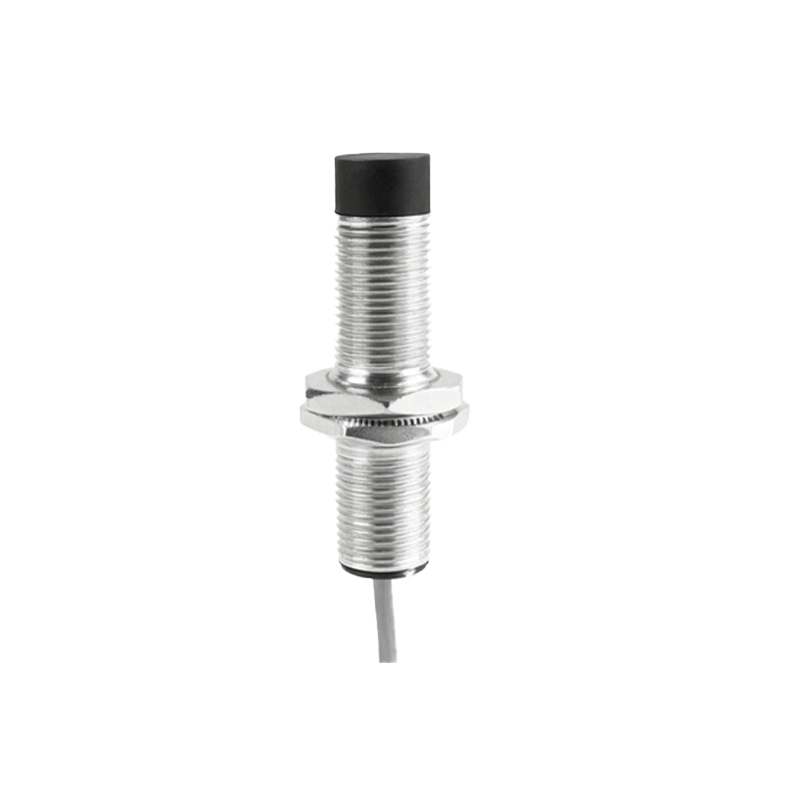
Beyond hardware, the true differentiation among leading manufacturers is embedded in firmware and software. Modern proximity sensors are intelligent nodes on the Industrial Internet of Things (IIoT). They feature programmable logic, diagnostic capabilities (like condition monitoring and predictive maintenance alerts), and standardized communication protocols (IO-Link, PROFINET, EtherCAT). This digital layer transforms raw detection signals into rich, actionable data, feeding into larger control systems for optimized throughput and minimized downtime. Consequently, R&D investment in signal processing algorithms, noise reduction techniques, and cybersecurity for networked sensors is substantial and non-negotiable for staying competitive.
The market demands are pushing manufacturers toward greater miniaturization, enhanced sensing ranges, and improved energy efficiency. There is a growing trend toward hybrid sensors that combine proximity detection with other functions, such as temperature or pressure sensing, in a single compact housing. Furthermore, the rise of collaborative robots (cobots) and agile manufacturing requires sensors with higher resolution and faster response times to ensure safe and fluid human-machine interaction. Environmental sustainability is also becoming a core operational tenet, driving efforts to reduce waste in production, utilize recyclable materials, and design sensors for longevity and easy disassembly.
Quality assurance is the uncompromising creed of this industry. From incoming raw material checks to final performance validation, a multi-stage testing regimen is implemented. This includes environmental stress screening (ESS), where sensors undergo thermal cycling and vibration tests, and rigorous application-specific trials simulating real-world conditions. Leading firms often maintain in-house calibration laboratories traceable to national standards, guaranteeing that every sensor meets its specified accuracy and repeatability parameters. This relentless focus on quality is what allows these components to perform reliably for millions of cycles in demanding settings.
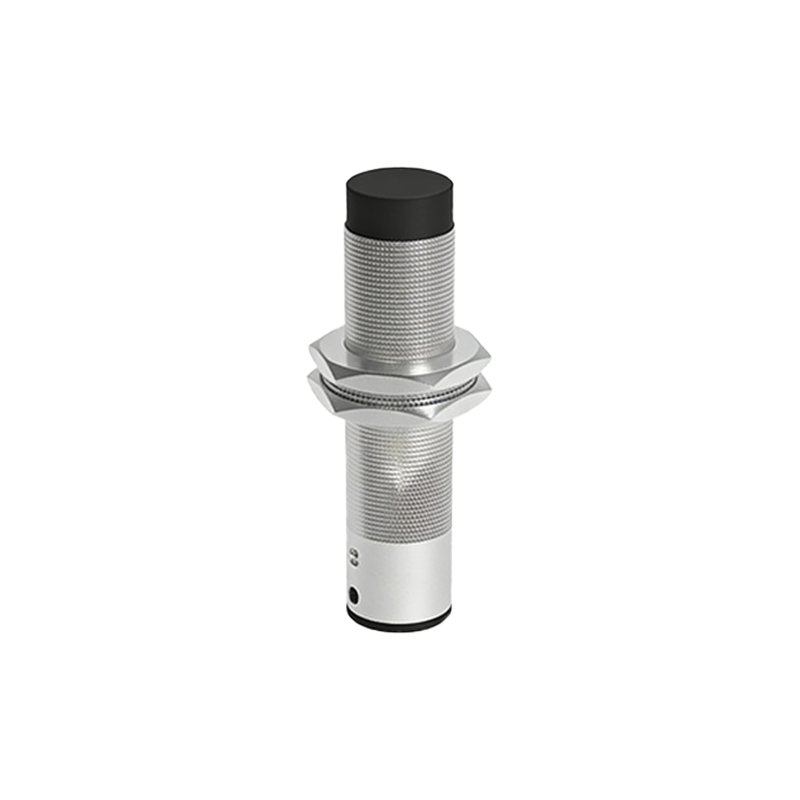
In conclusion, proximity sensor manufacturing companies are the unsung enablers of automation's progress. Their expertise—a fusion of precision engineering, materials science, and digital intelligence—creates the essential "senses" for machines. As industries worldwide stride toward greater connectivity and autonomy, the role of these specialized manufacturers will only grow in strategic importance, continually refining their art and science to detect, inform, and empower the automated world.