In industrial automation and control systems, proximity limit sensors play a critical role in detecting the presence or absence of objects without physical contact. High-definition images of these sensors are not merely visual aids; they serve as essential tools for engineers, technicians, and procurement specialists to identify specifications, assess compatibility, and troubleshoot installations. This article delves into the importance of high-resolution imagery for proximity sensors, exploring key features visible in such images and their practical implications in various industrial settings.
High-definition images of proximity limit sensors typically reveal intricate details that standard photographs might miss. For instance, one can clearly observe the sensor housing material—whether it is made of stainless steel, nickel-plated brass, or PBT plastic—which directly impacts its durability in harsh environments like manufacturing floors or outdoor applications. The lens or sensing face is another crucial element visible in HD pictures. A clear, unscratched lens ensures optimal performance for inductive, capacitive, or ultrasonic sensors, as any damage or contamination can lead to false triggers or reduced sensing ranges. In inductive sensors, designed to detect metallic objects, the image may show a shielded or unshielded design, indicated by markings or housing shape, affecting the sensor's installation proximity to other metal surfaces.
Wiring and connector types are also prominently displayed in high-quality images. Many proximity sensors feature pre-wired cables or quick-disconnect connectors, such as M8 or M12 types, which are vital for easy maintenance and replacement. HD visuals allow engineers to verify pin configurations, cable lengths, and ingress protection (IP) ratings, often denoted by labels like IP67 or IP69K, indicating resistance to dust and water. Additionally, LED indicators for power and output status are visible, aiding in real-time diagnostics during operation. For example, a steady green LED might signify power-on, while a flashing amber light could indicate object detection, details that are crucial for troubleshooting without disassembling equipment.
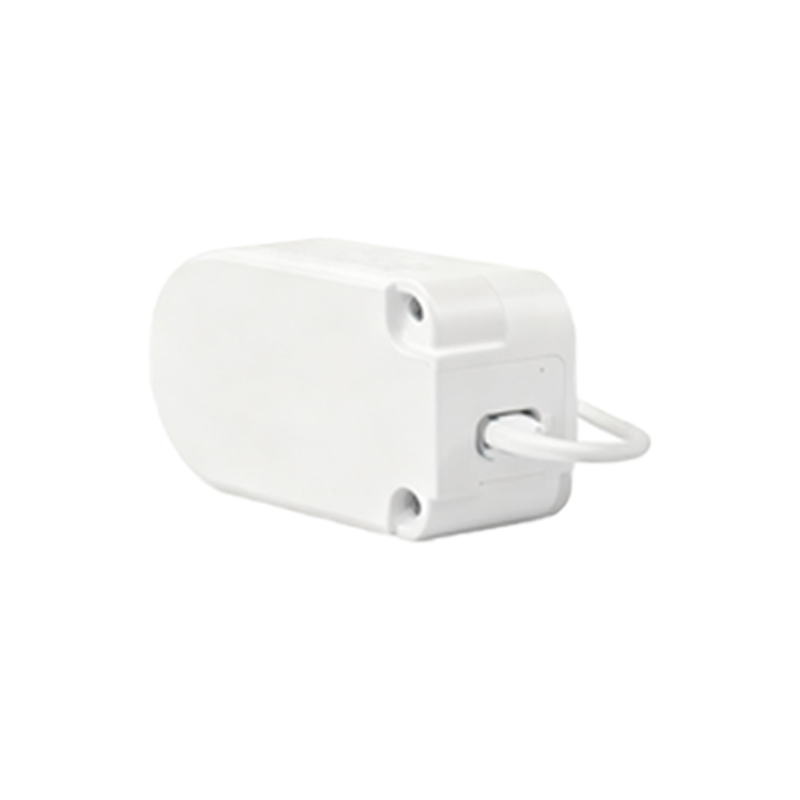
The applications of these sensors, as illustrated through detailed images, span across diverse industries. In automotive assembly lines, inductive proximity sensors monitor robotic arm positions, with HD images showcasing their compact designs for tight spaces. In packaging machinery, capacitive sensors detect non-metallic materials like plastic or liquid levels, where images highlight the sensor's adjustable sensitivity settings via potentiometers. High-resolution photos also emphasize mounting options, such as threaded barrels or bracket-based installations, helping integrators plan sensor placement for optimal detection angles and ranges.
From a technical perspective, analyzing HD images aids in understanding performance parameters. The sensing distance, often marked on the sensor body, can be verified visually—for instance, a 5mm range for a miniature inductive sensor versus 20mm for a standard model. Images may also reveal output types, such as PNP (sourcing) or NPN (sinking), through labeling or color-coded wires, which is essential for compatibility with PLCs (Programmable Logic Controllers). Furthermore, environmental certifications like CE, UL, or ATEX for explosive atmospheres are often visible on nameplates, ensuring compliance with safety standards.
In procurement and maintenance, high-definition images reduce errors by providing clear visual references. When ordering replacements, technicians can match sensor dimensions, connector styles, and branding from images, minimizing downtime. For new installations, engineers use these images to compare sensor options from manufacturers like Omron, Schneider Electric, or Siemens, evaluating factors like housing size and sensing technology. Online catalogs and technical datasheets increasingly incorporate zoomable HD images, allowing users to inspect minute details like thread sizes (e.g., M18x1 or M30x1.5) or cable gland types.
To conclude, high-definition images of proximity limit sensors are indispensable in modern industrial practice. They enhance accuracy in selection, installation, and maintenance, bridging the gap between technical specifications and real-world application. As sensor technology evolves, with trends toward miniaturization and IoT integration, the demand for clear, detailed imagery will only grow, supporting efficient and reliable automation systems worldwide. Engineers are encouraged to leverage these visual resources alongside datasheets to optimize sensor performance and ensure operational safety.