In the realm of industrial automation and electrical control systems, the distinction and overlap between sensing and switching functions are subjects of frequent technical discussion. A common query from both novice and seasoned engineers is: Can proximity sensors be used as switches? The short answer is a qualified yes, but understanding the nuances, limitations, and correct implementation methods is crucial for reliable and safe system design.
Fundamentally, a proximity sensor is a device that detects the presence or absence of an object within its sensing range without physical contact. It operates on various principles, including inductive, capacitive, ultrasonic, and photoelectric technologies. Its primary output is an electrical signal indicating a detection event. A switch, in its most basic form, is a component that opens or closes an electrical circuit. Traditional mechanical switches perform this function through physical actuation.
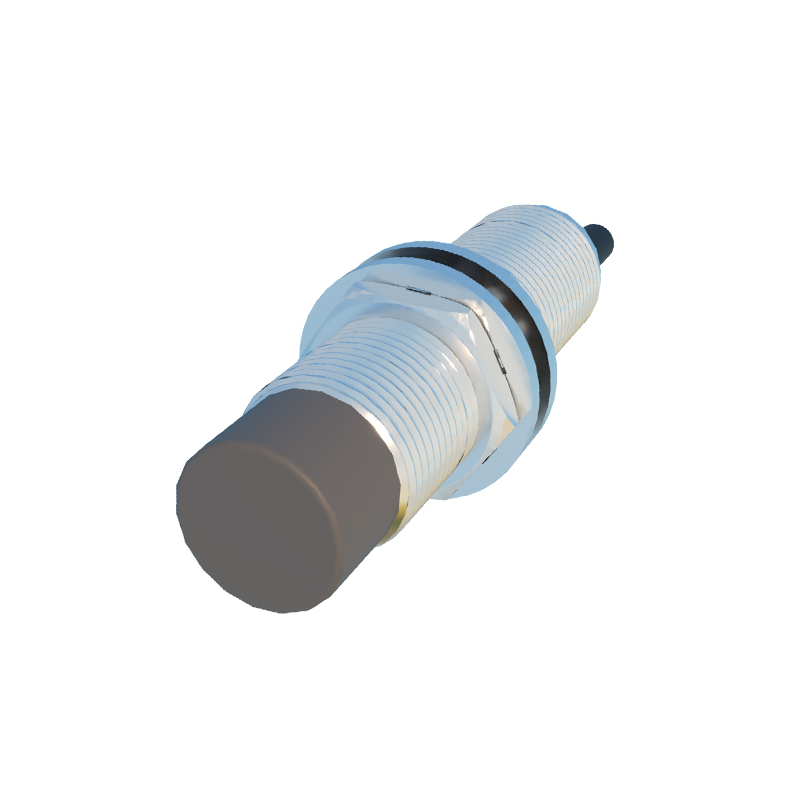
The convergence point lies in the output stage of a proximity sensor. Most modern proximity sensors are equipped with solid-state switching outputs, typically in the form of NPN (sinking) or PNP (sourcing) transistor configurations. These outputs are designed to interface directly with programmable logic controller (PLC) inputs, relays, or other control circuitry. When a target object enters the sensor's detection field, the internal transistor switches state—effectively closing or opening the circuit path between the output wire and the common wire. In this capacity, the proximity sensor is performing a switching action, controlling the flow of current to a load based on a non-contact trigger.
However, directly substituting a proximity sensor for a traditional mechanical switch requires careful consideration of several key technical parameters:
1. Load Characteristics: Proximity sensor outputs are not designed for high-power switching. They typically have low current and voltage ratings (e.g., 200mA max, 24-240V DC). Attempting to switch a large inductive load like a motor starter coil directly can instantly destroy the sensor's output transistor. For such applications, the sensor must be used to pilot a relay or contactor capable of handling the main load.
2. Output Type: The choice between NPN and PNP must match the control system's logic (sinking vs. sourcing input modules). A wiring mismatch will prevent operation.
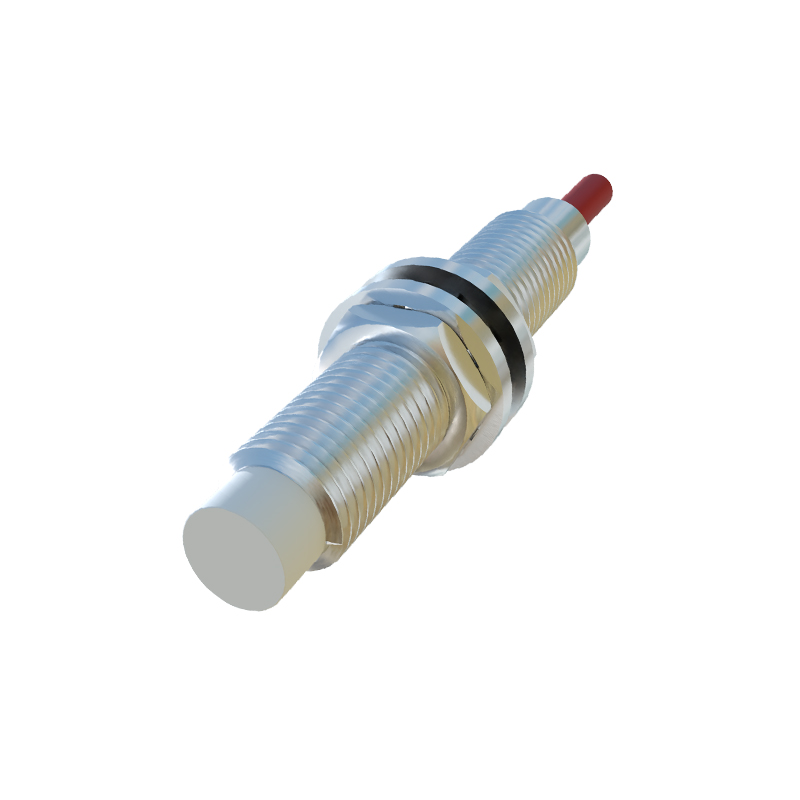
3. Switching Function: Sensors are specified as Normally Open (NO) or Normally Closed (NC). This defines the output state when no target is present. Selecting the correct function is vital for the intended control logic.
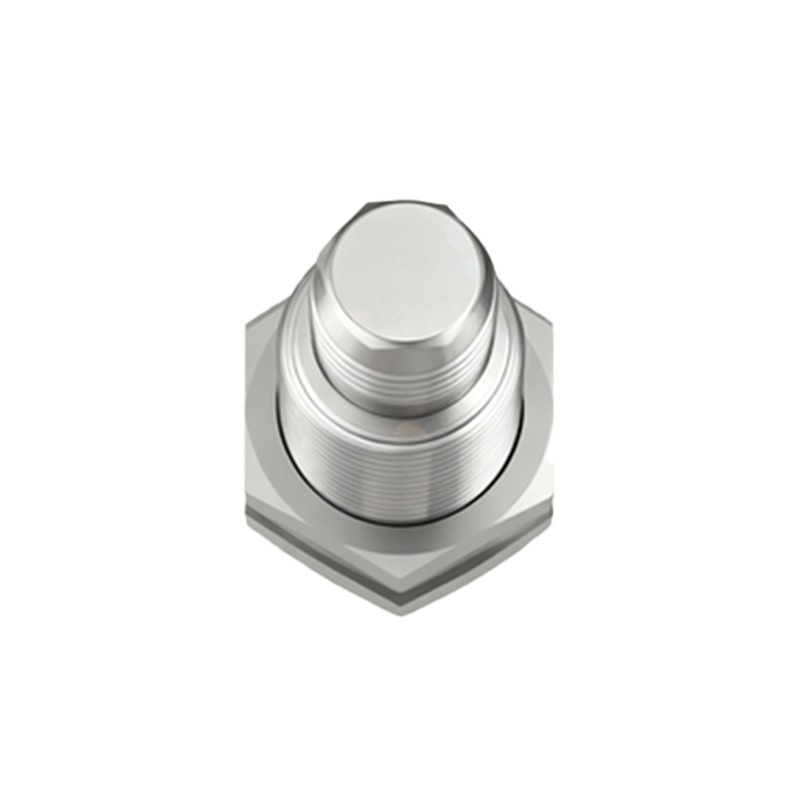
4. Speed and Duty Cycle: Proximity sensors excel in high-speed counting or positioning applications where mechanical switches would suffer from bounce, wear, or speed limitations. Their solid-state outputs allow for extremely fast switching frequencies (up to several kHz).
5. Environmental Robustness: Being non-contact, proximity sensors are ideal for harsh environments with dust, moisture, or vibration where mechanical switch contacts would fail prematurely.
A standard implementation involves wiring the proximity sensor's output in series with the coil of a relay. The sensor acts as the low-current, intelligent "trigger" switch for the relay, which then performs the actual high-power circuit switching. This is a classic and robust design pattern.
Furthermore, certain specialized proximity sensors, like those with relay outputs or solid-state relay (SSR) outputs, are explicitly designed for direct switching of AC loads with higher current capacities. These devices integrate the sensing element and a more robust switching stage into one unit, blurring the line further between sensor and switch.
In conclusion, proximity sensors can indeed function as switches, but they are best understood as "signal-level switches" or "pilot devices." Their primary role is to provide a reliable, fast, and non-contact detection signal. This signal is then used to command a subsequent switching action, either directly for small loads or indirectly via an intermediary device for larger loads. The engineer's task is to correctly specify the sensor's output characteristics, understand the load requirements, and design the interface circuit accordingly. Misapplication can lead to system failure. Therefore, while the functional overlap exists, treating a standard proximity sensor as a direct replacement for a power switch without a thorough review of the datasheet is a recipe for operational issues and potential damage. The intelligent integration of sensing and switching is a cornerstone of modern electromechanical design, and proximity sensors are a key enabling technology in this domain.