In industrial automation and control systems, proximity switch sensors are indispensable components for non-contact detection of metallic objects. Among the various configurations, the PNP (sourcing) normally open (NO) three-wire sensor is widely adopted due to its compatibility with many programmable logic controllers (PLCs) and standard DC sinking input modules. This article provides a comprehensive guide to the wiring methodology, operational principles, and practical considerations for this sensor type.
A PNP normally open three-wire proximity sensor typically comprises three distinct wires: brown (positive supply), blue (negative supply or common), and black (signal output). The sensor operates on a DC voltage, commonly 10-30 VDC, ensuring stable performance in diverse industrial environments. In the normally open configuration, the output transistor remains off when no target is detected, meaning the black signal wire is at a high impedance state relative to the positive supply. Upon detecting a metallic object within its sensing range, the internal switching element activates, connecting the black wire to the positive supply via the PNP transistor, thus sourcing current to the load.
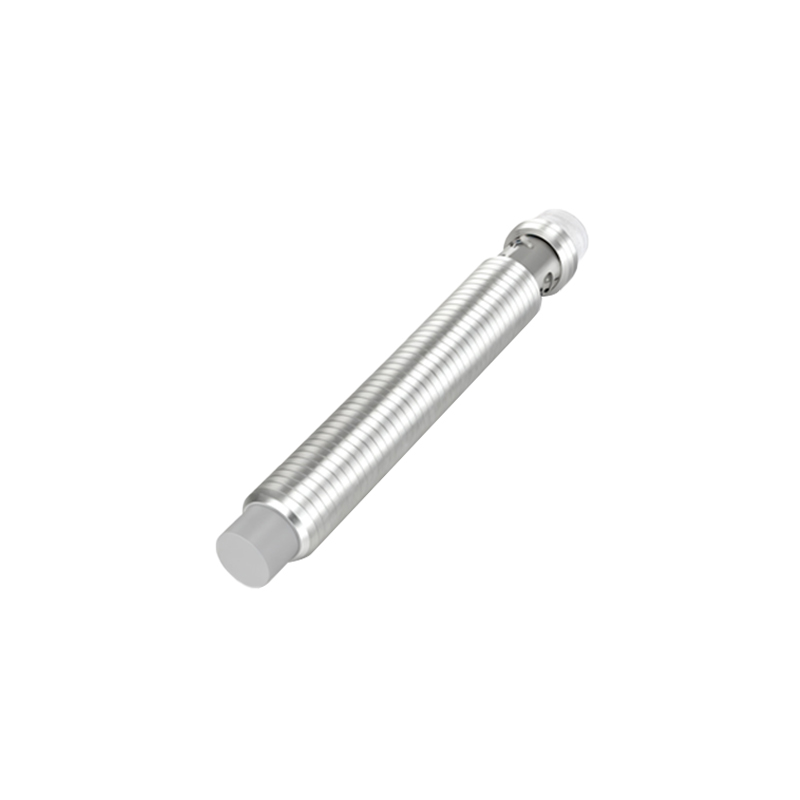
The wiring procedure is straightforward but requires attention to detail to ensure reliability and safety. First, connect the brown wire to the positive terminal of the DC power supply. The blue wire must be linked to the negative terminal or common ground of the power source. The black wire, serving as the signal output, is connected to the input channel of the control device, such as a PLC input module. It is crucial to verify that the control device's input is configured for sourcing (PNP) signals; otherwise, malfunction may occur. Additionally, always refer to the manufacturer's datasheet for specific voltage ratings, sensing distances, and environmental constraints like temperature or ingress protection ratings.
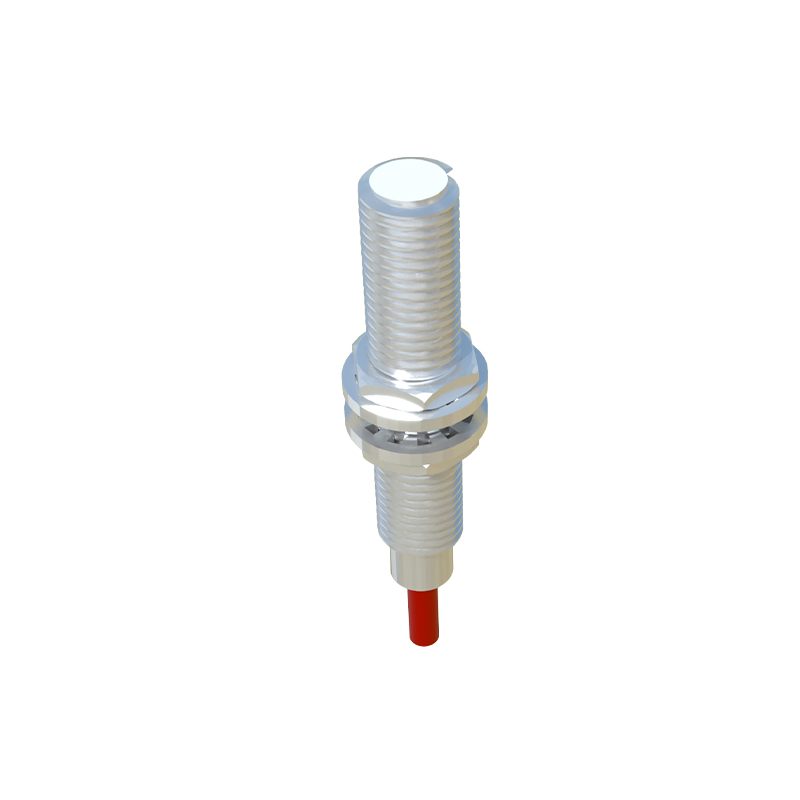
Operational principles hinge on the sensor's ability to generate an electromagnetic field. When a metal target enters this field, eddy currents are induced, causing a change in oscillation amplitude or frequency within the sensor's circuit. This change triggers the output transistor to switch, altering the signal state from open to closed. The PNP design means the output sources current from the positive supply to the load, making it ideal for interfacing with sinking inputs that expect a voltage rise to indicate an active state.
Practical considerations include proper shielding and grounding to mitigate electrical noise, especially in high-interference environments like those with motor drives or welding equipment. Use twisted-pair cables for the signal and supply lines to reduce electromagnetic interference. Ensure the load current does not exceed the sensor's maximum rating, typically around 200 mA, to prevent damage. For long cable runs, voltage drop calculations are necessary to maintain adequate supply voltage at the sensor. Regular maintenance, such as cleaning the sensing face to remove contaminants like oil or dust, enhances longevity and accuracy.
Common troubleshooting steps involve checking power supply continuity, verifying connections with a multimeter, and confirming target alignment. If the sensor fails to trigger, inspect for wiring reversals between brown and blue wires, which can cause permanent damage. A blinking indicator LED, if present, often signals issues like short circuits or overload conditions. Always de-energize the circuit before making adjustments to avoid electrical hazards.
In summary, the PNP normally open three-wire proximity sensor offers a robust solution for metallic object detection. By adhering to correct wiring practices and understanding its operational dynamics, engineers can ensure seamless integration into automated systems, enhancing efficiency and reliability. This sensor's versatility makes it a cornerstone in applications ranging from conveyor systems to robotic assembly lines, where precise, non-contact sensing is paramount.