In the realm of modern agriculture, the integration of advanced electronic components has revolutionized machinery performance, with harvester proximity switch sensors standing as a pivotal innovation. These sensors, designed to detect the presence or absence of objects without physical contact, play a critical role in optimizing the operational efficiency and safety of combine harvesters. As an electrical engineer specializing in industrial automation, I will delve into the technical aspects, applications, and benefits of these sensors in agricultural settings.
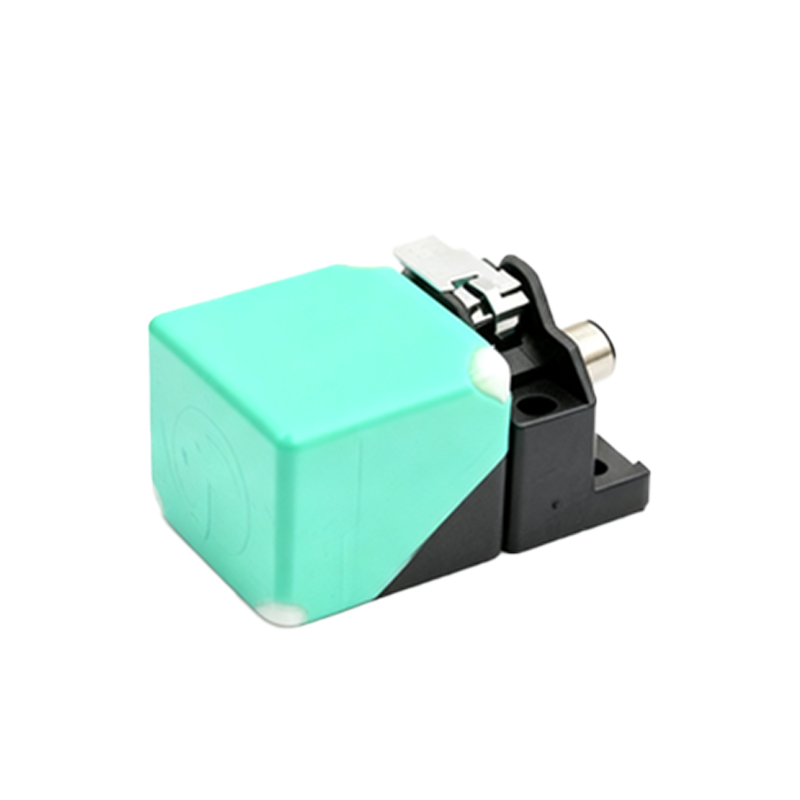
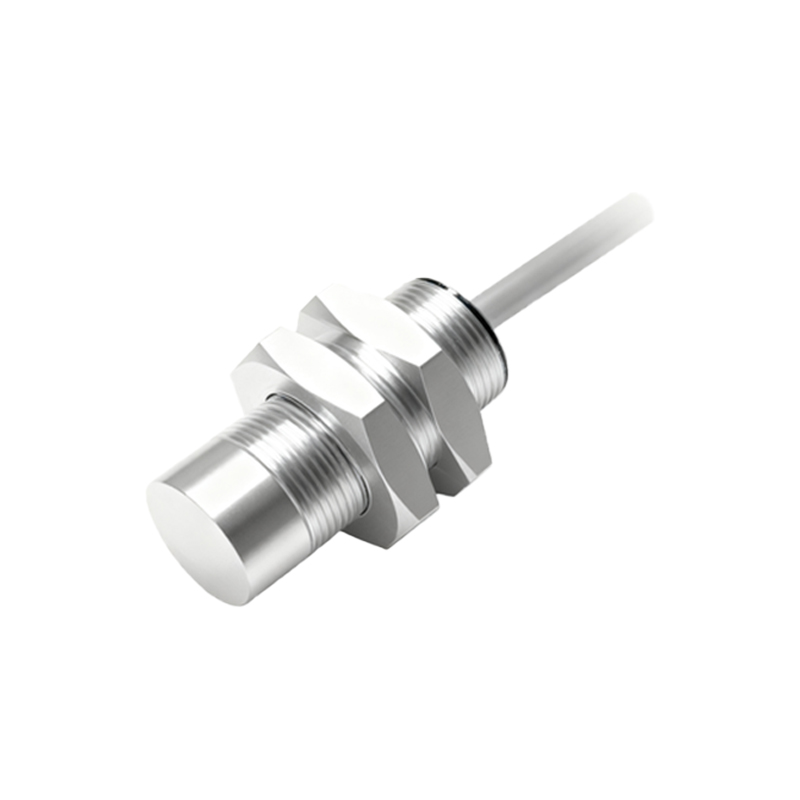
Proximity switch sensors in harvesters typically operate on inductive, capacitive, or magnetic principles, with inductive sensors being the most common due to their robustness in harsh environments. These sensors generate an electromagnetic field and detect changes caused by metallic objects, such as rotating shafts, blades, or moving parts within the harvester. When an object enters the sensing range, the sensor triggers a signal that can control various functions, including speed regulation, automatic steering, and component activation. For instance, in a combine harvester, proximity sensors monitor the position of the header to prevent collisions with obstacles or adjust cutting height based on crop density. This non-contact detection minimizes wear and tear, reducing maintenance costs and downtime during critical harvesting seasons.
The selection of harvester proximity sensors depends on factors like environmental conditions, material composition, and required sensing distance. Agricultural machinery operates in dusty, humid, and temperature-variable conditions, necessitating sensors with high ingress protection (IP) ratings, such as IP67 or IP69K, to withstand water, dirt, and vibrations. Additionally, sensors must be resistant to chemical exposure from fertilizers or pesticides. Modern designs incorporate stainless steel housings and sealed connectors to enhance durability. From an engineering perspective, integrating these sensors involves careful calibration to avoid false triggers from debris or electromagnetic interference, ensuring reliable performance across vast fields.
Applications of proximity switch sensors in harvesters extend beyond basic detection. They are integral to precision farming technologies, enabling real-time data collection for automated systems. For example, sensors can track the rotation of threshing drums or augers, providing feedback to control units that optimize grain flow and reduce waste. In safety mechanisms, proximity sensors act as emergency stops by detecting abnormal movements or blockages, preventing equipment damage and operator injury. The trend toward smart agriculture further leverages these sensors in IoT-enabled harvesters, where data from multiple sensors is analyzed to improve yield predictions and operational planning.
Benefits of incorporating high-quality proximity sensors include increased harvesting speed, reduced fuel consumption, and enhanced crop quality. By automating repetitive tasks, farmers can focus on strategic decisions, boosting overall productivity. However, challenges persist, such as the need for regular calibration and compatibility with older machinery. As an engineer, I recommend periodic testing and adherence to manufacturer guidelines to maximize sensor lifespan. Future developments may focus on wireless sensors and AI integration, allowing for predictive maintenance and adaptive control systems.
In conclusion, harvester proximity switch sensors are indispensable components that bridge mechanical operations with electronic control, driving efficiency in agriculture. Their ability to function reliably under demanding conditions makes them a cornerstone of modern harvesting equipment. For industry professionals, staying updated on sensor advancements is key to leveraging their full potential, ensuring sustainable and profitable farming practices.