This experimental report details a comprehensive performance evaluation of inductive, capacitive, and photoelectric proximity sensors under controlled laboratory conditions. The primary objective was to quantify key operational parameters—including sensing distance, repeatability, response time, and environmental interference susceptibility—to provide empirical data for optimal sensor selection in industrial automation applications.
The test setup involved a calibrated linear positioning system to precisely control the distance between the target object and the sensor face. Standardized test targets, per IEC 60947-5-2 specifications, were utilized: a 1mm thick, 50mm square mild steel plate for inductive sensors, a 50mm square grounded copper plate for capacitive sensors, and high-contrast white and black cards for diffuse-reflective photoelectric sensors. All sensors were powered by a stable 24V DC supply, and output signals were monitored using a digital oscilloscope and data acquisition system.
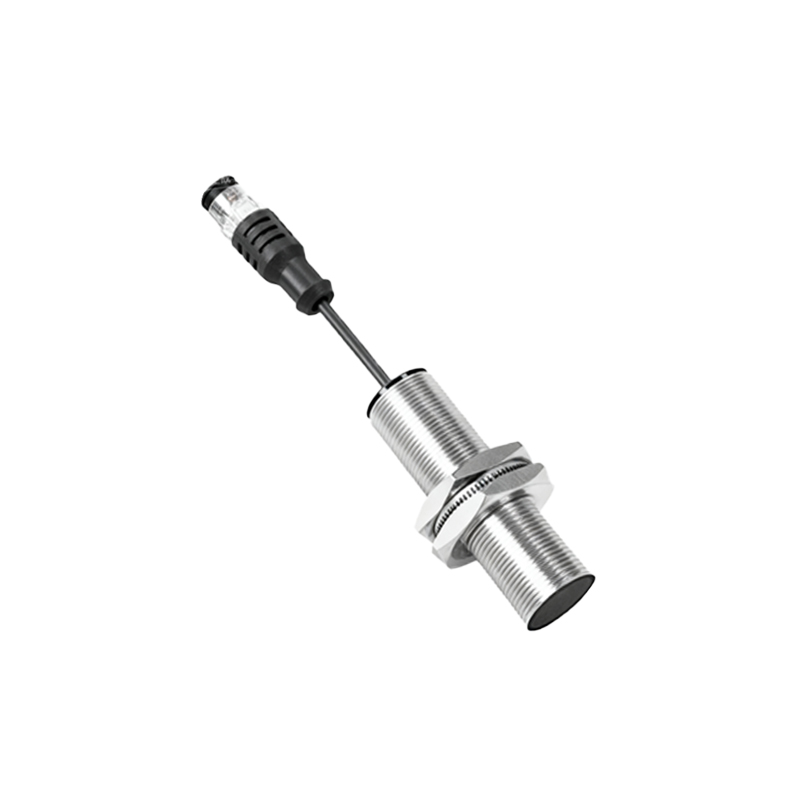
For inductive sensors, the experiment confirmed the nominal sensing distance (Sn) but revealed a significant reduction in effective range when testing with non-ferrous aluminum targets, approximately 40% of the rated Sn. The repeatability tests, conducted over 1000 actuations, showed exceptional consistency with a variance of less than ±0.5% of Sn. Response time measurements averaged 0.8ms, making them suitable for high-speed counting applications. However, performance degraded noticeably in the presence of strong alternating magnetic fields, a critical consideration for placement near motors or transformers.
Capacitive sensor testing focused on material detection and level sensing simulation. The sensors successfully detected non-metallic materials like plastic and glass, though the required sensing distance was reduced by roughly 60% compared to metallic targets. A key finding was the high sensitivity to environmental changes; fluctuations in ambient humidity by 30% caused a drift in the switching point of up to 15%. Shielding rings, when properly adjusted, effectively minimized the influence of adjacent non-target materials, improving application stability.
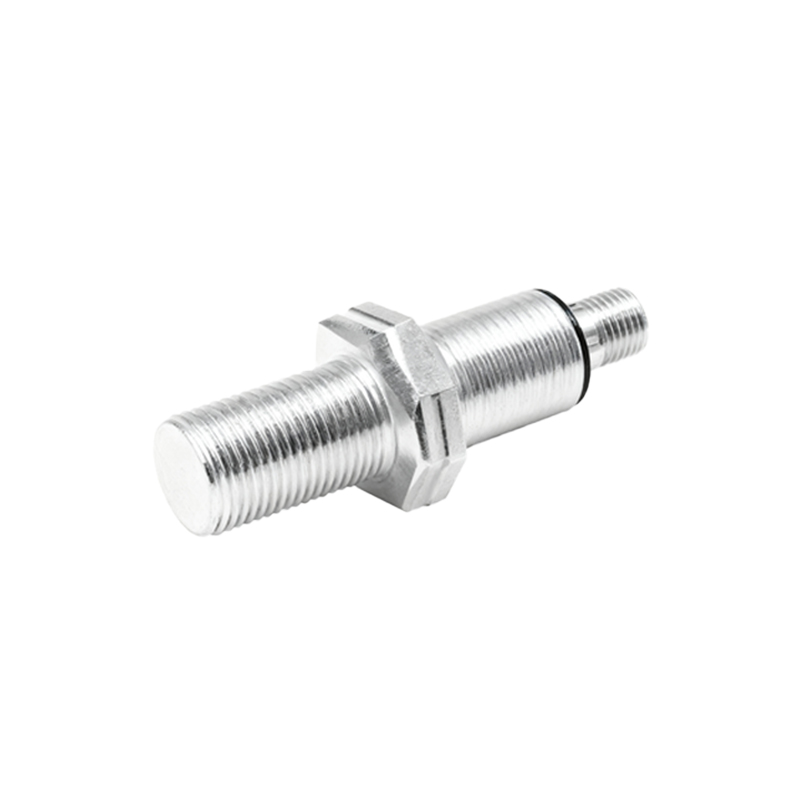
Photoelectric sensors (diffuse reflective type) demonstrated the longest effective range in the test, but this range was heavily dependent on target color and surface finish. The sensing distance for a matte white target was 150% of that for a glossy black target. Response times were marginally slower than inductive types, averaging 1.2ms. The most notable vulnerability was to ambient light interference; direct exposure to fluorescent lighting induced erratic switching, underscoring the necessity for models with modulated LED light sources or specialized filters in bright environments.
A comparative analysis was performed by installing all three sensor types in a simulated packaging line to detect cardboard boxes. The inductive sensor failed to detect the non-metallic boxes. The capacitive sensor triggered reliably but was prone to false triggers from moisture on the box surface. The photoelectric sensor provided the most reliable operation in this clean, dry scenario. This highlights the principle that there is no universal "best" sensor; selection is fundamentally dictated by the target material, required precision, and operating environment.
In conclusion, this experimental data validates theoretical principles and provides actionable insights. Inductive sensors offer robust, high-speed performance for metals but are material-specific. Capacitive sensors provide material versatility but require careful calibration for environmental stability. Photoelectric sensors offer long-range, non-contact detection but must be shielded from optical noise. Engineers are advised to derate nominal sensing distances by a safety factor of 0.6 to 0.8 for reliable real-world design, always considering the specific target and environmental conditions in the final application.