In the intricate world of industrial automation and control systems, the selection of a proximity sensor is a critical decision that directly impacts operational efficiency, safety, and long-term cost. However, an often-overlooked yet equally vital step is choosing the right proximity sensor company. This partnership extends far beyond a simple transaction; it is about securing a reliable source of technology, expertise, and support. For engineers, plant managers, and procurement specialists, navigating this choice requires a methodical approach focused on several key pillars.
First and foremost, technical capability and product portfolio breadth are non-negotiable. A reputable company should offer a comprehensive range of sensor technologies—including inductive, capacitive, ultrasonic, and photoelectric sensors—to address diverse applications. Whether you need a shielded inductive sensor for tight metal detection in a machining center or a high-temperature capacitive sensor for level control in a chemical process, the supplier must have the right product. Evaluate their expertise in specialized areas like analog output sensors, weld-field immune models, or sensors with IO-Link communication. The ability to provide detailed technical data sheets, 2D/3D CAD models, and application-specific selection guides is a strong indicator of technical depth and customer-centric design.
Beyond the product itself, the quality and manufacturing standards of the company are paramount. Inquire about their quality management certifications, such as ISO 9001. Sensors are deployed in harsh environments with exposure to vibration, moisture, extreme temperatures, and electromagnetic interference. A company with rigorous in-house testing protocols—like IP rating validation, EMC testing, and endurance cycles—demonstrates a commitment to reliability. Consistency in manufacturing ensures that the tenth sensor you install performs identically to the first, which is crucial for maintaining system predictability and reducing downtime.
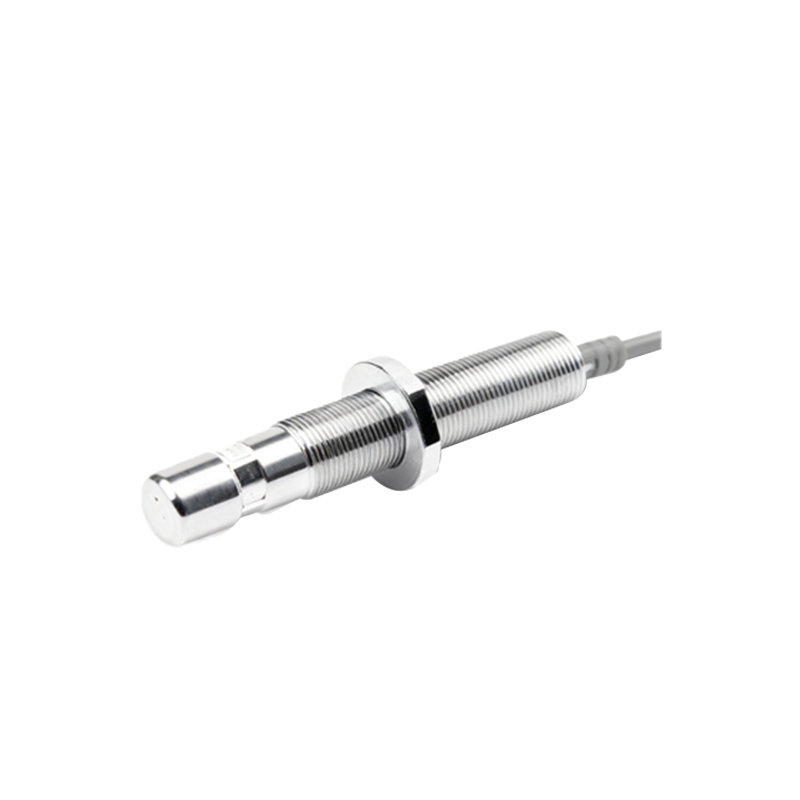
The third critical factor is application engineering support and technical service. The best companies distinguish themselves not just by what they sell, but by the knowledge they share. Can their application engineers help you solve a tricky mounting issue or select a sensor for a novel material? Do they offer pre-sales consultation and post-sales troubleshooting? Access to responsive, knowledgeable support can save countless hours of debugging and prevent costly installation errors. Look for companies that provide clear documentation, online configurators, and readily available contact channels for technical inquiries.
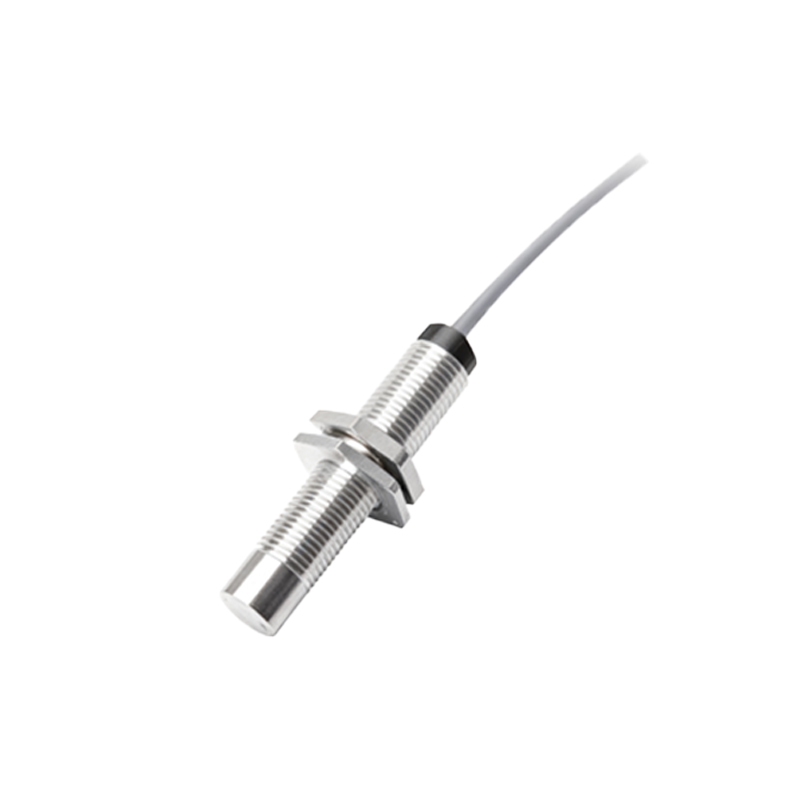
Another essential consideration is the global footprint and local logistics. For multinational operations, consistency in product supply and technical support across regions is vital. A company with a strong global distribution network and localized warehouses can significantly reduce lead times and simplify inventory management. Evaluate their supply chain resilience; a robust company should have contingency plans to mitigate disruptions, ensuring you receive components when you need them most. Local availability of replacement parts and sensors is a key factor in minimizing machine downtime.
Finally, assess the company's vision regarding innovation and digital integration. The Industrial Internet of Things (IIoT) is transforming sensor functionality. Forward-thinking companies are developing sensors with embedded diagnostics, predictive maintenance capabilities, and seamless integration into Industry 4.0 architectures. Choosing a partner that invests in R&D for smart sensor technologies future-proofs your investment and aligns your operations with evolving industrial trends.
Cost, while important, should be evaluated through the lens of Total Cost of Ownership (TCO). The initial purchase price is just one component. A slightly higher upfront cost from a premium supplier can be offset by longer sensor lifespan, higher mean time between failures (MTBF), reduced maintenance labor, and the invaluable benefit of uninterrupted production. A reliable company stands behind its products with strong warranties and a proven track record of durability in the field.
In conclusion, selecting a proximity sensor company is a strategic decision. It requires balancing technical excellence, proven quality, exceptional support, logistical competence, and innovative vision. By thoroughly vetting potential partners against these criteria, you secure more than just a component supplier; you gain a collaborative ally dedicated to enhancing the performance and intelligence of your automated systems. Invest time in this selection process, for the right partnership will yield dividends in reliability, efficiency, and peace of mind for years to come.