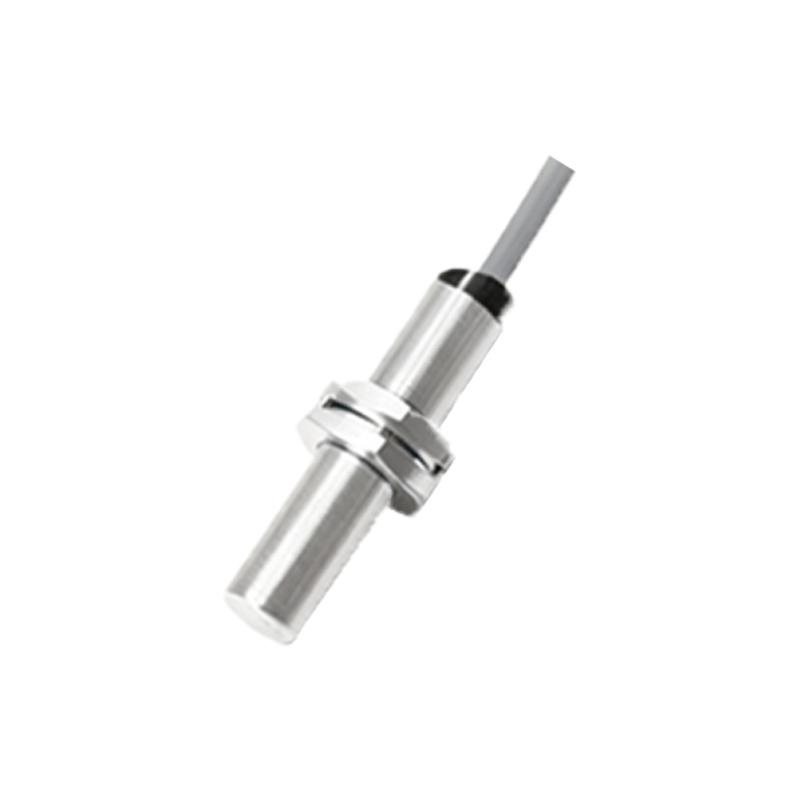
In the realm of industrial automation and machine control, the reliability and precision of sensing technology are paramount. Among the myriad of components that form the backbone of modern manufacturing lines, inductive proximity sensors stand out for their robustness and versatility. The GX-108MA model represents a specific and widely utilized example within this category, designed to meet stringent operational demands. This article delves into the technical specifications, operational principles, typical applications, and key considerations for integrating the GX-108MA into automated systems.
Inductive proximity sensors, including the GX-108MA, operate on the principle of electromagnetic induction. The sensor generates an oscillating electromagnetic field from its active face. When a metallic object, known as the target, enters this field, eddy currents are induced on the surface of the target. This causes a change in the oscillation amplitude within the sensor's internal LC tank circuit. The sensor's electronics detect this change and subsequently switch the output state. A critical feature of the GX-108MA is its ability to detect only metallic objects, typically ferrous metals like steel and iron, with high repeatability and without any physical contact. This non-contact operation eliminates mechanical wear, ensuring a long operational life even in harsh environments characterized by dust, oil, or coolant sprays.
The GX-108MA is commonly specified with an 8mm sensing distance. This nominal range is defined for a standard target, usually a square of mild steel (Fe360) with a side length equal to the sensor's diameter or three times the nominal sensing distance. It is crucial to note that the effective sensing distance can vary depending on the target material's properties, such as its conductivity and permeability. For instance, the sensing range for aluminum or copper will be less than that for mild steel. The sensor typically features a tubular, threaded metal housing (e.g., M12 or M18), facilitating easy installation into standard mounting fixtures. Its output is often configured as a DC 3-wire type, providing either a Normally Open (NO) or Normally Closed (NC) PNP or NPN transistor output, compatible with standard programmable logic controllers (PLCs) and other control systems. The housing is usually rated IP67 or higher, offering excellent protection against ingress of dust and temporary immersion in water.
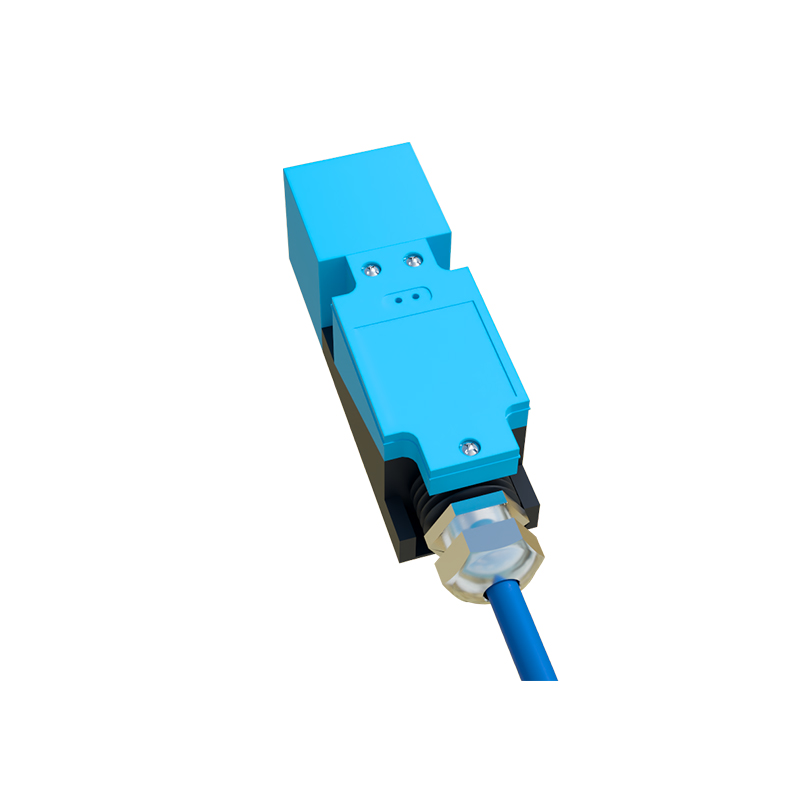
Application scenarios for the GX-108MA are extensive across factory floors. It is frequently employed for position detection, such as verifying the presence of a metal part on a conveyor, confirming the end-of-travel of a pneumatic cylinder by detecting its piston rod, or counting metallic objects passing a specific point. In machine tools, these sensors can be used for tool breakage detection or monitoring workpiece positioning. Their solid-state design makes them immune to vibration and suitable for high-speed counting operations where mechanical limit switches would fail prematurely. When installing the GX-108MA, several best practices must be observed. Mounting in metal requires careful attention to the manufacturer's specified flush-mounting or non-flush-mounting guidelines to avoid a reduction in the effective sensing range. Adequate clearance should be maintained between adjacent sensors to prevent mutual interference. Furthermore, proper wiring is essential; users must ensure correct connection of the brown wire (typically +V), blue wire (0V or common), and black wire (load/signal output) according to the datasheet, while also incorporating necessary protective circuits like flyback diodes for inductive loads.
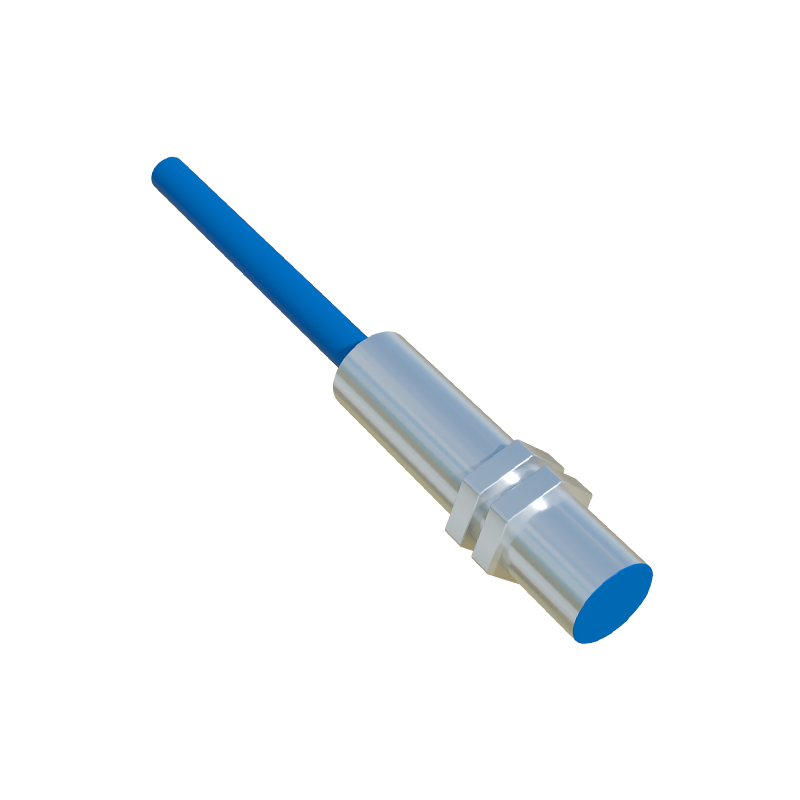
Troubleshooting common issues with the GX-108MA often involves a systematic approach. If the sensor fails to detect a target, verify the power supply voltage, check for the presence of metal chips or debris on the sensing face, and confirm that the target material and size are within specifications. An unstable output might indicate electrical noise interference, necessitating the use of shielded cables and ensuring proper grounding. Regular maintenance, though minimal, involves keeping the sensing face clean and periodically checking the mechanical integrity of the mounting and cable connections.
In conclusion, the GX-108MA inductive proximity sensor is a fundamental and highly reliable component in industrial automation. Its design prioritizes durability, precision, and ease of integration. By understanding its operating principles, respecting its technical specifications during installation, and following proper maintenance procedures, engineers and technicians can leverage the GX-108MA to enhance system reliability, improve safety, and optimize production efficiency. As automation continues to evolve, such sensors remain indispensable for enabling seamless and intelligent machine operation.