In industrial automation and process control, the demand for reliable sensing solutions capable of operating in extreme environments is paramount. High temperature proximity switch sensors are critical components in such settings, designed to detect the presence or absence of objects in harsh conditions where conventional sensors would fail. This article provides an in-depth look at the key suppliers in this niche market, the technological considerations, and best practices for procurement.
The primary challenge in high-temperature applications is maintaining sensor integrity and performance. Typical industrial environments, such as those in metal processing, glass manufacturing, automotive foundries, and aerospace sectors, often involve ambient temperatures exceeding 150°C, with some processes reaching 200°C or higher. Standard inductive, capacitive, or photoelectric proximity switches have operational limits, usually below 100°C. High-temperature variants are engineered with specialized materials, including heat-resistant housing (often stainless steel alloys or ceramics), high-temperature cables, and internal electronics rated for thermal endurance. Leading suppliers focus on robust designs that ensure stable switching characteristics, minimal drift, and long service life despite thermal cycling.
When evaluating suppliers, several factors distinguish top-tier manufacturers. First is technical expertise and product range. Companies like Turck, Pepperl+Fuchs, ifm electronic, Balluff, and Sick AG have established reputations for developing sensors specifically for extreme temperatures. Their portfolios often include inductive proximity sensors with operating temperatures up to 250°C, and in some specialized cases, even higher. These suppliers invest heavily in R&D to enhance thermal management, using techniques like potting compounds to protect sensitive components and designing for efficient heat dissipation.
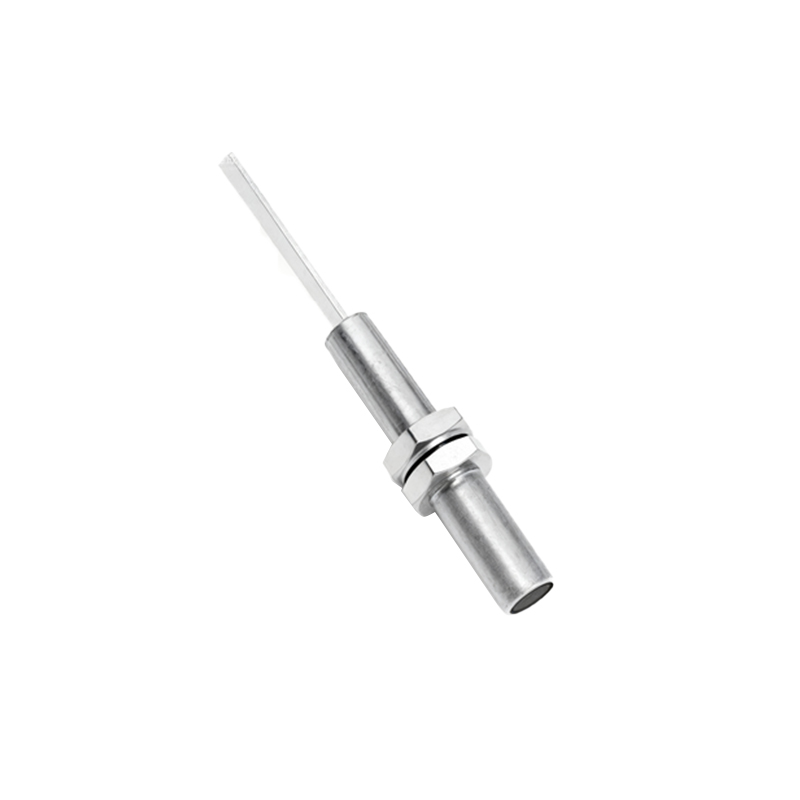
Second is certification and quality assurance. Reputable suppliers adhere to international standards such as IEC, ATEX for hazardous areas, and ISO 9001 for quality management. Their products undergo rigorous testing for thermal shock, vibration, and ingress protection (IP ratings). For industries like petrochemicals or food processing, additional certifications for chemical resistance or washdown capabilities are crucial.
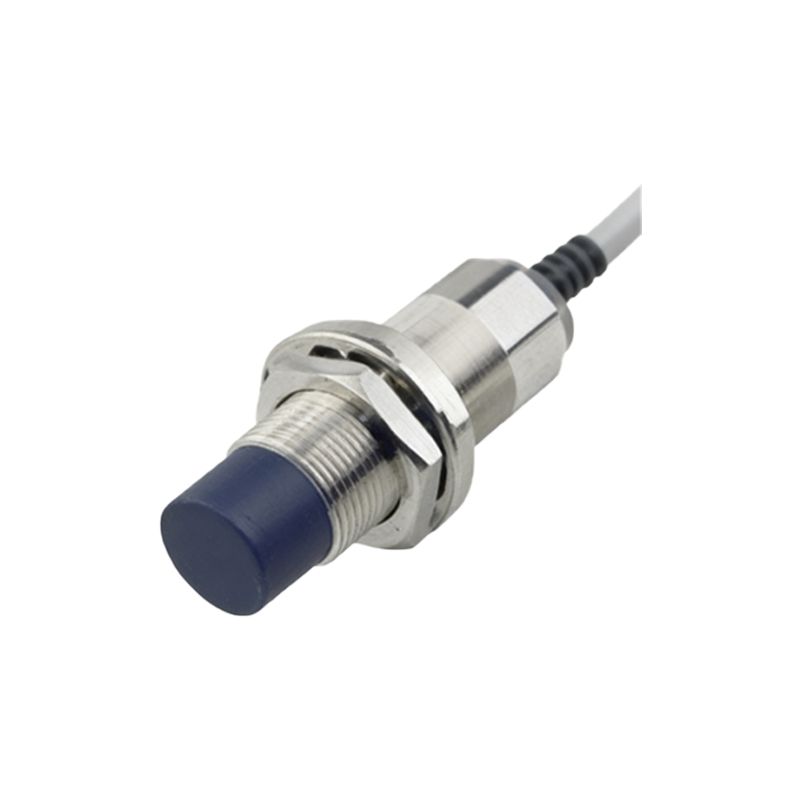
Third is application support and customization. The best suppliers offer extensive technical documentation, application engineering services, and the ability to provide custom solutions. This might involve modifying cable lengths, connector types, or housing shapes to fit specific machinery or spatial constraints in high-heat zones. A supplier’s global distribution network and after-sales service also play a vital role in minimizing downtime.
From a procurement perspective, selecting the right supplier involves a thorough needs analysis. Engineers must define the exact operating parameters: maximum ambient temperature, required sensing distance, target material (ferrous or non-ferrous metals), output type (PNP/NPN, analog, IO-Link), and electrical requirements. It is advisable to request samples for on-site testing under real conditions to validate performance. Cost considerations should balance initial price with total cost of ownership, factoring in durability, maintenance needs, and potential production losses from sensor failure.
Technological trends are shaping the market. The integration of Industry 4.0 features, such as IO-Link communication, allows these high-temperature sensors to provide diagnostic data—like temperature monitoring of the sensor itself or predictive maintenance alerts. This smart functionality adds value by enabling proactive system management. Additionally, advancements in materials science are pushing temperature limits further, with some suppliers exploring novel ceramics and composites.
In conclusion, sourcing high temperature proximity switch sensors requires a strategic approach. Partnering with established, innovative suppliers who offer proven reliability, comprehensive support, and adaptability to specific industrial challenges is essential. As automation expands into more severe environments, the role of these specialized sensors will only grow, making informed supplier selection a key component of operational success and safety.