In industrial automation and control systems, sensors and proximity switches are fundamental components that often get mentioned together, yet they serve distinct purposes and operate on different principles. Understanding the differences between them is crucial for engineers and technicians when designing, selecting, or troubleshooting systems.
A sensor is a broad term for any device that detects and responds to an input from the physical environment. The input could be light, heat, motion, moisture, pressure, or any other environmental phenomenon. The output is generally a signal that is converted into a human-readable display or transmitted for further processing. Sensors are versatile and can be analog or digital, providing continuous or discrete data. Common types include temperature sensors, photoelectric sensors, pressure sensors, and ultrasonic sensors. They are integral to data acquisition, monitoring, and feedback loops in complex systems like process control, environmental monitoring, and IoT applications.
On the other hand, a proximity switch is a specific type of sensor designed to detect the presence or absence of an object without physical contact. It operates as a switch, meaning it provides a binary output—typically "on" or "off"—based on whether a target is within a certain range. Proximity switches are often used for object detection, position sensing, and limit switching in machinery. They come in various technologies, such as inductive (for metallic objects), capacitive (for both metallic and non-metallic materials), and magnetic (using reed switches or Hall effect sensors). Their primary function is to trigger an action, like stopping a conveyor belt or counting parts, when an object is detected.
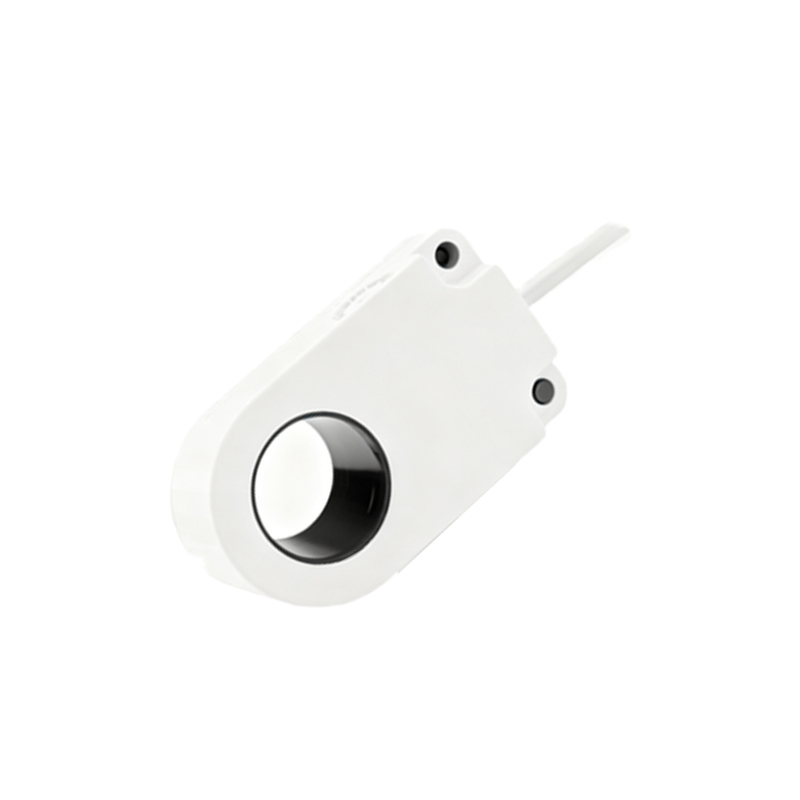
The key differences lie in their functionality and output. Sensors generally provide a range of information, which can be analog (e.g., a voltage proportional to temperature) or digital (e.g., a serial data stream). This allows for detailed analysis and control, such as adjusting a heater based on real-time temperature readings. In contrast, proximity switches offer a simple, discrete signal, making them ideal for safety interlocks, position verification, or automation sequences where only a yes/no decision is needed. For instance, a proximity switch might confirm a door is closed before enabling a machine cycle, while a sensor could measure the door's angle continuously.
Another distinction is in application scope. Sensors are used in diverse fields, from automotive (e.g., oxygen sensors in engines) to healthcare (e.g., heart rate monitors), where precise measurement is critical. Proximity switches are more specialized, commonly found in industrial settings like manufacturing lines, robotics, and material handling, where reliability and speed in detection are paramount. They are often built to withstand harsh environments, with robust housings and high switching frequencies.
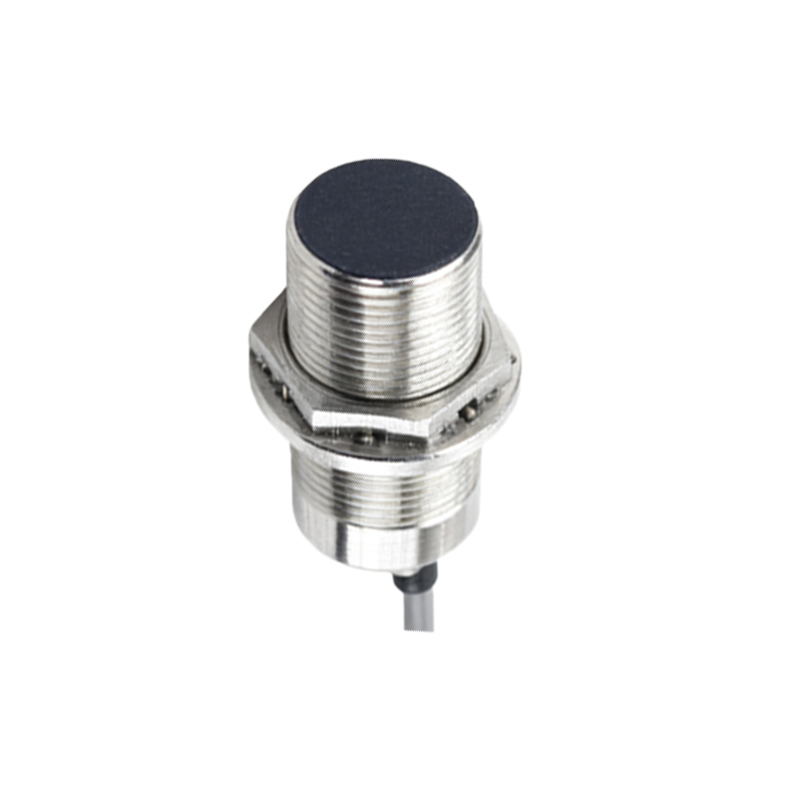
When selecting between a sensor and a proximity switch, consider the system requirements. If you need to monitor a variable continuously, such as liquid level or humidity, a sensor is appropriate. For tasks involving object detection with a simple trigger, like part presence on an assembly line, a proximity switch is more efficient and cost-effective. In some cases, they complement each other; for example, a sensor might measure a tank's fill level, while a proximity switch ensures a lid is securely in place before filling begins.
In summary, while all proximity switches are sensors, not all sensors are proximity switches. Sensors encompass a wide range of devices for measuring various parameters, offering detailed outputs for control and analysis. Proximity switches are a subset focused on non-contact detection with binary outputs, optimized for automation and safety. By grasping these differences, professionals can enhance system performance, reduce errors, and ensure optimal component selection in electrical and industrial engineering projects.