In the seamless operation of countless modern devices, a small, often unnoticed component plays a pivotal role: the proximity sensor. This technology, designed to detect the presence or absence of nearby objects without physical contact, has evolved from a niche industrial tool into a cornerstone of user experience and automation. Its applications now span across industries, fundamentally changing how we interact with machines and how machines perceive their environment.
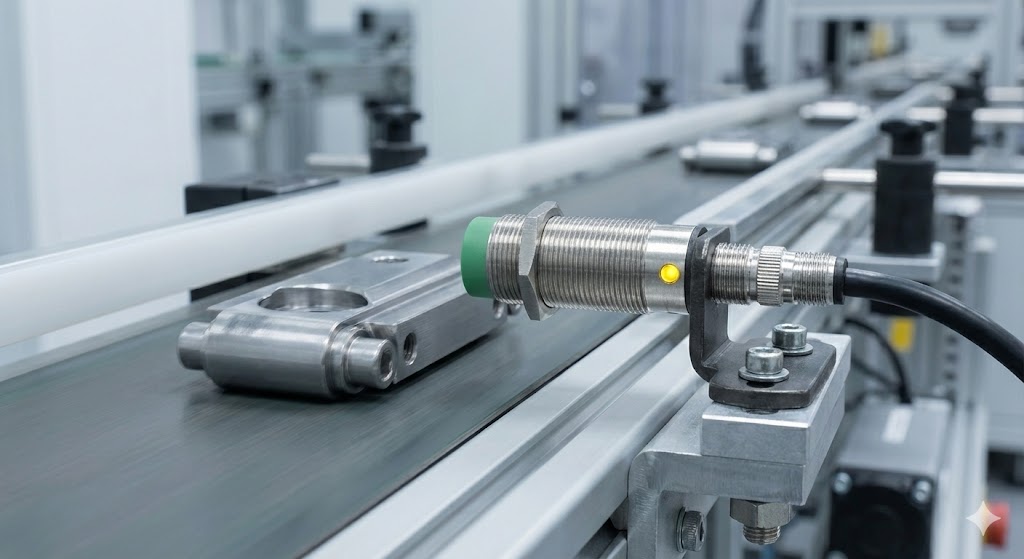
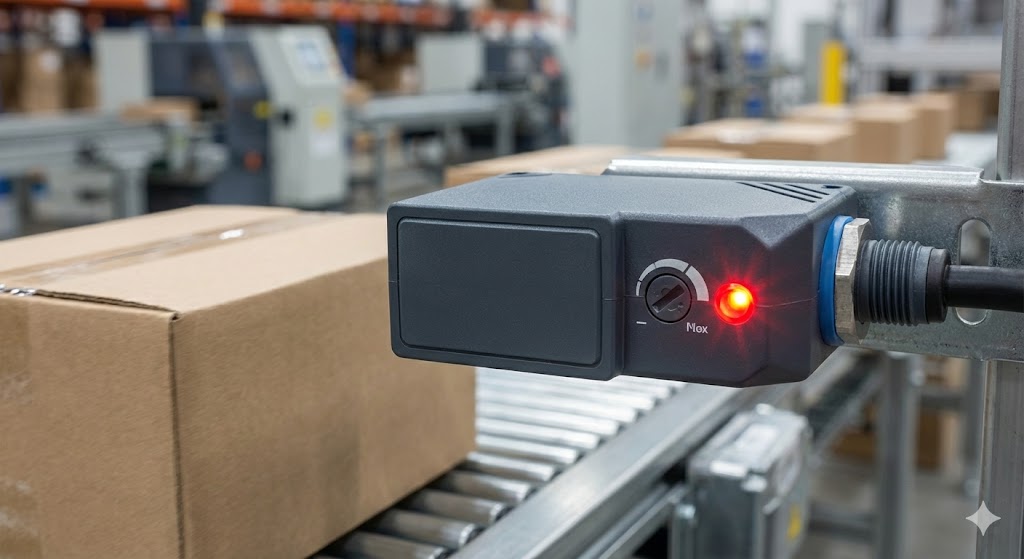
The core principle behind most proximity sensors involves emitting an electromagnetic field or a beam of radiation, such as infrared light, and then looking for changes in the field or return signal. The most common types include inductive sensors for detecting metallic objects, capacitive sensors for both metallic and non-metallic materials, and photoelectric sensors using light beams. Each type is engineered for specific environments and materials, offering a versatile toolkit for engineers.
One of the most ubiquitous applications is in the smartphone industry. Here, the proximity sensor, typically an infrared LED and receiver, is a key facilitator of intuitive interaction. During a phone call, when the device is held close to the ear, the sensor detects this proximity and automatically turns off the touchscreen display. This simple action prevents accidental cheek-taps from hanging up the call or activating other functions, while also conserving battery life. Beyond calls, these sensors enable features like automatic screen wake-up when a user picks up the phone or "raise to wake" functionalities.
The automotive sector has integrated proximity sensing at multiple levels, significantly enhancing safety and convenience. Modern vehicles are equipped with ultrasonic or electromagnetic sensors to create Parking Assistance Systems. These systems provide audible or visual feedback, alerting drivers to obstacles in their path while maneuvering in tight spaces, effectively reducing the risk of low-speed collisions. On a larger scale, Adaptive Cruise Control (ACC) uses radar-based proximity sensors to maintain a safe following distance from the vehicle ahead, automatically adjusting speed in response to traffic flow. Furthermore, hands-free trunk opening systems use sensors to detect a foot gesture under the rear bumper, allowing easy access when one's hands are full.
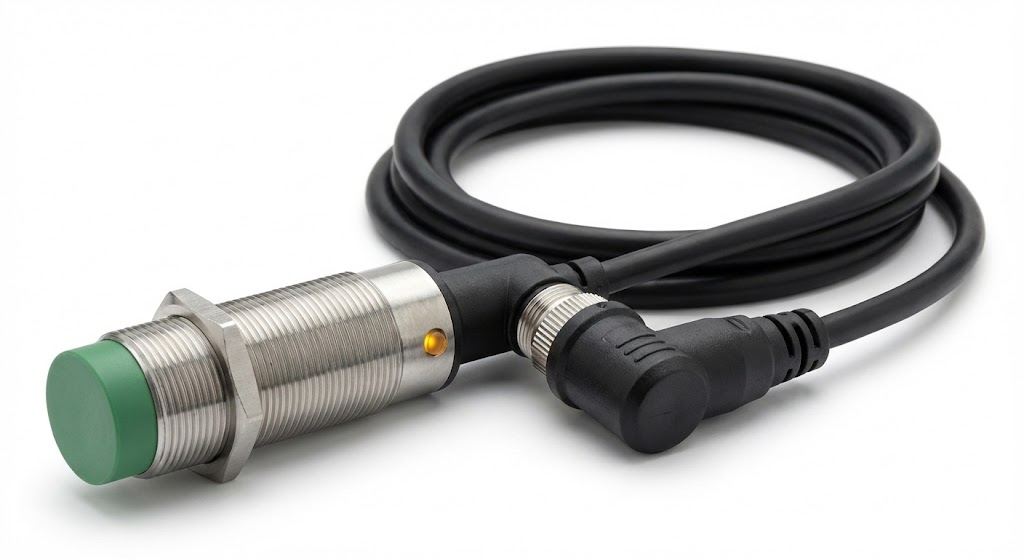
In industrial automation and manufacturing, proximity sensors are indispensable for efficiency, safety, and precision. They are deployed on assembly lines for object detection, counting, and positioning. An inductive sensor can confirm a metal part is in the correct place before a robotic arm performs a weld. Capacitive sensors can detect the level of liquid inside a non-metallic tank. Crucially, these sensors provide non-contact monitoring in harsh environments with dust, moisture, or extreme temperatures, where mechanical switches would fail. They also form a critical part of safety systems, acting as guards on machinery to halt operation if a worker gets too close to a dangerous area.
Consumer electronics and home appliances continue to find innovative uses for this technology. Many modern laptops use a proximity sensor to detect when a user is present, allowing the device to wake from sleep mode automatically and lock when the user walks away, enhancing both convenience and security. In smart homes, sensor-equipped faucets and soap dispensers in bathrooms promote hygiene by enabling touch-free operation. Robot vacuum cleaners rely on a suite of proximity and obstacle-detection sensors to navigate around furniture and avoid falling down stairs, creating efficient cleaning paths.
The realm of retail and public facilities also benefits. Automatic doors are perhaps the oldest and most recognized application, using motion or presence detection to open. Interactive digital kiosks and displays can use proximity sensing to activate or change content when a person approaches, creating engaging advertisements or wayfinding systems without the need for touch, which is particularly valuable in post-pandemic environments focused on hygiene.
Looking ahead, the integration of proximity sensors is deepening with the rise of the Internet of Things (IoT) and smart cities. They will play a role in smart lighting systems that illuminate pathways only when pedestrians are detected, conserving energy. In asset management, sensors can track inventory levels or monitor the occupancy of parking spaces in real-time, transmitting data to central management systems.
Despite their small size and simplicity, proximity sensors are a powerful enabling technology. They provide the fundamental sense of "touchless touch" that makes our devices smarter, our vehicles safer, our factories more productive, and our daily interactions more fluid. As technology advances towards greater autonomy and context-awareness, the humble proximity sensor will undoubtedly remain a critical sensory organ in the electronic ecosystem, continuously expanding its field of application.