Passive proximity switch sensors are fundamental components in modern industrial automation systems, offering reliable object detection without physical contact. Unlike active sensors that emit a signal, passive sensors operate by detecting changes in an existing field or energy, typically magnetic or capacitive in nature. This inherent simplicity grants them distinct advantages in harsh environments where durability and low maintenance are paramount.
The core principle behind magnetic passive proximity switches involves a reed switch mechanism. A hermetically sealed glass tube contains two ferromagnetic reeds with contacts. When a permanent magnet or an actuator with an embedded magnet approaches within the specified sensing range, the magnetic field causes the reeds to attract, closing the electrical contact. Upon the magnet's retreat, the reeds spring back, opening the circuit. This binary operation provides a clear signal for presence or absence. These sensors are exceptionally robust, immune to dust, oil, moisture, and can function in explosive atmospheres as they generate no spark. Common applications include detecting cylinder piston position, door open/close status, and safety guard positioning.
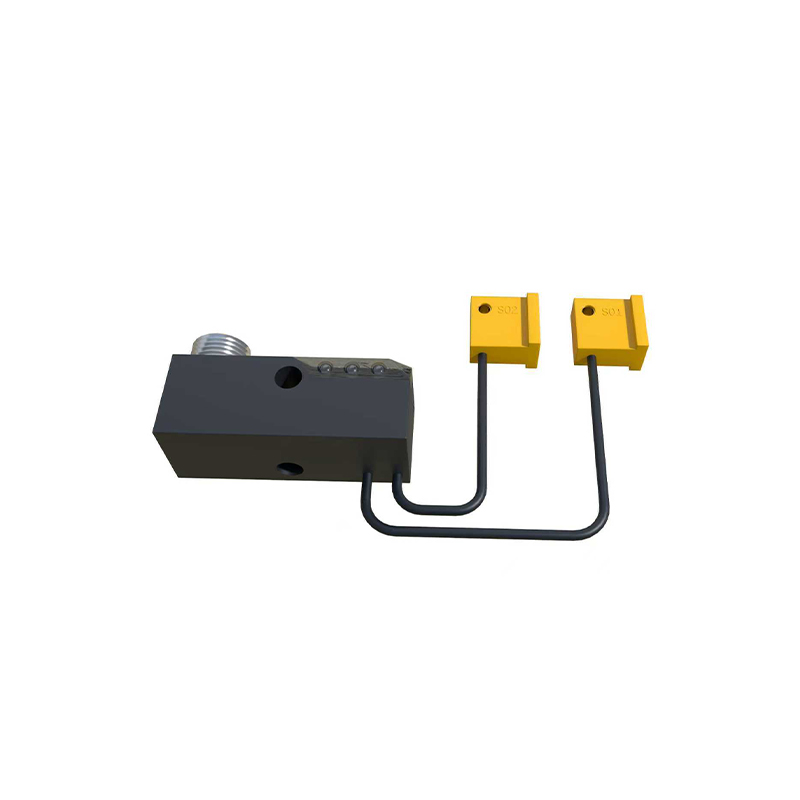
Capacitive passive sensors, while less common for simple proximity, function by detecting changes in capacitance. The sensor and the target act as two plates of a capacitor. As a conductive or dielectric target approaches, it alters the local electrostatic field, changing the capacitance. An internal circuit monitors this change and triggers a switch when a threshold is crossed. These can detect non-metallic materials like plastics, wood, or liquids through non-metallic container walls, making them versatile for level detection and material handling.
The key advantages of passive proximity sensors are their exceptional reliability and longevity. With no active electronic components to generate a signal, they are less prone to failure from electrical noise, voltage transients, or component aging. They require no external power supply for their core switching function, though some variants may include powered circuitry for signal conditioning or LED indication. Their operation is straightforward, making system integration and troubleshooting simpler.
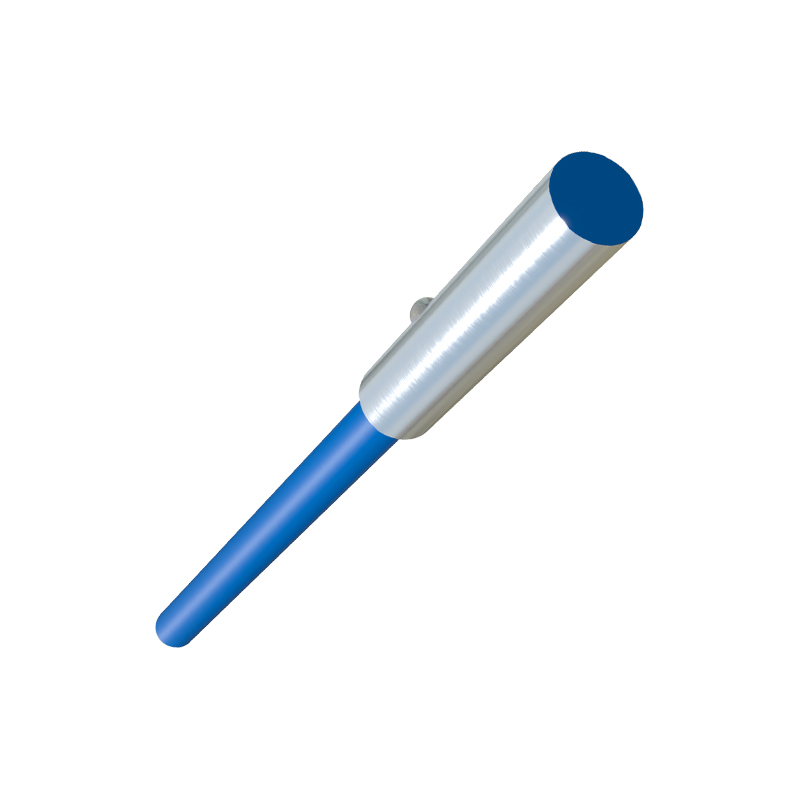
However, their limitations are defined by their working principle. The sensing range for magnetic types is relatively short, typically a few millimeters to tens of millimeters, and is precisely dependent on the strength and orientation of the actuator magnet. The switch point may also be influenced by external magnetic fields. For capacitive types, sensitivity can be affected by environmental factors like humidity or contamination on the sensor face. They also provide only a basic on/off signal, lacking the analog distance information available from some active sensors like inductive or ultrasonic types.
Selection criteria for passive proximity switches involve several factors. First, identify the target material: magnetic sensors require a permanent magnet actuator, while capacitive sensors need a material that alters the local dielectric constant. The required sensing distance and repeatability are critical. Environmental conditions dictate the housing material—typically stainless steel or nickel-plated brass—and the required Ingress Protection (IP) rating for resistance to water and dust. Electrical specifications include the switch type (normally open or closed), voltage/current ratings, and the required wiring configuration (2-wire, 3-wire).
Installation and maintenance are generally straightforward. Proper alignment between the sensor and the actuator magnet is crucial for magnetic types to ensure reliable operation. Adequate clearance from ferrous metals is necessary to prevent shielding or unintended attraction. For capacitive sensors, a stable mounting and a clean sensing surface are essential. Maintenance primarily involves periodic checks for physical damage, corrosion, or buildup of material that could affect performance.
In conclusion, passive proximity switch sensors remain indispensable in industrial control for their robustness, safety, and simplicity. They excel in applications demanding absolute reliability under tough conditions, from machine tools and packaging machinery to hazardous area monitoring. While active sensors offer longer ranges and more data, the passive sensor's elegance lies in its direct, field-operated switching—a testament to the enduring value of simple, physics-based solutions in complex automated systems. Engineers continue to specify them for core safety and positional feedback tasks where failure is not an option.