In the realm of industrial automation and smart systems, high-precision proximity sensors stand as critical components, enabling accurate detection, positioning, and control without physical contact. The production of these sophisticated devices demands a meticulous engineering approach, blending advanced materials science, electronic design, and stringent quality assurance. This article delves into the key stages and technological innovations driving the manufacturing of high-accuracy proximity sensors, highlighting industry best practices and emerging trends.
The journey begins with sensor design, where engineers leverage simulation software to model electromagnetic, capacitive, or inductive sensing principles. For inductive proximity sensors, commonly used in metal detection, the coil geometry and oscillator circuit are optimized to achieve a precise sensing range and minimal hysteresis. Material selection is paramount: ferrite cores, copper windings, and robust housing materials like PBT or stainless steel are chosen for their thermal stability, durability, and electromagnetic properties. In capacitive variants for non-metallic object detection, electrode design and shielding techniques are refined to mitigate environmental interference, ensuring consistent performance in humid or dusty conditions.
Production commences with PCB assembly, where surface-mount technology (SMT) places micro-components such as ASICs, oscillators, and signal conditioners with micron-level accuracy. Automated optical inspection (AOI) systems verify solder joint integrity and component alignment, preventing defects that could compromise sensor sensitivity. The sensing element—whether a wound coil or capacitive plate—is then integrated, often using automated winding machines for coils to maintain consistent turns and inductance values. Encapsulation follows, with epoxy resins or silicone gels protecting internal electronics from moisture, vibration, and chemical exposure, while laser marking adds traceability codes for quality tracking.
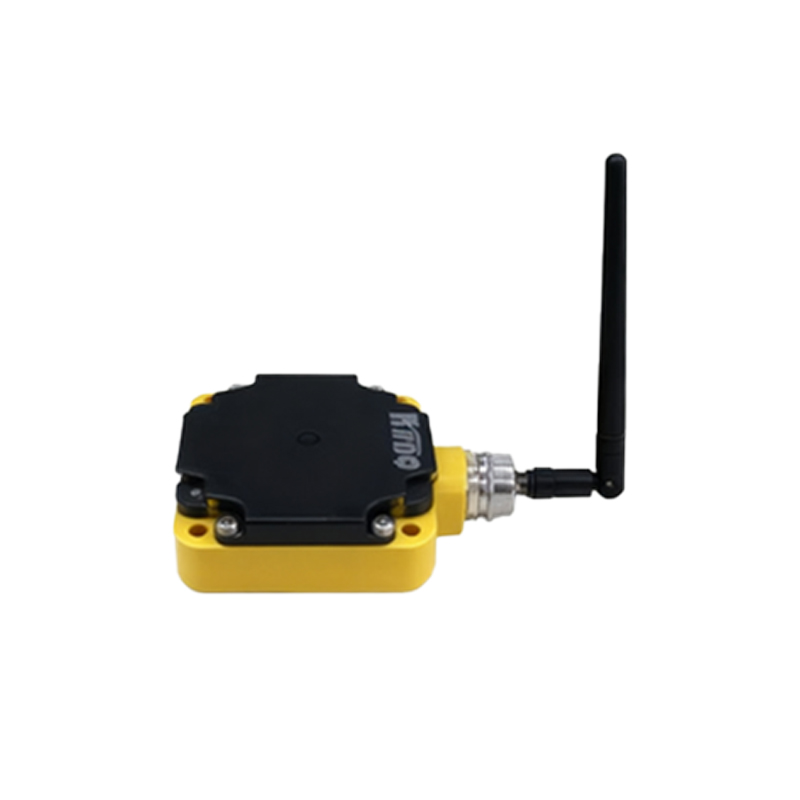
Calibration and testing form the cornerstone of precision manufacturing. Each sensor undergoes rigorous bench testing in controlled environments, where parameters like switching distance, repeatability, and temperature drift are measured against ISO 9001 and IEC 60947-5-2 standards. Advanced test rigs simulate real-world scenarios, such as varying target materials or electromagnetic noise, to validate immunity to interference. Data from these tests feed into statistical process control (SPC) systems, enabling real-time adjustments in production lines to maintain tolerances within ±1% of nominal values. For high-end applications in robotics or aerospace, sensors may undergo additional lifecycle testing, including shock, vibration, and extended thermal cycling, to guarantee reliability over millions of operating cycles.
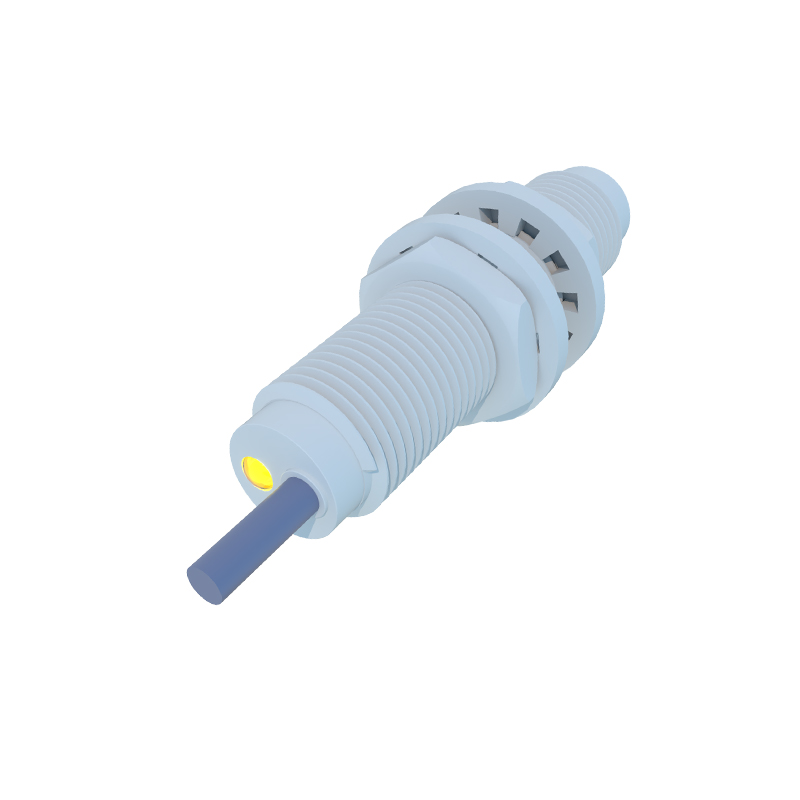
Innovations are reshaping the landscape. Miniaturization trends, driven by MEMS technology, allow for sub-millimeter sensors in wearable devices and medical equipment. Smart sensors with IO-Link or Ethernet-APL connectivity integrate self-diagnostic features, transmitting data on wear or calibration drift to predictive maintenance systems. Sustainable manufacturing also gains traction, with lead-free soldering and recyclable housing materials reducing environmental impact. Looking ahead, the integration of AI algorithms for adaptive sensing and the use of gallium nitride (GaN) semiconductors for higher-frequency operation promise to elevate precision further, enabling sensors to detect micron-level displacements or differentiate material compositions in real time.
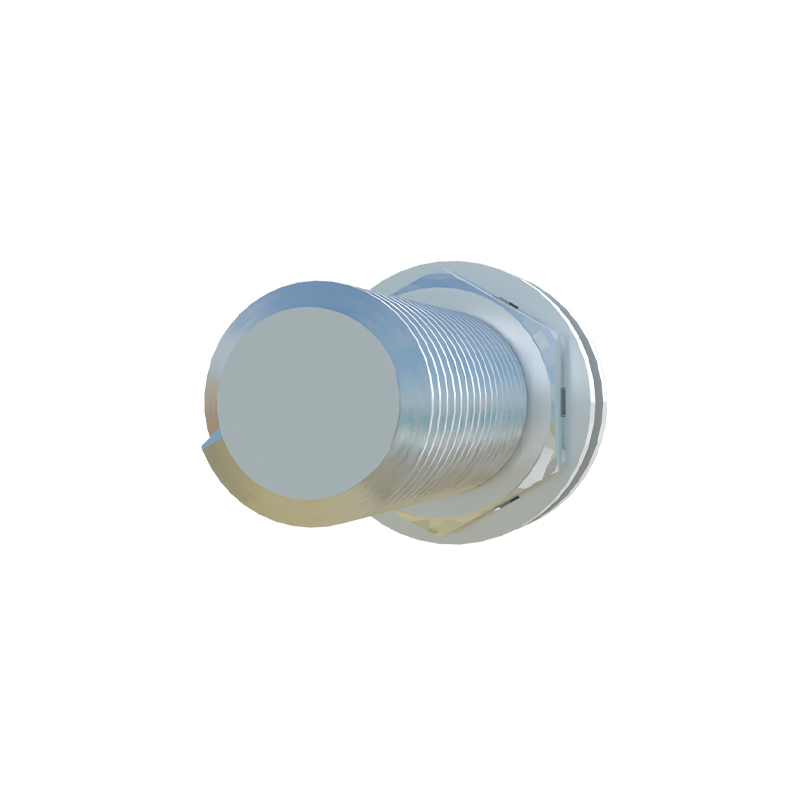
Ultimately, producing high-precision proximity sensors is a symphony of engineering disciplines—from electromagnetic theory to automated assembly—all aimed at delivering reliability in demanding industrial ecosystems. As Industry 4.0 accelerates, these sensors will continue to evolve, underpinning safer, more efficient automation across manufacturing, automotive, and beyond.