Laser distance sensors, also known as laser rangefinders or LiDAR (Light Detection and Ranging) sensors in specific configurations, represent a cornerstone technology in modern industrial automation, robotics, and precision measurement. Their core principle is elegantly simple yet powerful: they emit a focused beam of laser light toward a target object and measure the time it takes for the reflected light to return to the sensor's receiver. This time-of-flight (ToF) measurement, when multiplied by the speed of light, provides an extremely accurate calculation of the distance. Alternative phase-shift measurement methods analyze the modulation phase difference between emitted and received signals, offering high precision over shorter ranges.
The operational advantages of these sensors are numerous. They deliver non-contact measurement, eliminating mechanical wear and preventing damage to delicate surfaces. Capable of sub-millimeter accuracy and high repeatability, they perform reliably in challenging environments with dust, vibration, or variable ambient light, thanks to advanced filtering algorithms and the coherent nature of laser light. Their response time is exceptionally fast, enabling real-time process control in high-speed applications like assembly line inspection or robotic guidance.
Industrial applications are vast and critical. In logistics and warehousing, they are integral to automated storage and retrieval systems (AS/RS) for pallet positioning and inventory profiling. In manufacturing, they control fill levels in silos, monitor material thickness in rolling mills, and ensure precise positioning in CNC machining and robotic welding cells. The automotive industry relies on them for wheel alignment, gap and flush measurement on assembly lines, and as a key component in autonomous vehicle navigation systems. Furthermore, they are indispensable in construction for terrain mapping, volume calculation, and alignment, and in agriculture for guidance and yield monitoring.
Selecting the appropriate laser distance sensor requires careful consideration of several technical parameters. The *measuring range* must suit the application, from a few centimeters to several hundred meters. *Accuracy* and *repeatability* specifications, often differing, dictate the reliability of the measurement. The *laser class* (typically Class 1 or 2 for eye safety) is a mandatory compliance factor. The *measurement rate* or frequency determines suitability for dynamic processes. Environmental factors like operating temperature, ingress protection (IP rating), and resistance to electrical noise must align with the installation site. Finally, the output interface (analog 4-20mA/0-10V, digital RS-232/RS-485, Ethernet, or fieldbus protocols like PROFINET) must be compatible with the existing control system.
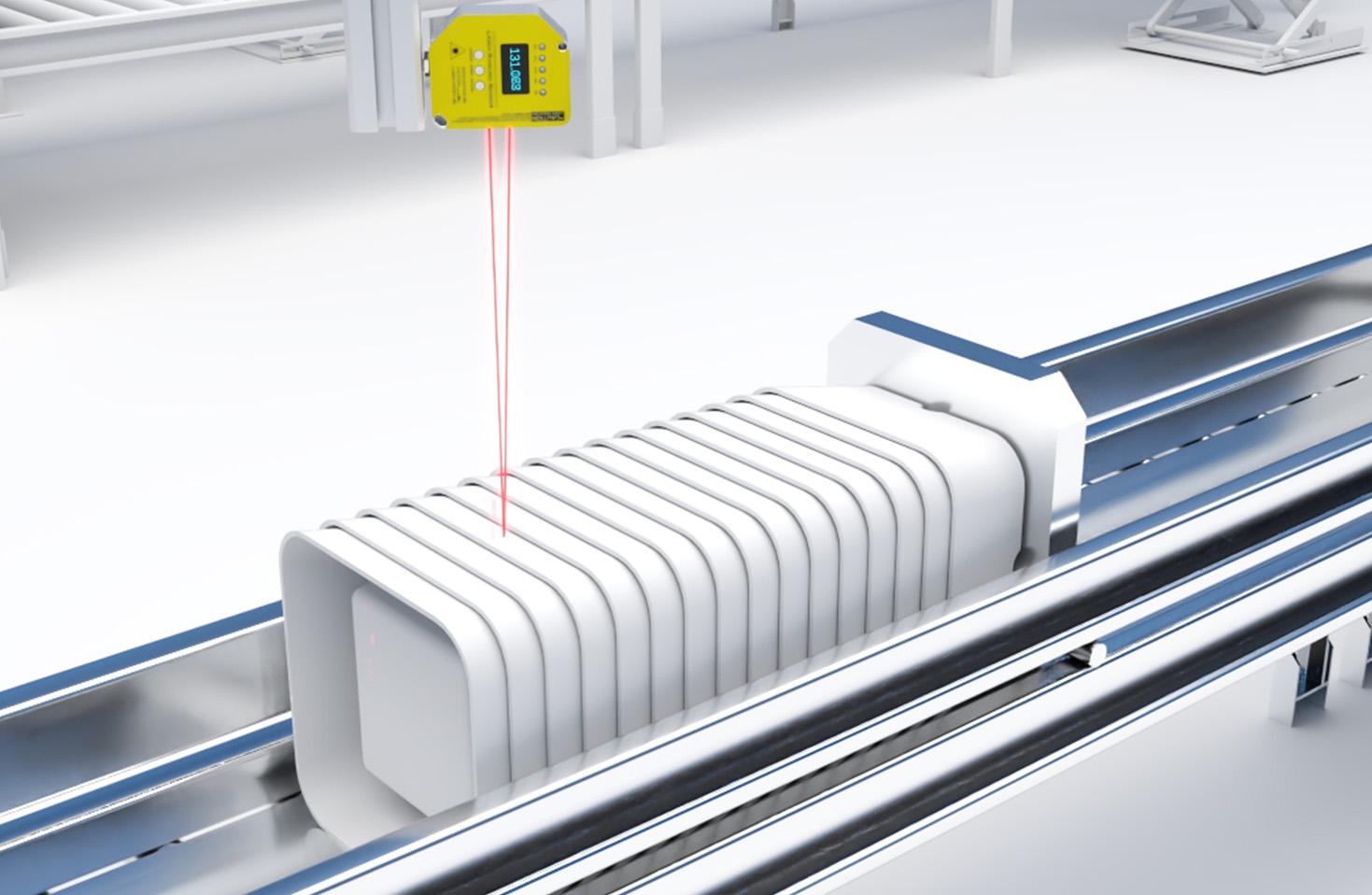
Installation and maintenance are straightforward but crucial for optimal performance. The sensor should be mounted securely to minimize vibration. The laser beam must have a clear, unobstructed path to the target; reflective or absorbent surfaces may require calibration or the use of a reflector. Regular lens cleaning ensures signal integrity. While lasers are robust, performance can be affected by extreme environmental conditions like heavy fog or direct, intense sunlight on the receiver.
Looking ahead, the evolution of laser distance sensing is geared towards even greater miniaturization, lower power consumption, and enhanced intelligence. The integration of sensor data with Industrial Internet of Things (IIoT) platforms facilitates predictive maintenance and big data analytics. Furthermore, the development of solid-state LiDAR and frequency-modulated continuous wave (FMCW) technology promises higher resolution, better performance in multi-sensor environments, and increased robustness for the next generation of autonomous systems.
In conclusion, laser distance sensors are a transformative technology enabling unprecedented levels of automation, quality control, and efficiency. A thorough understanding of their operating principles, coupled with a methodical approach to selection based on application-specific needs, allows engineers and system integrators to fully leverage their capabilities, driving innovation and precision across countless industrial sectors.
